
Period: February 1 , 2025 – September 30, 2025
CONNECT – Cooperative Networks for Cross-Border Engagement, Climate Adaptation, and Territorial Resilience is a pilot initiative dedicated to strengthening climate resilience and crisis management capacity in the cross-border area of Gorizia, Nova Gorica, and Šempeter-Vrtojba. The project addresses risks associated with environmental disasters and extreme events linked to climate change by promoting a coordinated response among stakeholders operating on both sides of the border.
The initiative involves institutions, emergency services, civil protection agencies, the healthcare sector, associations, and other local stakeholders through context analysis, participation, and co-creation. The experiences, knowledge, and needs gathered throughout the process contribute to the development of shared strategies and protocols for managing cross-border climate and environmental crises.
Objectives and Activities
CONNECT has worked to develop a common framework for strengthening regional and community resilience by combining an understanding of the local context with the direct involvement of stakeholders. Specifically, the project included:
- an analysis of the territory, social vulnerabilities, and key stakeholders in crisis management;
- the involvement of local organizations in a co-creation process, through workshops and opportunities for discussion;
- the development and sharing of resilience strategies and operational protocols for managing crises with potential cross-border effects;
- training, awareness-raising, and knowledge-sharing activities;
- the development of tools to strengthen cross-border cooperation over the long term.
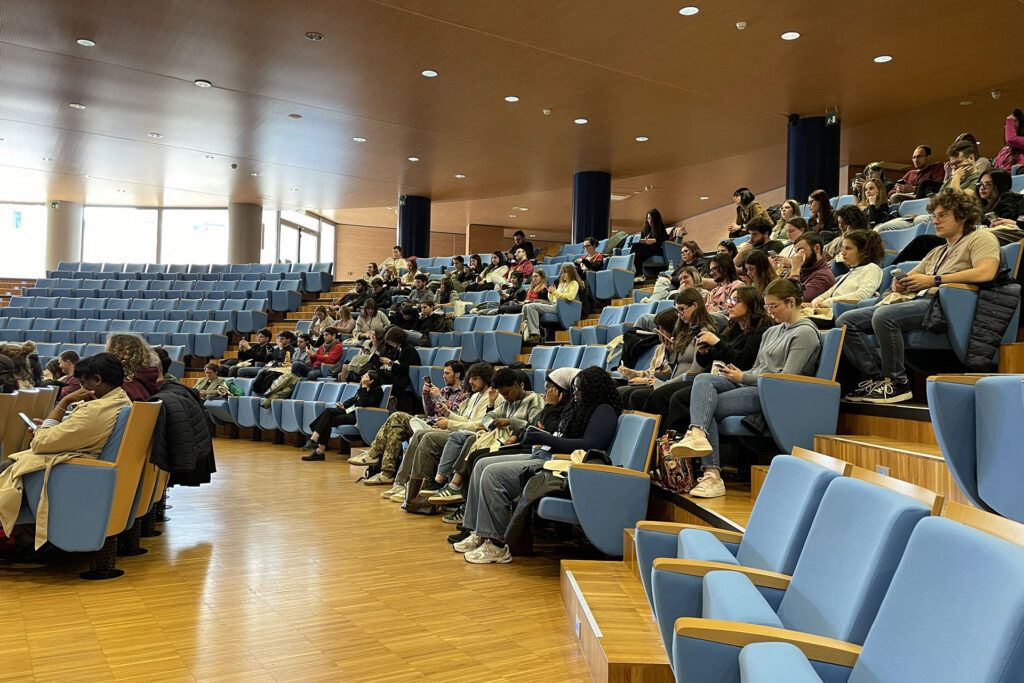
The participatory process consisted of three workshops, held between May and September 2025, during which Italian and Slovenian participants shared their experiences, challenges, resources, and needs. The input gathered progressively contributed to the development of the joint strategy and operational tools.
Results and Tools
The process led to the systematization of the knowledge and needs expressed by the stakeholders and to the definition of a shared strategic framework to strengthen the resilience of the cross-border area. The work focused on developing resilience strategies, operational protocols, and cooperation tools designed to facilitate coordination between Italian and Slovenian organizations in the prevention and management of climate and environmental crises.
The role of ISIG
On behalf of the GO EGTC, ISIG oversaw the methodological and participatory process to support the development of strategies and tools for territorial resilience. The work included an analysis of the context and stakeholders, with a particular focus on social vulnerabilities and the entities involved in emergency prevention and management.
A central part of the project involved the design and facilitation of co-creation workshops. Through dialogue among institutions, emergency services, organizations, and other local entities, needs, experiences, and knowledge useful for developing common strategies were gathered and subsequently analyzed. The contributions that emerged during the meetings were organized and refined to support the development of operational tools tailored to the characteristics of the cross-border area.
The project also focused on the development of resilience strategies and related cooperation tools, as well as awareness-raising, monitoring, and evaluation activities, and the dissemination of the project’s results.
Links
Official project website: GECT GO / EZTS GO – CONNECT
Project page: Resilient Borders – Cross-Border Spatial Planning & Crisis Management