Funding Body: European Union
Funding Program: Horizon Europe – Framework Program for Research and Innovation
Period: 2026–2029
Coordinator: Foundation for Research and Technology-Hellas – FORTH
Partners: SINTEF; Norwegian Meteorological Institute; Poznan Supercomputing and Networking Center; National Observatory of Athens; Centro Tecnológico Naval y del Mar; Institute of Oceanology – Bulgarian Academy of Sciences; National Research Council; Netcompany; Thales/CortAIxLabs; Thales Alenia Space; Bulgarian Ports Infrastructure Company; ERATOSTHENES Center of Excellence; Meteorological & Environmental Earth Observation; Neuralio; MIO-ECSDE; Marine Cluster Bulgaria; Regional Ministry of Sustainability and Environment; Hvaler Municipality; ISIG
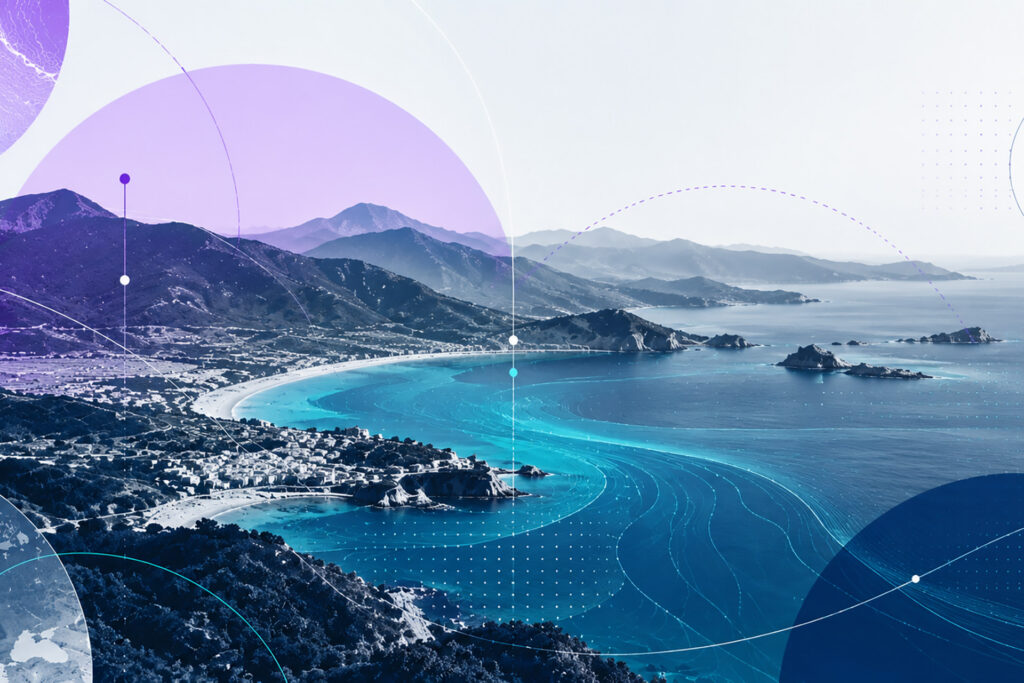
AETHERIA – Generative AI and Surrogate Digital Twins for Human-centric Coastal & Earth Systems Resilience & Impact Assessments is developing an interoperable platform based on generative artificial intelligence and digital twins of the Earth and the ocean.
The project aims to make climate and coastal impact assessments more accessible, understandable, and usable by public decision-makers, environmental authorities, civil protection agencies, ports, and the general public. The platform integrates real-time data, simulations, and decision-support tools, with a particular focus on the explainability of the technologies and the needs of the people who will be using them.
Goals and Activities
AETHERIA combines scientific knowledge, digital infrastructure, and co-creation processes to improve the ability to assess and address risks related to climate change and coastal systems.
The main activities include:
- the integration of real-time environmental data and Earth and ocean models;
- the development of tools based on generative artificial intelligence and simplified digital twins;
- the development of accessible and understandable decision-support services;
- the involvement of institutions, authorities, stakeholders, and communities in the design of solutions;
- Validation of the platform through pilot projects in coastal settings.
The project places particular emphasis on the possibility of using advanced technologies without losing sight of transparency, accessibility, inclusion, and accountability. The services developed will therefore be evaluated not only from a technical standpoint but also in terms of their social, ethical, and regulatory implications.
The Role of ISIG
ISIG leads initiatives focused on ethics, regulatory compliance, co-creation, and accessibility, helping to ensure that the technologies developed within the AETHERIA project are responsible, inclusive, and truly usable by the various stakeholders involved.
The work involves defining and monitoring the ethical and legal framework, with a particular focus on the use of artificial intelligence, data management, system transparency, and the potential social implications of the solutions developed. These aspects are integrated throughout the entire project lifecycle, allowing for the incorporation of regulatory and ethical considerations from the very beginning of the design and testing phases.
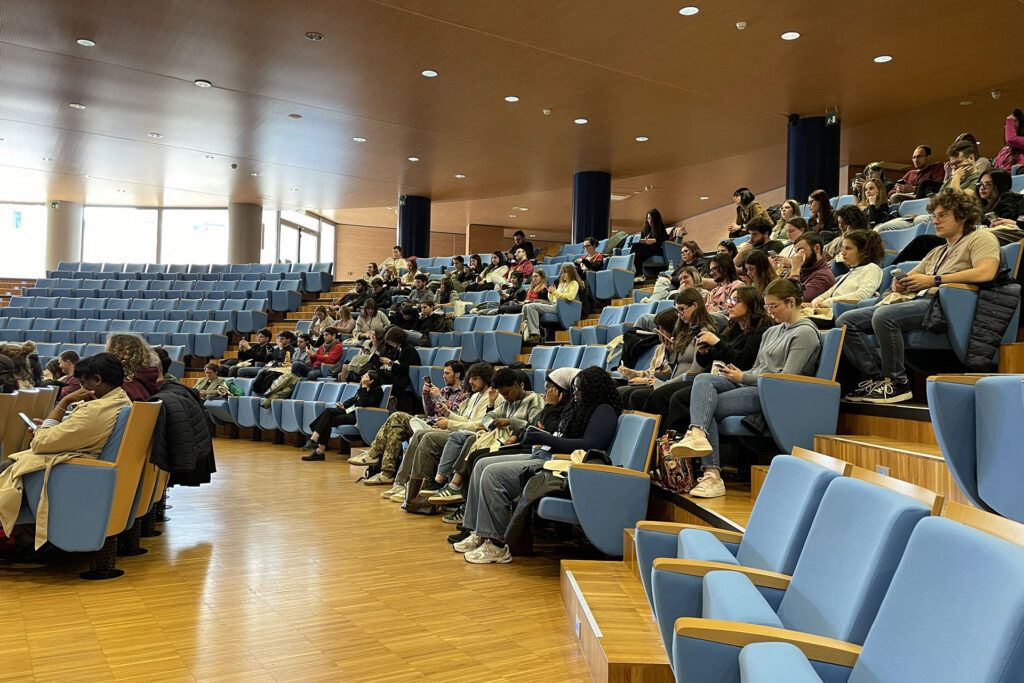
Another area of focus involves coordinating engagement and co-creation processes with stakeholders. Through dialogue with institutions, authorities, service providers, and communities, we gather information on needs, expectations, and feedback that are useful for designing accessible, understandable, and person-centered services that can be adapted to users with different roles, skills, and needs.
Finally, ISIG is responsible for communication activities and digital campaigns aimed at disseminating the project’s results and fostering an informed discussion on the opportunities, limitations, and implications of emerging technologies applied to climate and coastal resilience.