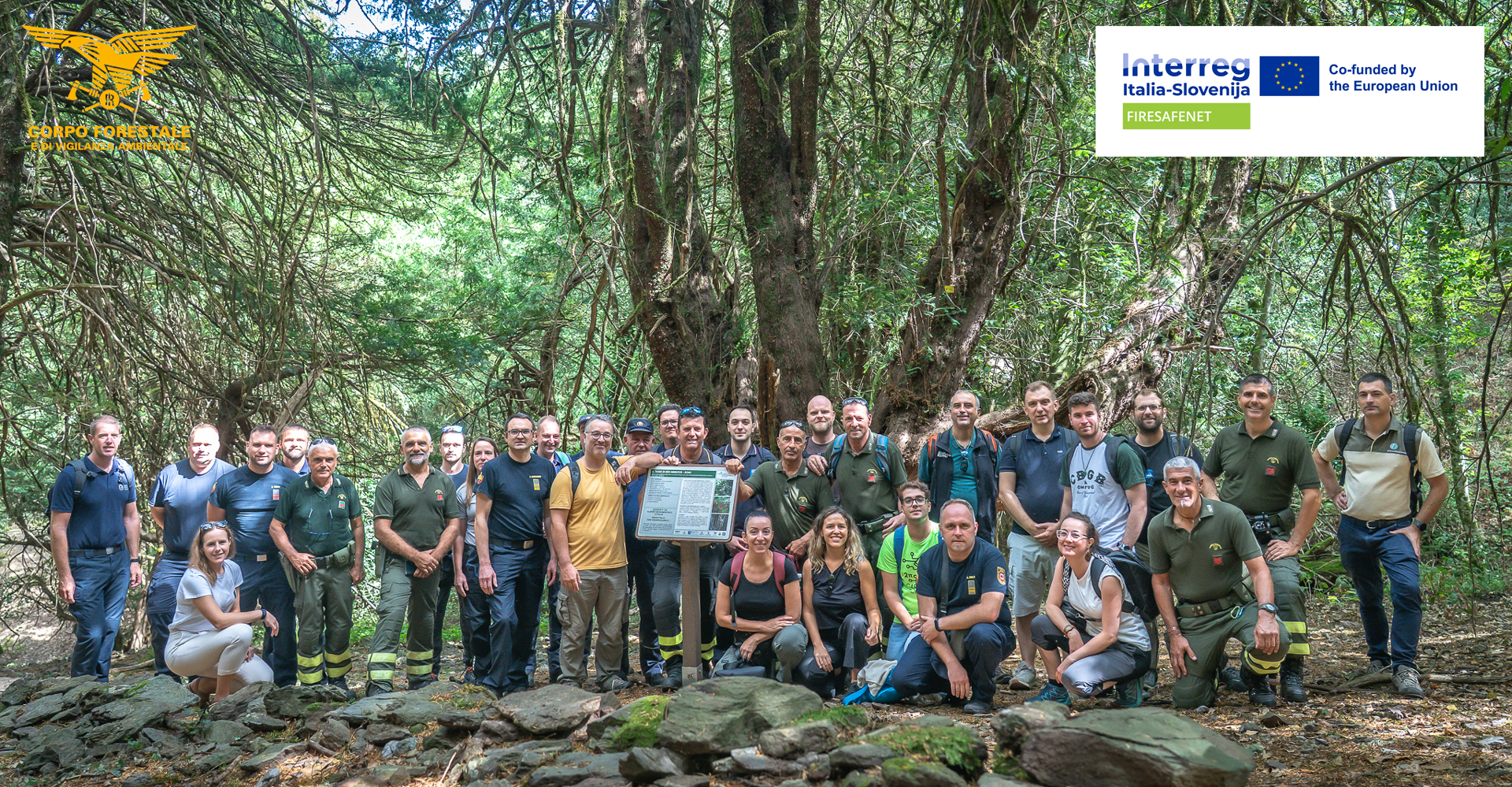
From Sassari to the Goceano forests and on to Suni, the study visit organized as part of the FIRESAFENET project—co-funded by the European Union through the Interreg VI-A Italy-Slovenia Program—brought together researchers, practitioners, and institutional representatives from Sardinia, Friuli-Venezia Giulia, and Slovenia, with the aim of sharing knowledge, tools, and best practices in the prevention and management of wildfires.
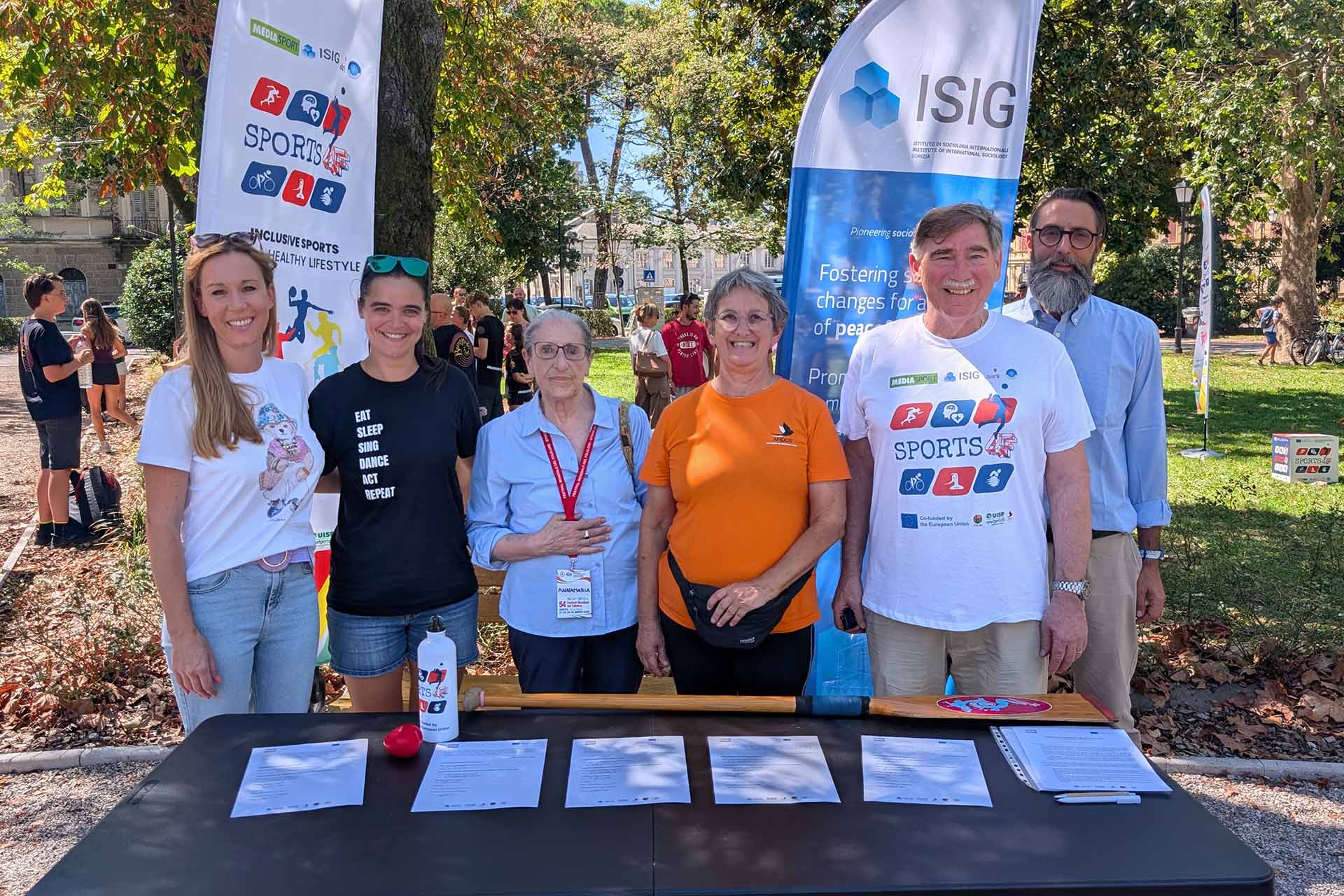
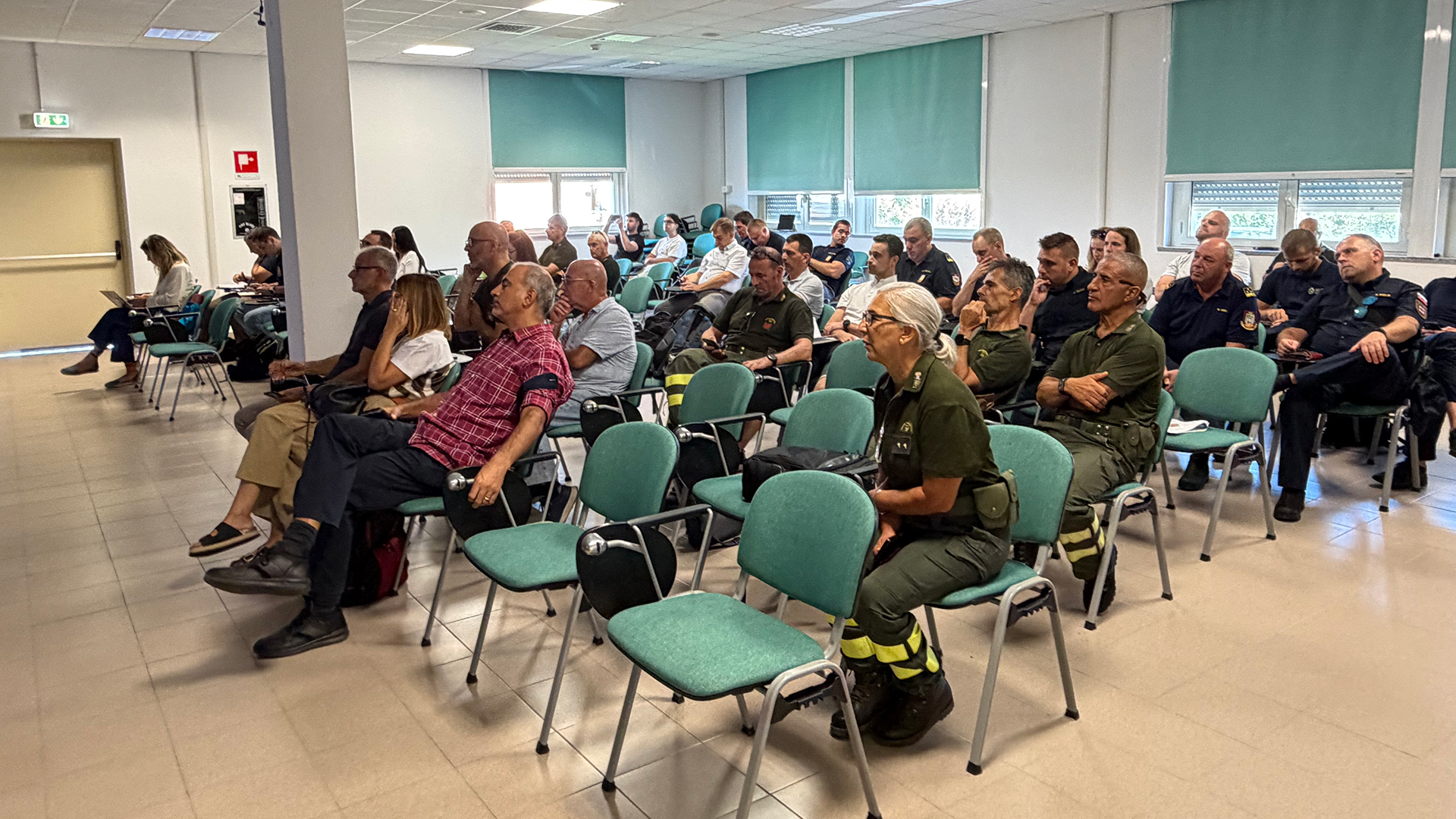
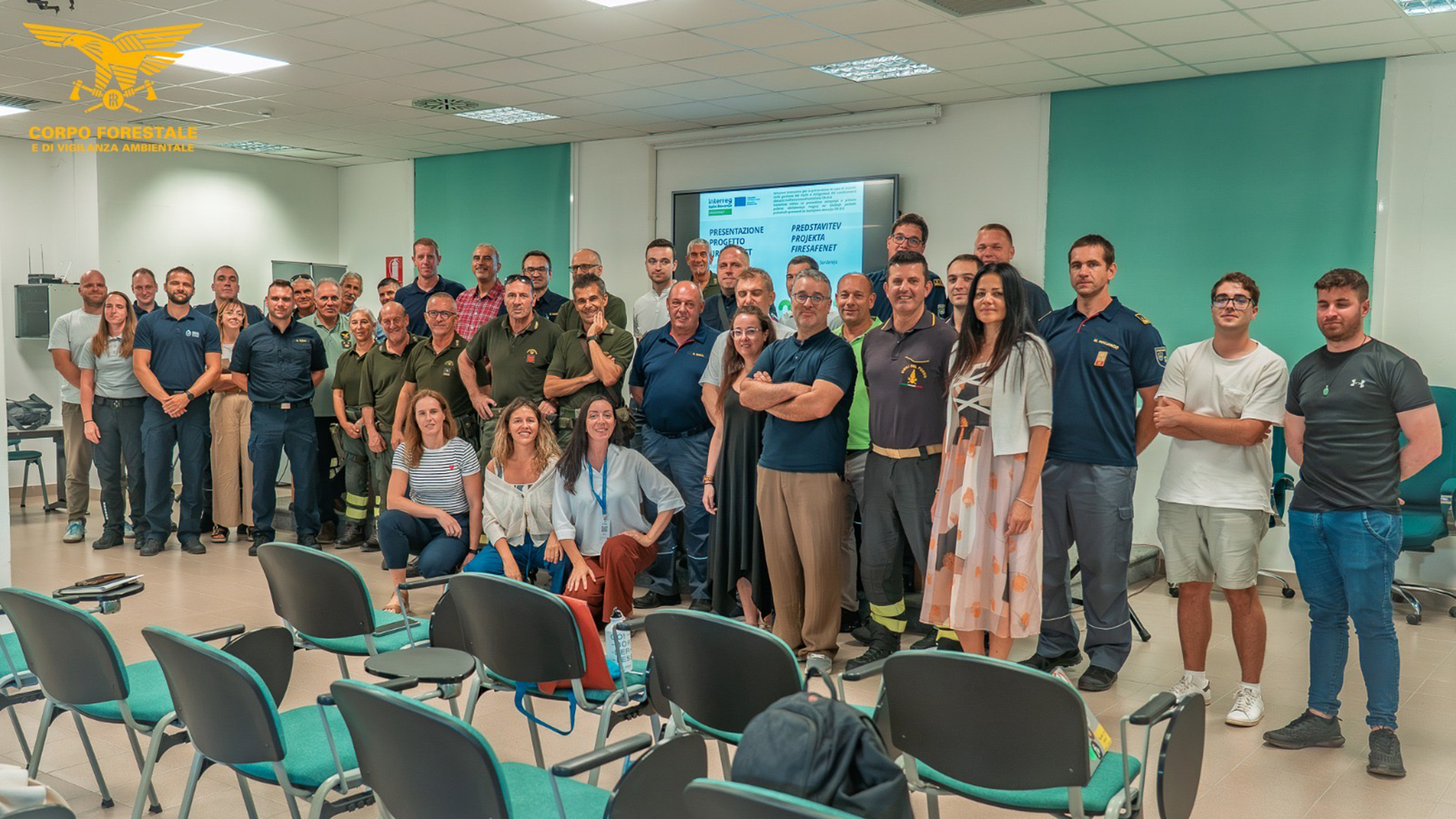
The study visit, held from September 9 to 11, was organized by ISIG —the Institute of International Sociology of Gorizia—in collaboration with the project’s partner organizations : the National Research Council—Institute for Bioeconomics (CNR-IBE) and the Forestry and Environmental Surveillance Corps of the Autonomous Region of Sardinia (CFVA). The initiative brought 25 participants from Italy and Slovenia to Sardinia, including researchers, firefighters, representatives from forestry services and Civil Protection, the Ministry of Agriculture, Forestry, and Food of the Republic of Slovenia, the municipalities of Monfalcone and Ajdovščina, as well as other organizations involved in fire and emergency prevention and management. The study visit thus provided a concrete opportunity to share experiences gained in different regions and to strengthen cross-border cooperation in fire risk prevention and management.
The choice of Sardinia as the location for the Study Visit stems from its proven experience in the prevention and management of wildfires, gained through the joint efforts of operational agencies, research institutions, and entities involved in land management. The presence of specialized expertise from the Sardinian Forest and Environmental Protection Corps, the GAUF —the Fire Analysis and Use Group—the Fo.Re.S.T.A.S. Agency, and the CNR-IBE, makes the island a particularly significant setting for observing integrated approaches to risk management in the field. The variety of forest environments and the presence of areas exposed to complex climatic and vegetational conditions also offered participants the opportunity to compare concrete experiences and assess which practices could be adapted to the contexts of Friuli-Venezia Giulia and Slovenia, thereby reinforcing the cross-border value of the study visit.
First Day in Sassari: Research in the Service of Prevention
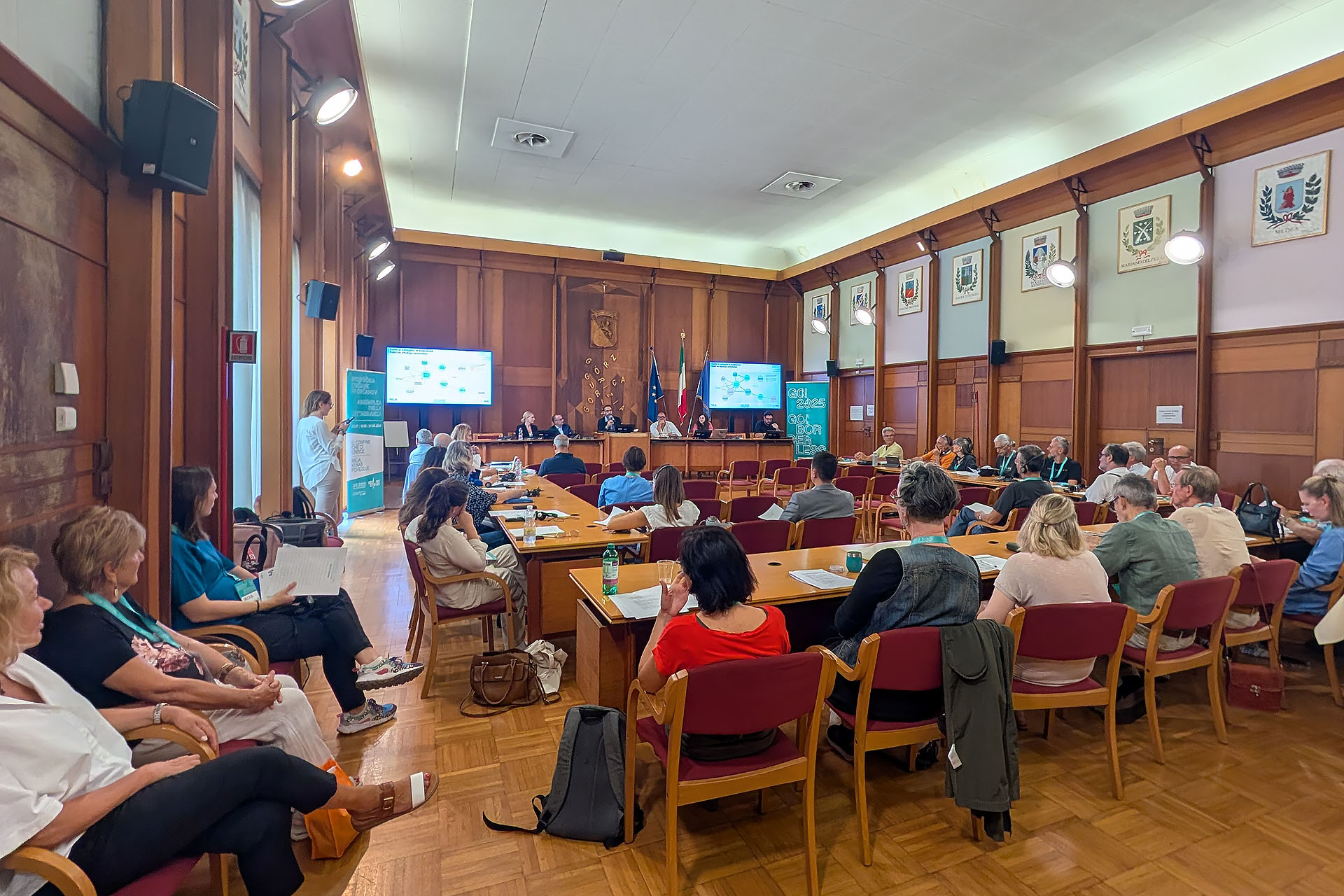
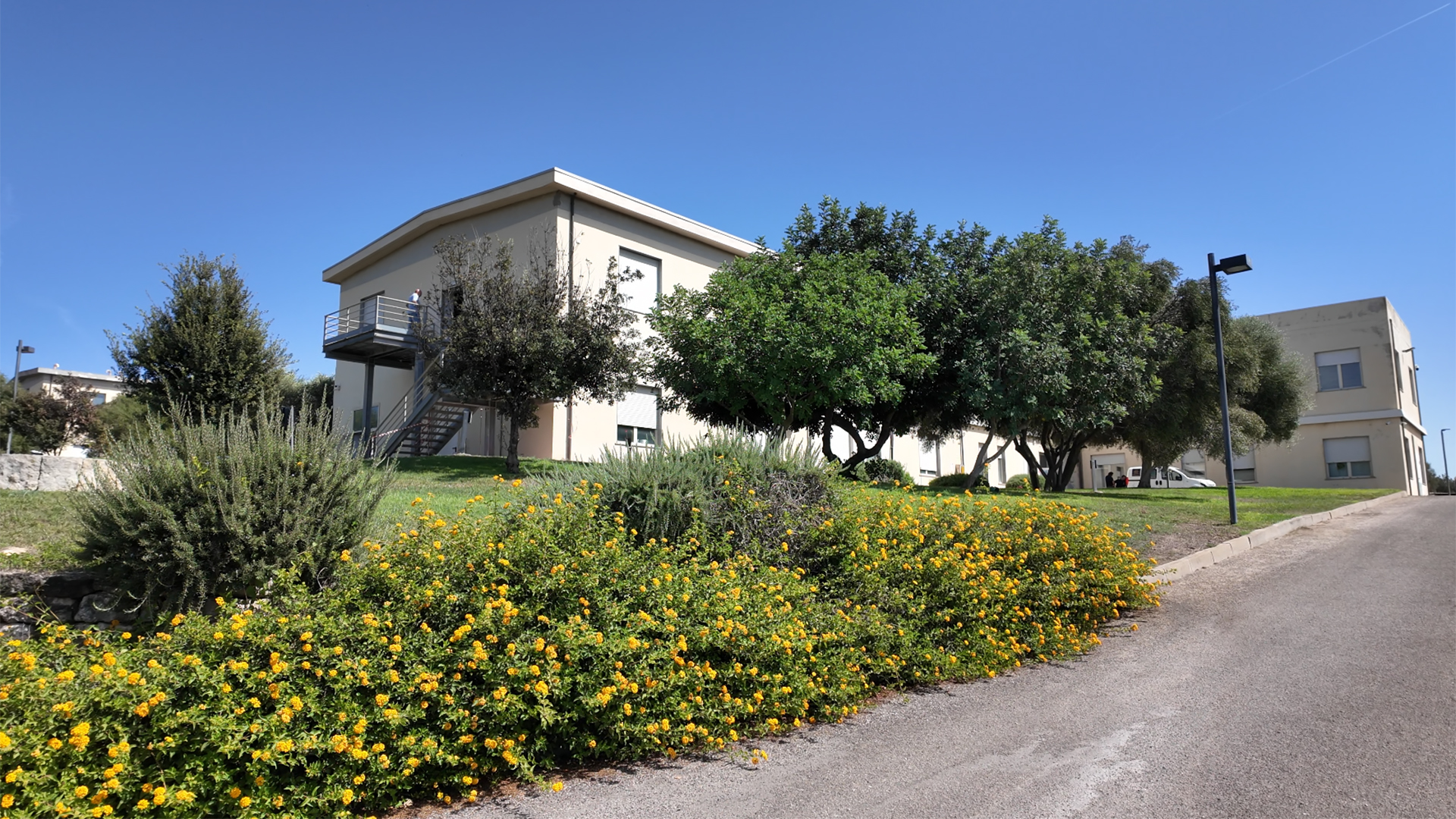
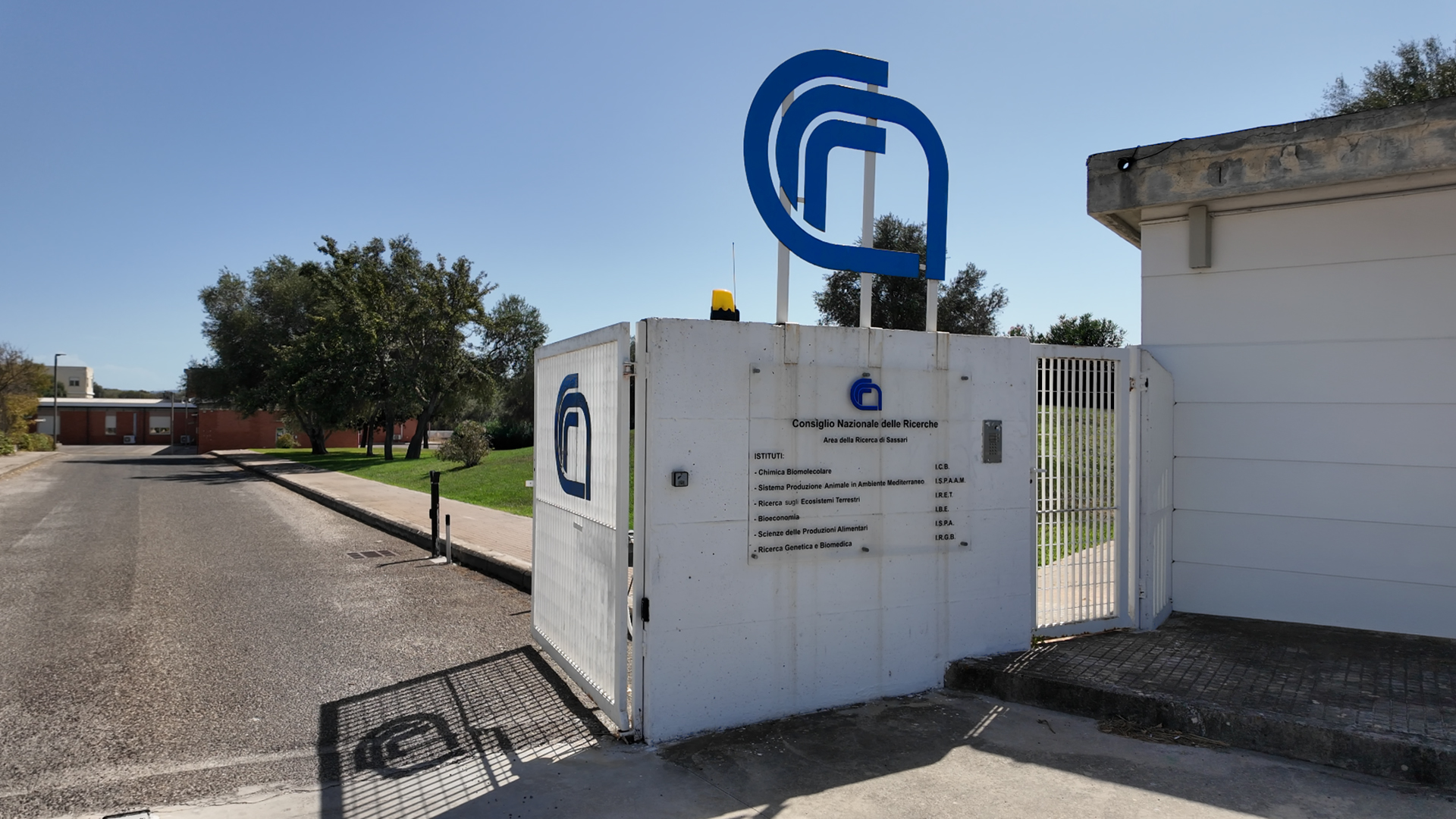
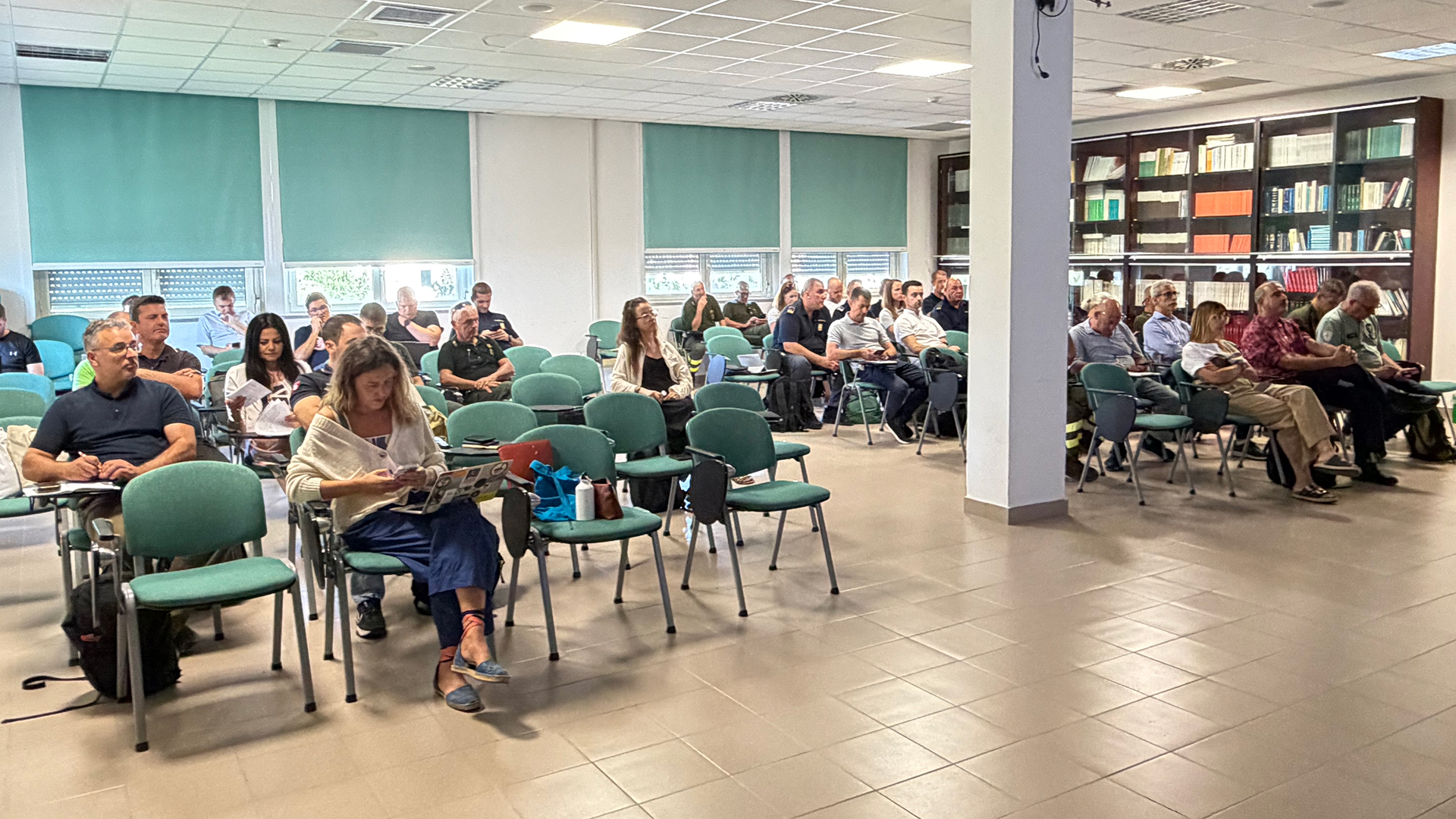
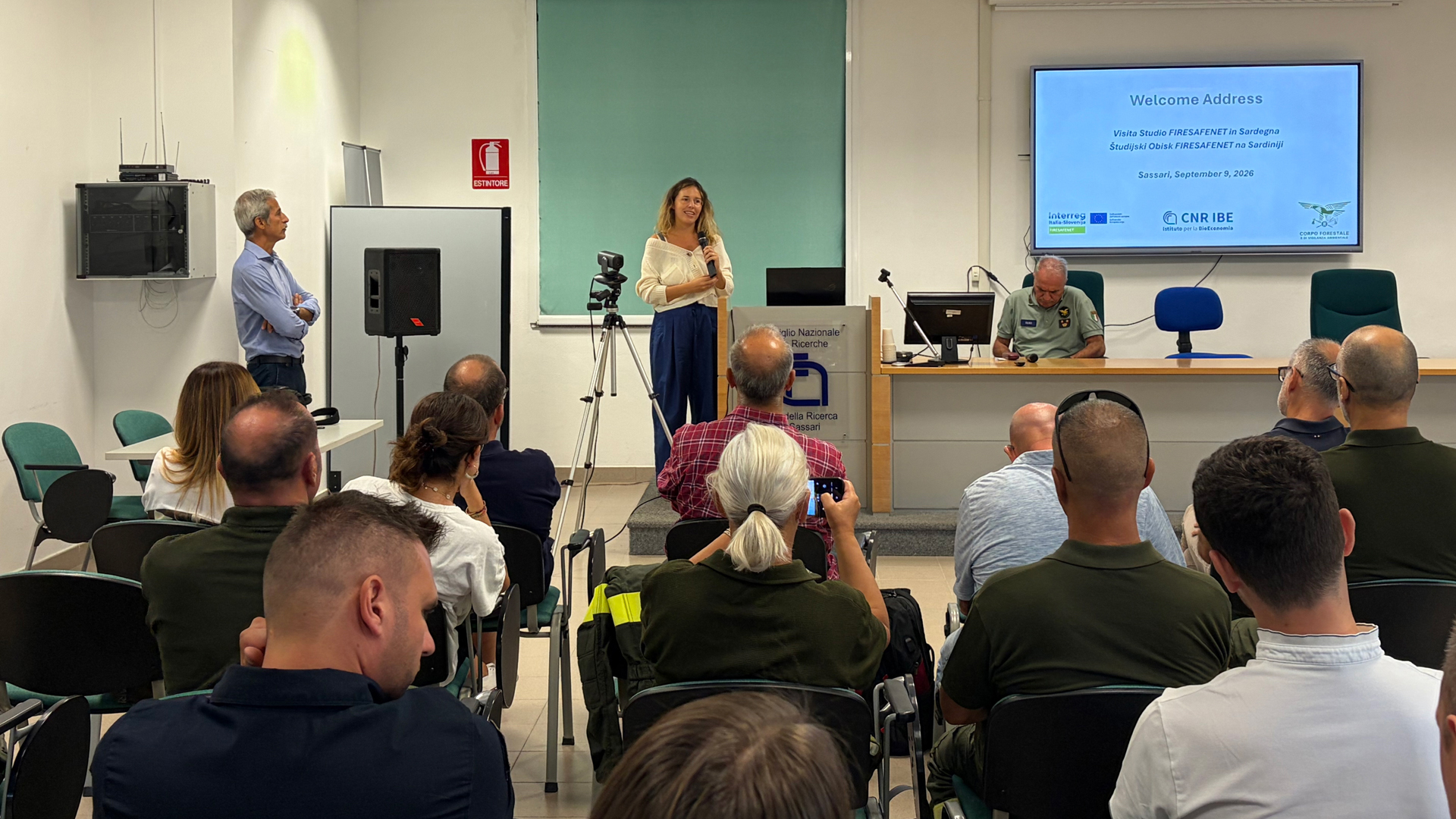
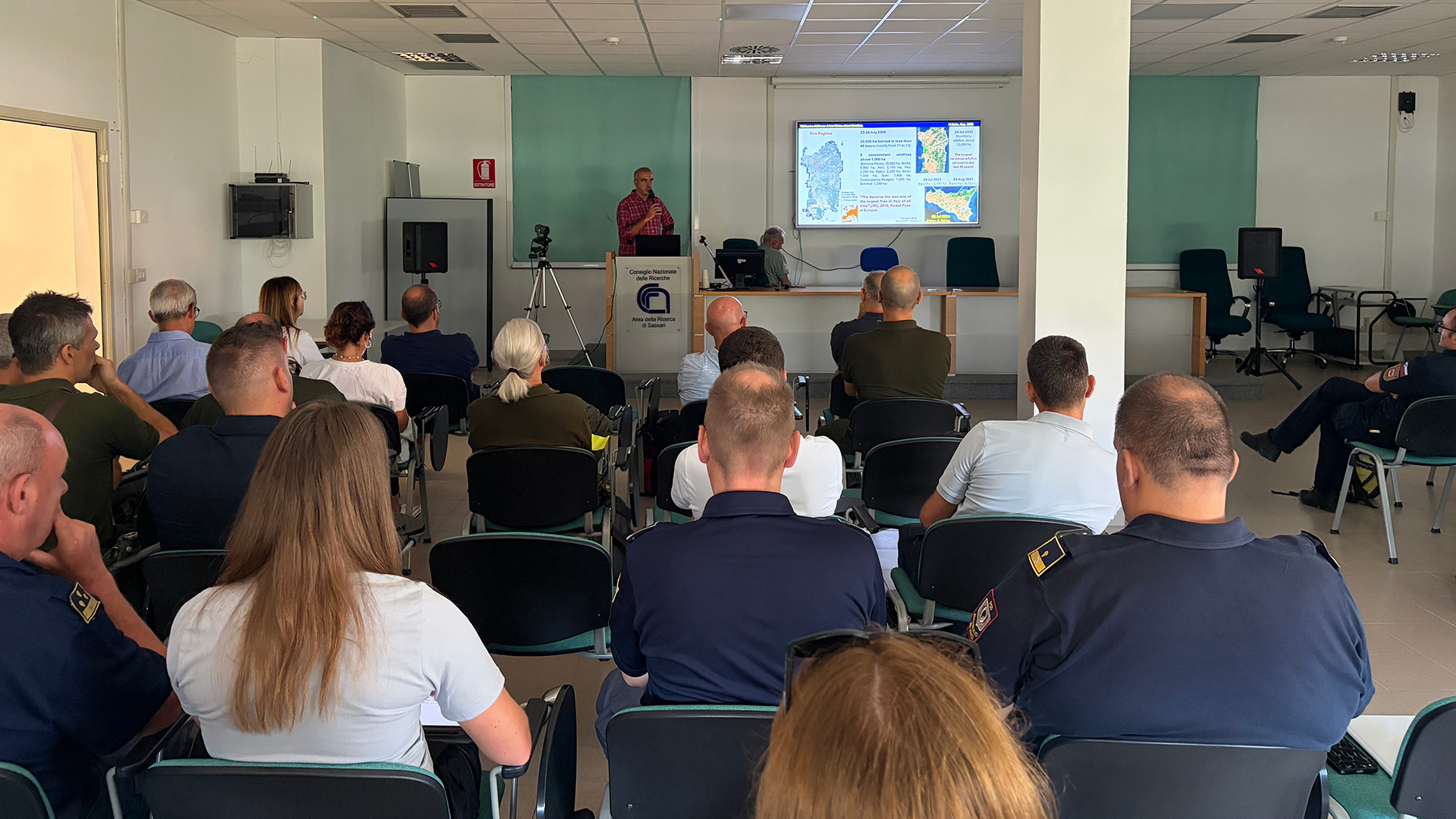
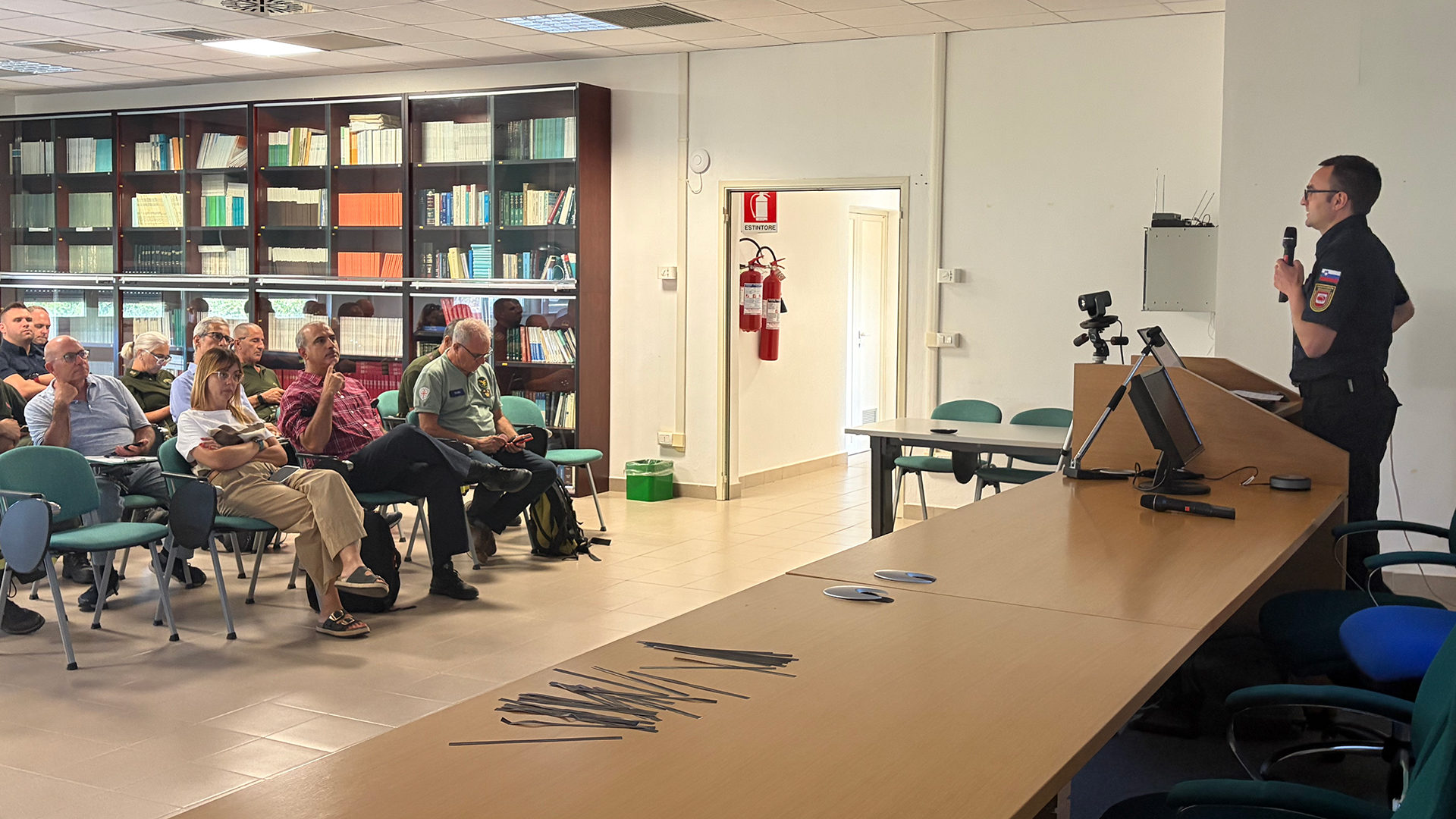
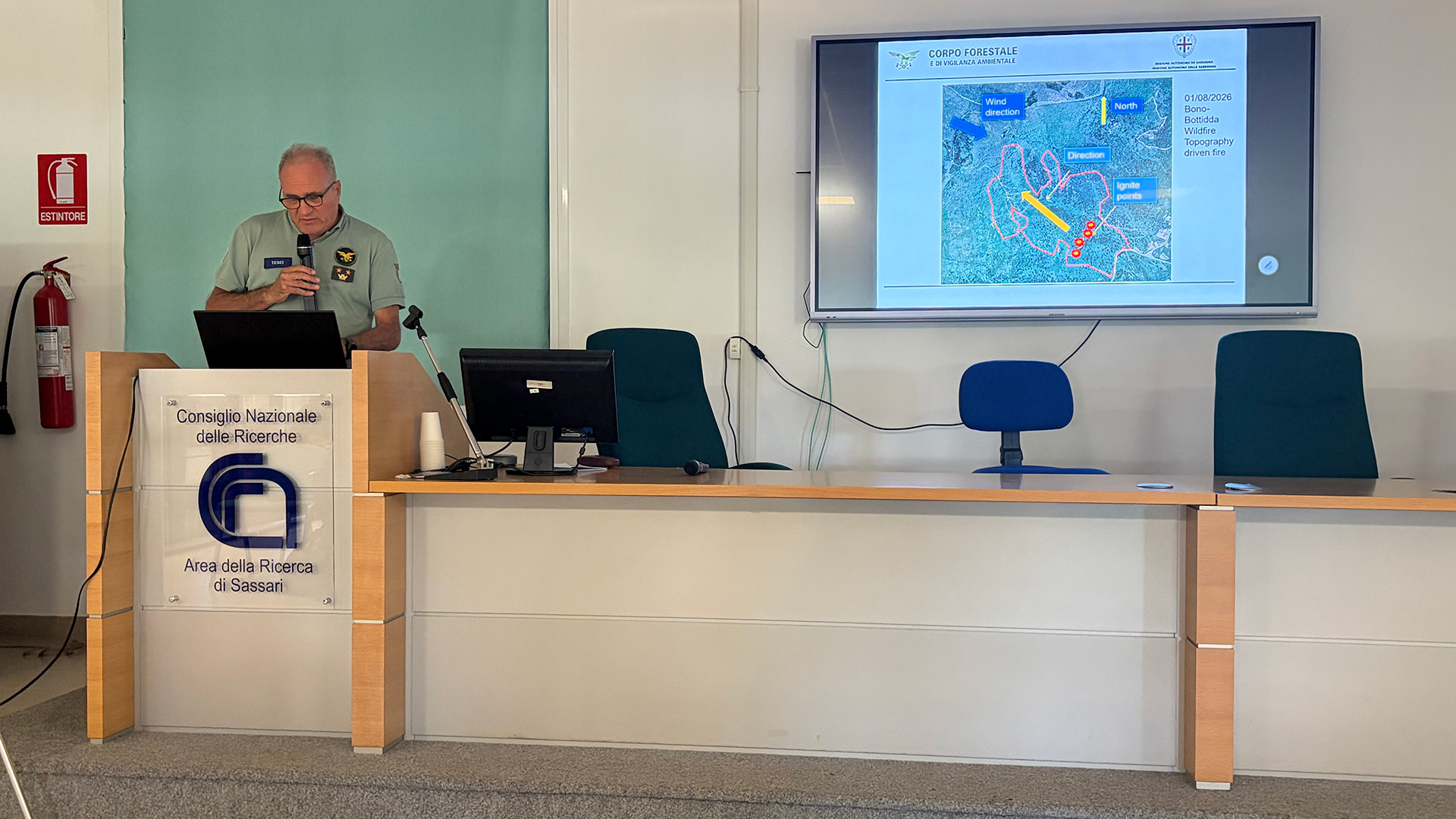
The first day took place in the Conference Roomof the Research Area at the CNR IBE in Sassari, with a program organized by the CNR-IBE and focused on the main lines of research into fire behavior, vegetation, and risk assessment.
Bachisio Arca and Michele Salis ( CNR-IBE) opened the proceedings by providing an overview of Sardinia’s environmental context and the role that research, monitoring, and modeling can play in fire prevention and management.
The scientific sessions addressed the topic from different and complementary perspectives. Roberto Ferrara (CNR-IBE) explained the use of laser scanning systems for characterizing plant fuel; Valentina Bacciu (CNR-IBE)’s video presentation provided an in-depth look at the methods used to estimate emissions from wildfires; Carla Scarpa (CNR-IBE) presented the use of fire propagation models to identify areas where vegetation management interventions may be most effective.
Scenario modeling and analysis were one of the central themes of the day. Liliana Del Giudice (CNR-IBE) presented simulation approaches focused on wildfire spread and risk in southern Italy, while Michele Salis explained how integrating climate models with fire models can help us understand the future evolution of wildfire risk in Sardinia. Bachisio Arca then provided an in-depth look at the application of the SWS (Sardinian Wildfire Simulator) model—a system that simulates the spread of wildfires by taking into account vegetation, topography, and weather conditions—and its potential contribution to forecasting and planning efforts.
The discussion also focused on the ability of ecosystems to recover after a fire. In a presentation titled “Sentinels Beneath Our Feet, ” Marcello Verdinelli (CNR-IBE) explained the role of soil insects in monitoring post-fire biodiversity, while Grazia Pellizzaro (CNR-IBE) provided an in-depth look at monitoring the moisture content of plant fuel, a key parameter for assessing fire risk conditions.
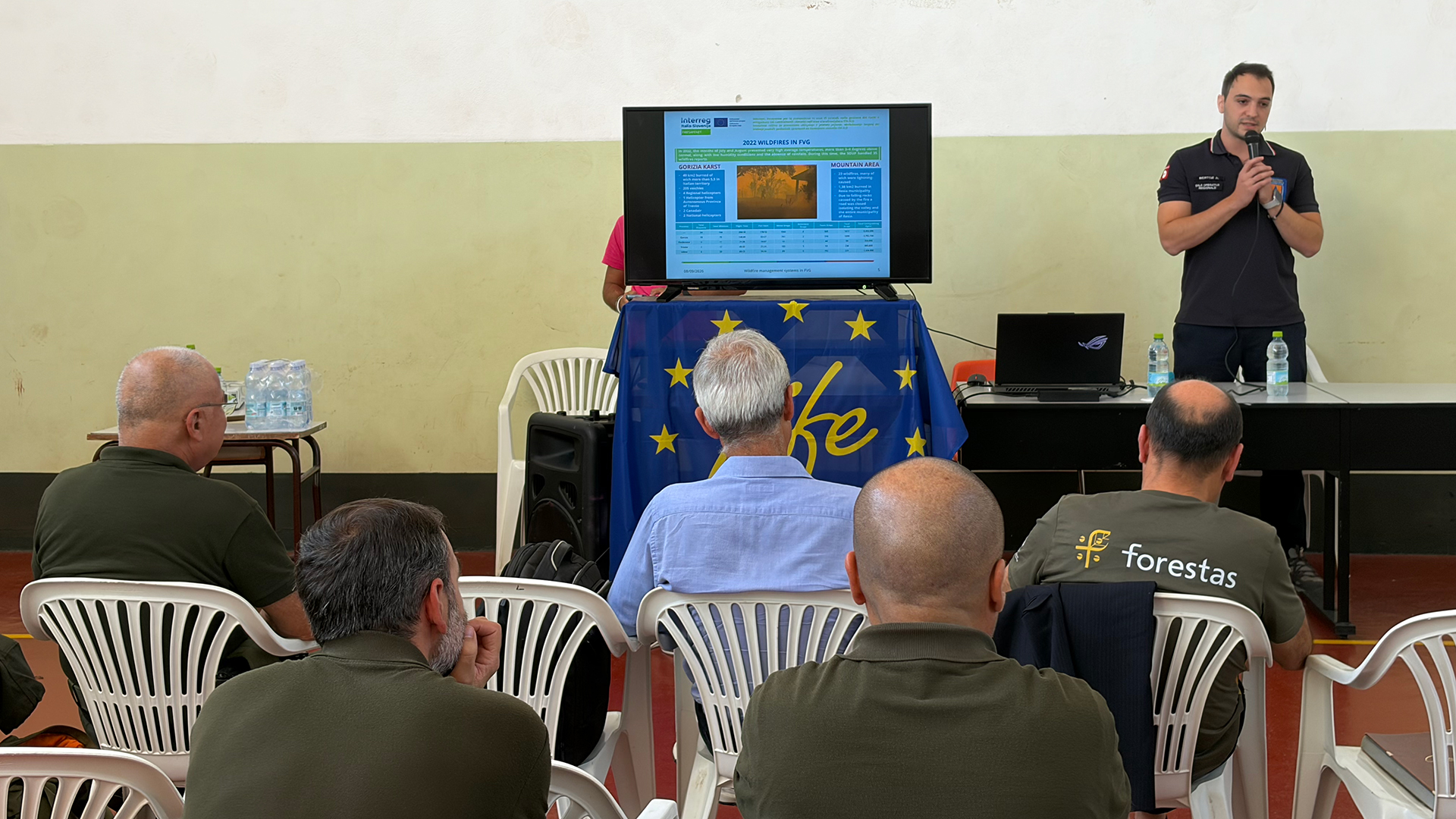
The program then moved directly into the project activities with a presentation by Simon Vendramin ( GENG) on the progress of FIRESAFENET.
The first day concluded with a presentation by the Sardinian Forest and Environmental Protection Corps ( CFVA) on the recent fire in Bono. This real-world case study served as a framework for linking data, scientific models, and operational experience, laying the groundwork for the subsequent on-site visit to the areas affected by the fire.
The discussion also highlighted issues common to the various regions involved in the project, startingwith the abandonment of rural areas and the accumulation of vegetation—factors that can contribute to increased vulnerability to wildfires. It is precisely these similarities that give value to the exchange: understanding which tools developed and tested in one region can be adapted—with the necessary adjustments—to other contexts.
Day Two in the Goceano Forest Area: Getting to Know the Territory to Understand the Risks
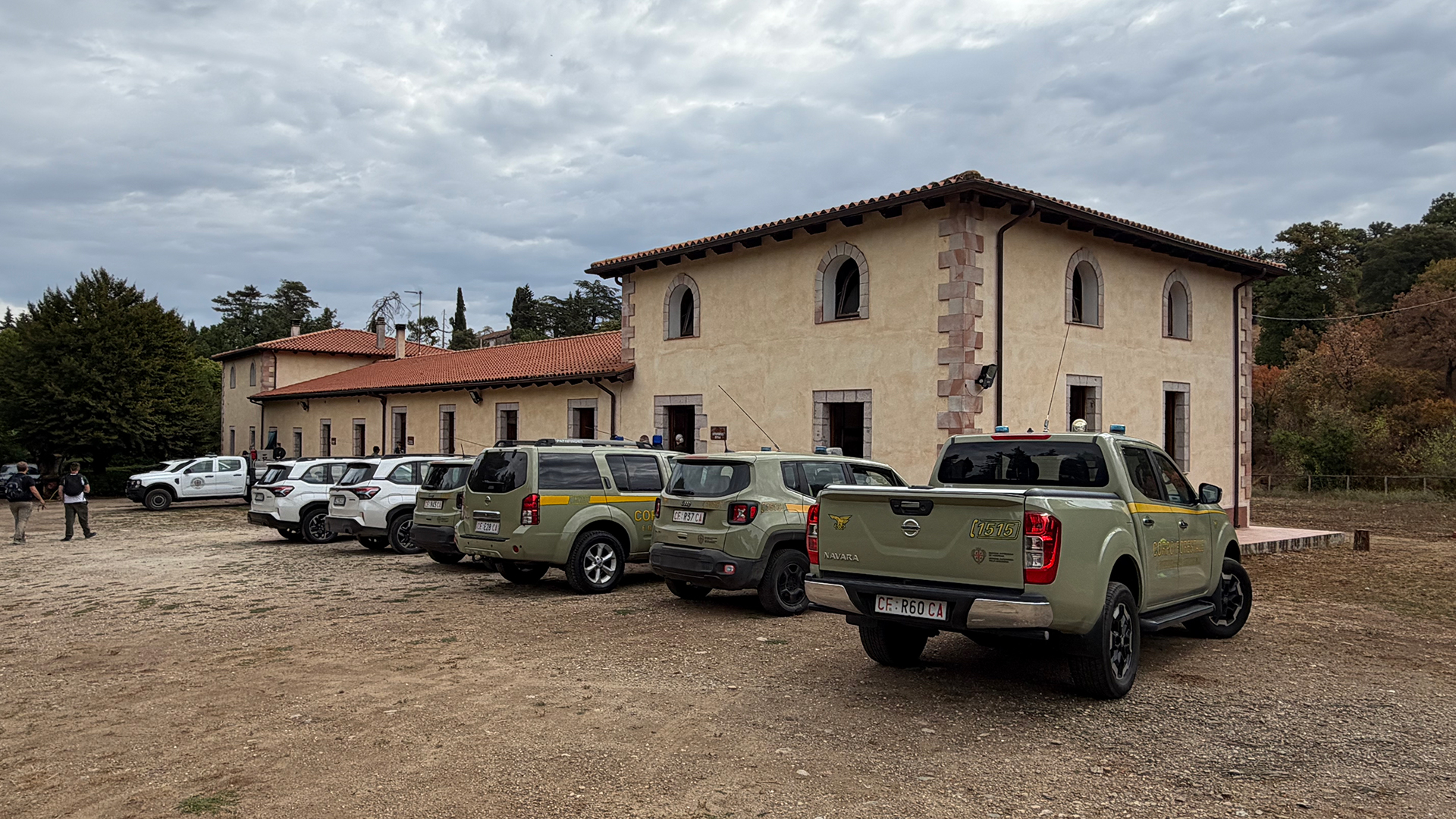
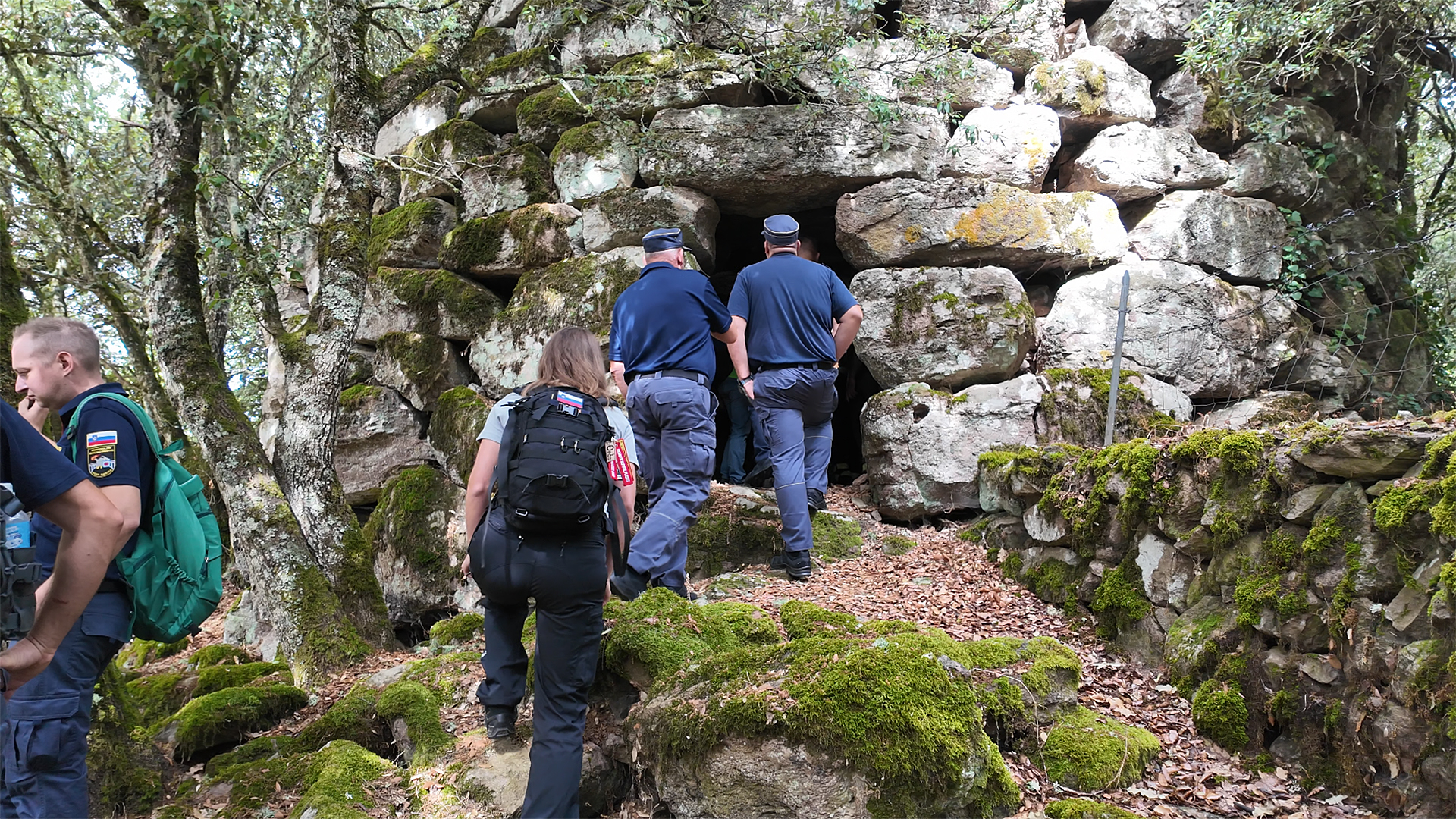
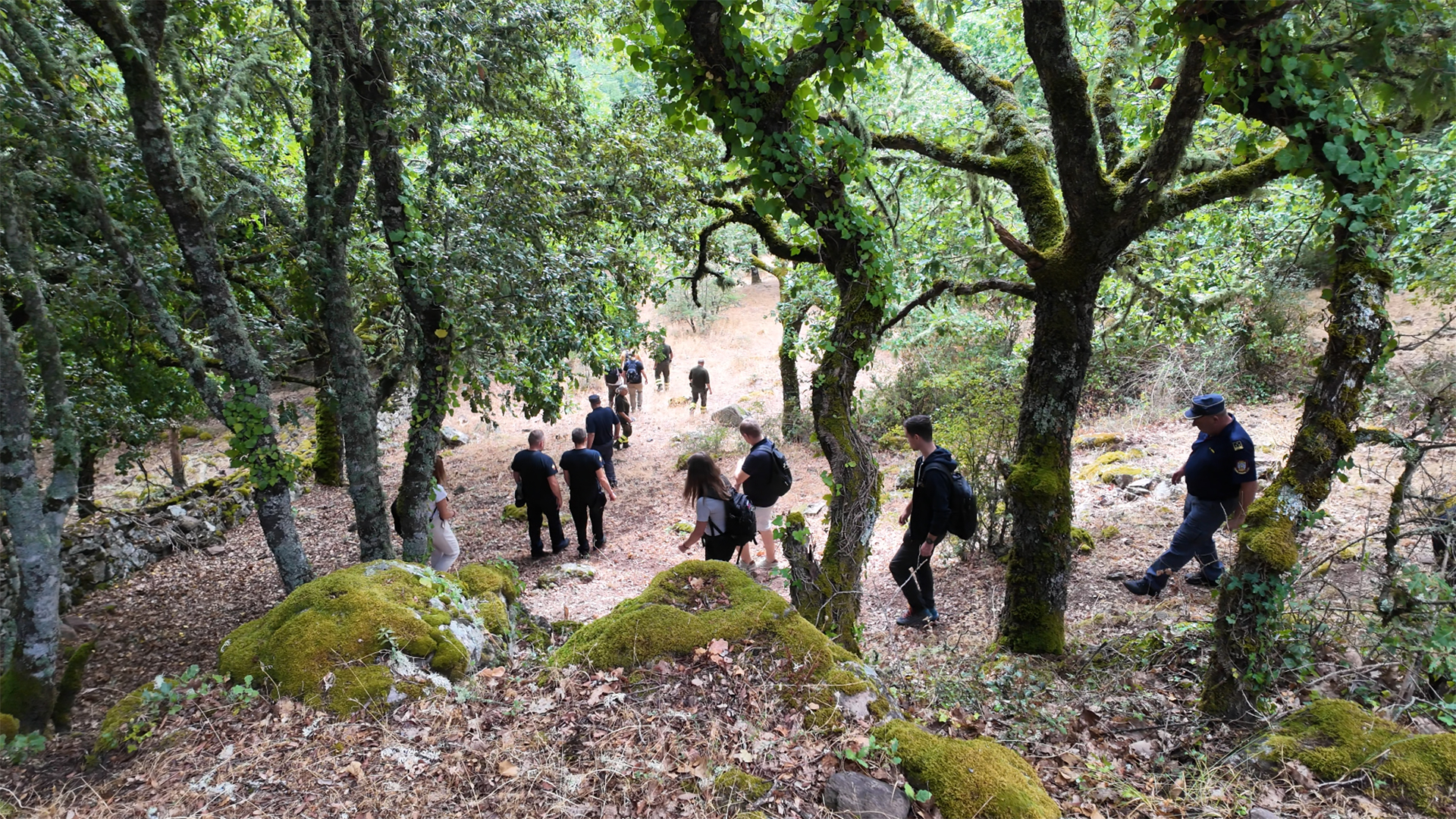
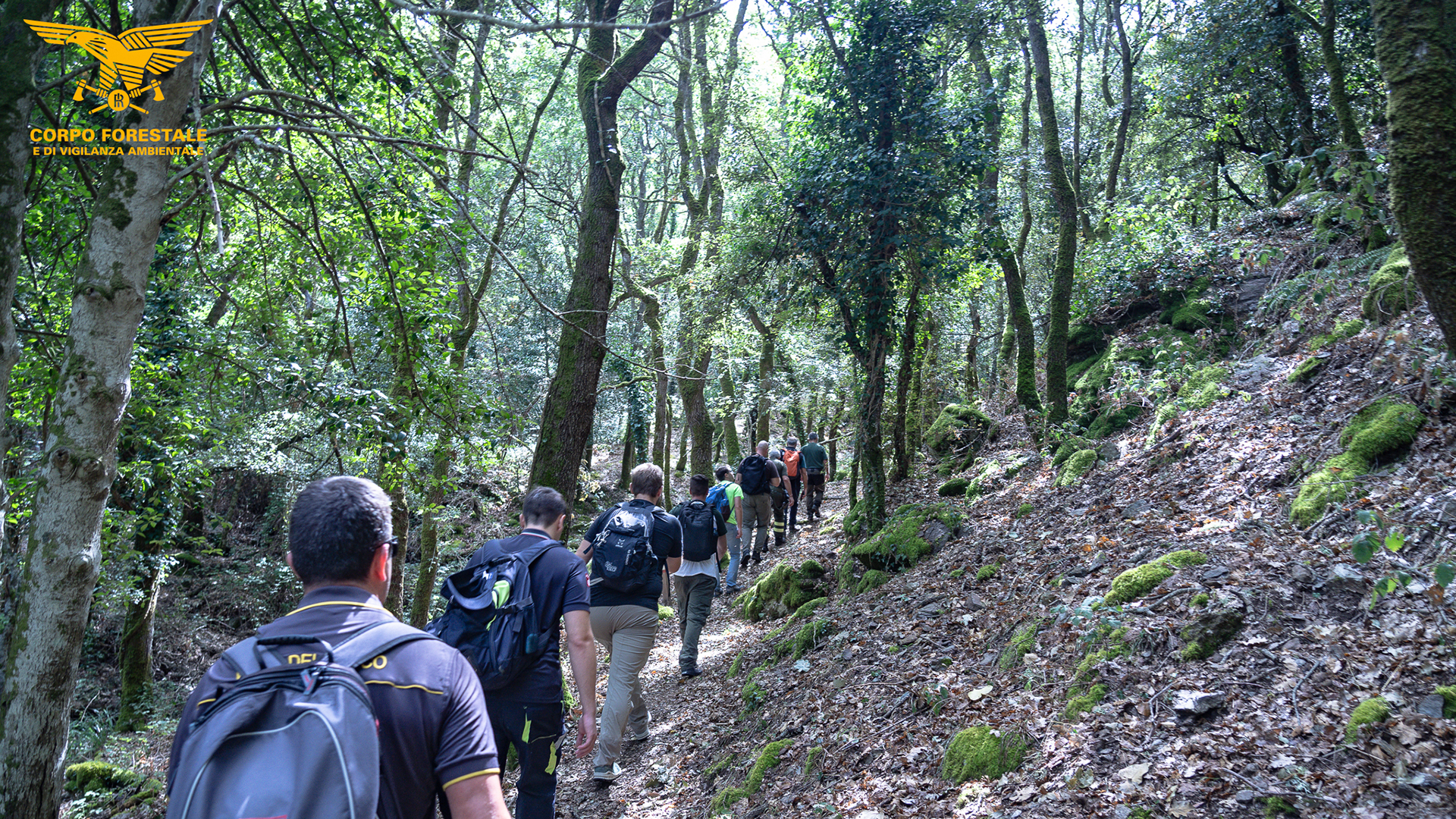
The day took the participants out into the field on a field trip to Goceano, a mountainous and hilly region in northern Sardinia characterized by particularly valuable forest ecosystems and a significant variety of habitats and species.
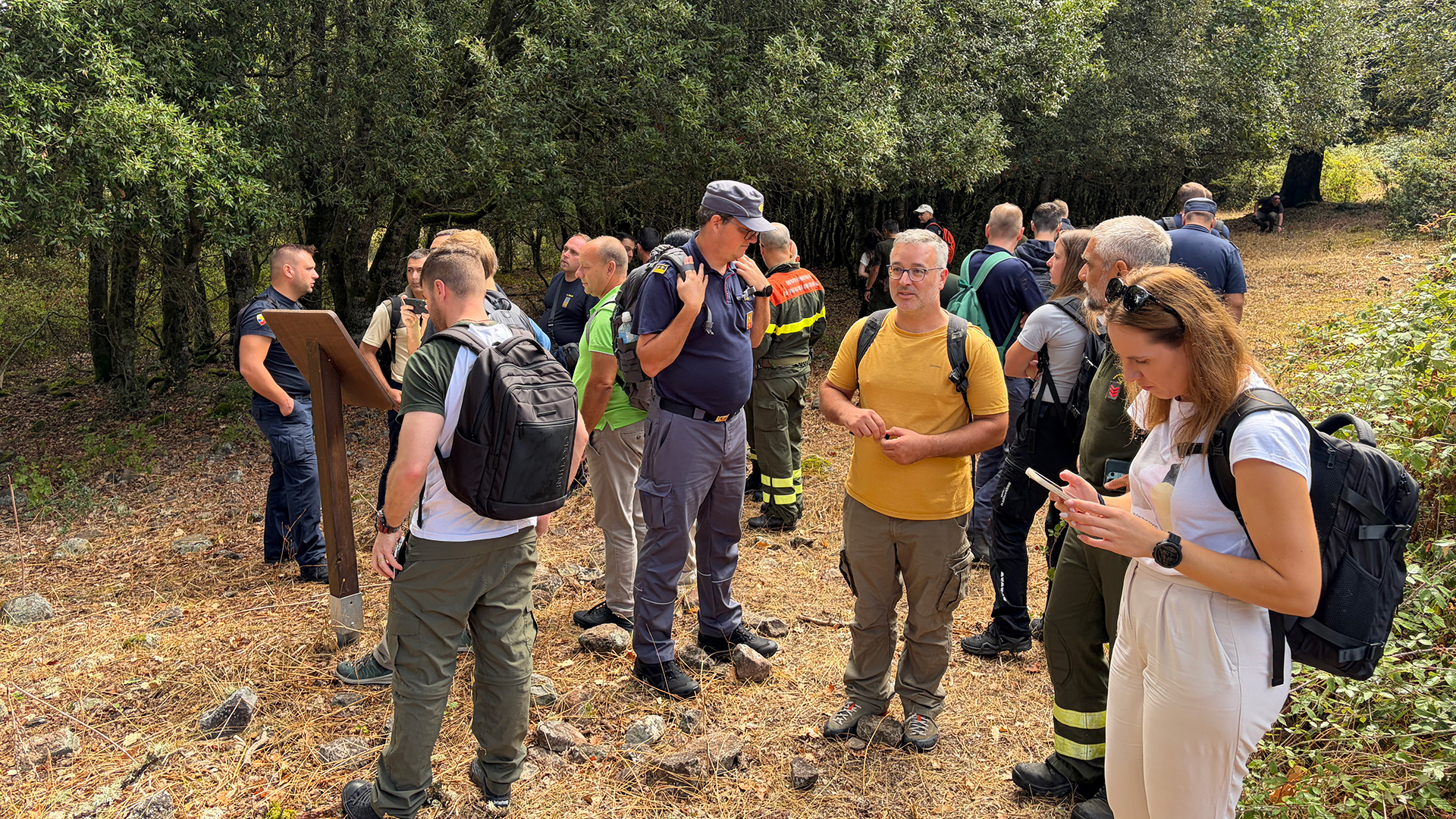
Organized with the supportof the Fo.Re.S.T.A.S. Agency and the Forest and Environmental Protection Corps, the visit provided an opportunity to observe firsthand the relationship between natural heritage, forest management, environmental conditions, and fire prevention.
The first stop was Foresta Burgos, where the group visited the wood collection center together with Forestas staff, learning more about the characteristics of the main tree species found in the area and the forestry value of the various species.
Special attention was given to the cork oak, one of the most representative species of Sardinia’s landscape and forestry economy.
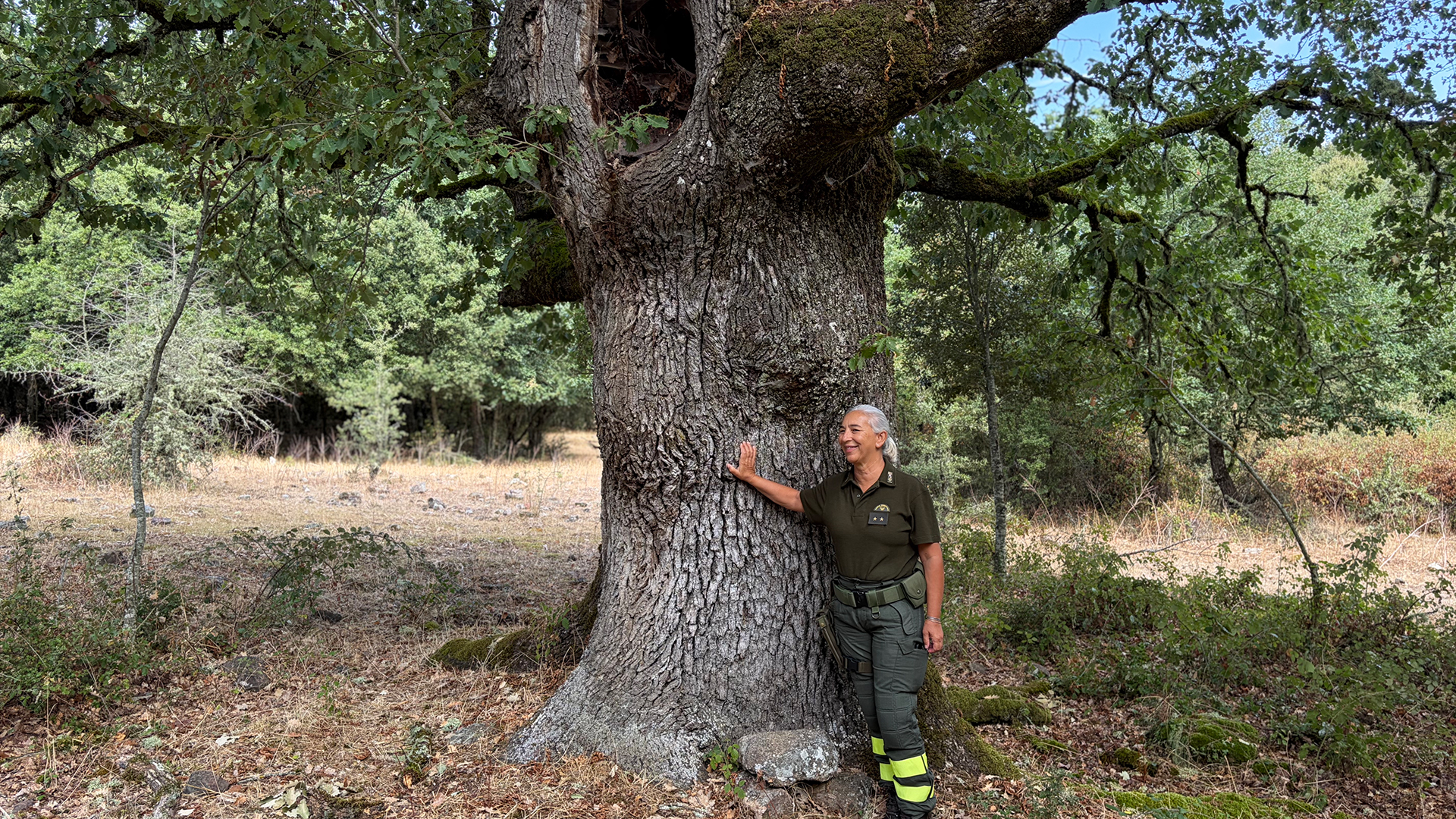
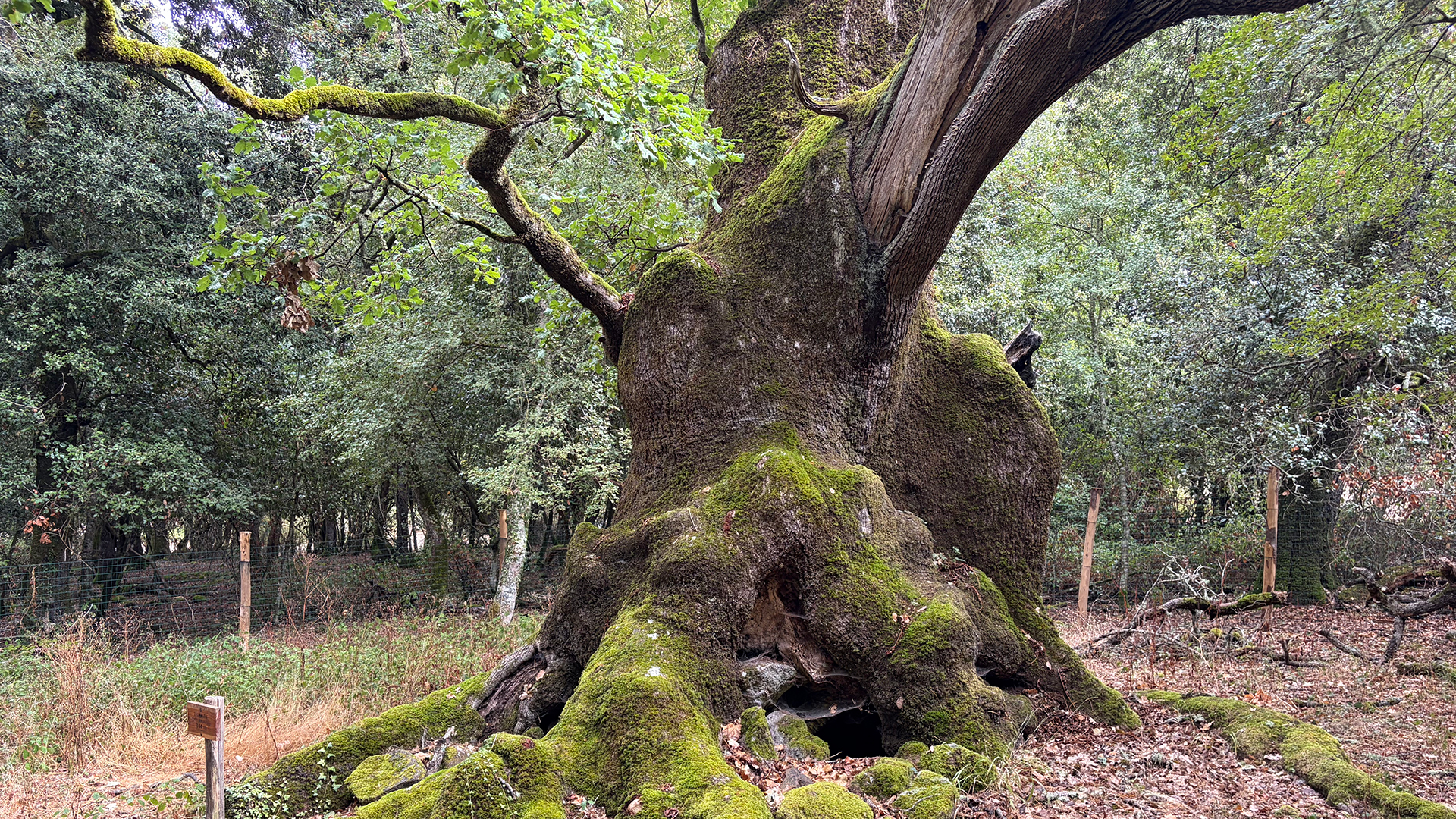
The tour continued on to Illorai, where the natural environment and historical heritage come together. The visit also provided an opportunity to observe specimens of downy oaks that are over 100 and even over 200 years old, and to learn more about the ecological characteristics of the Goceano forest ecosystems.
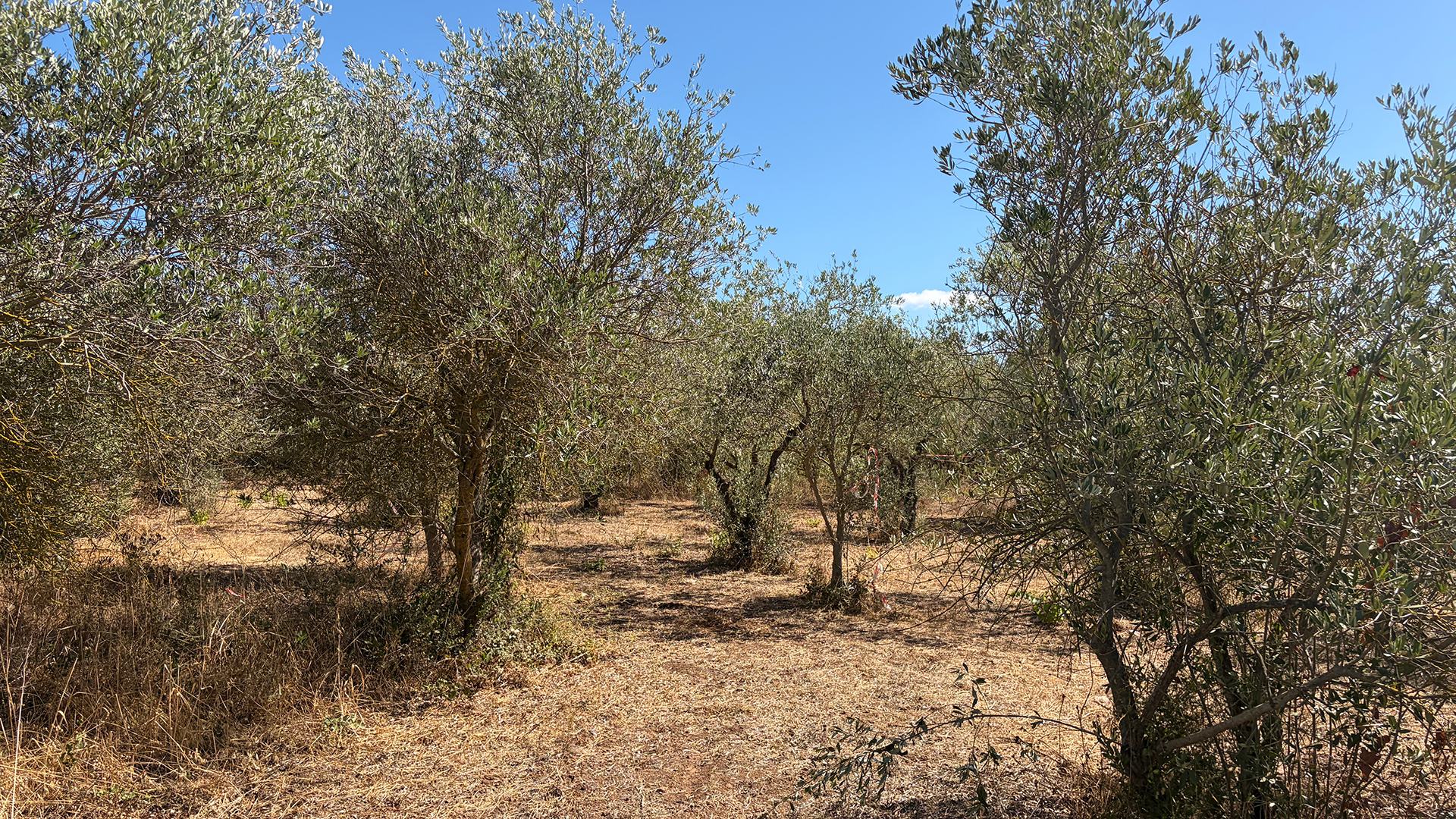
The analysis also examined conditions during the summer of 2026—which was characterized by high temperatures and low precipitation—and the resulting stress on vegetation.
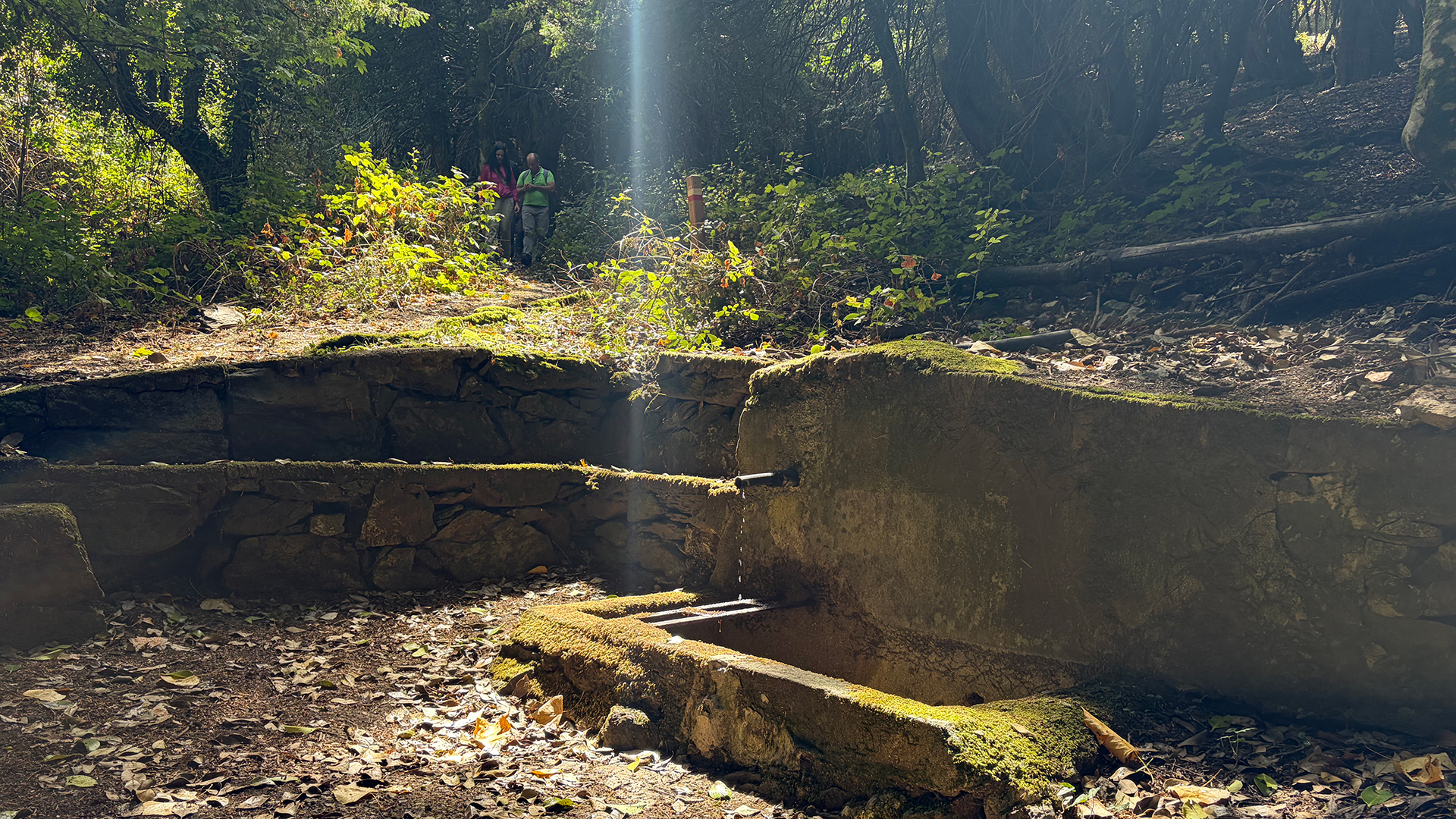
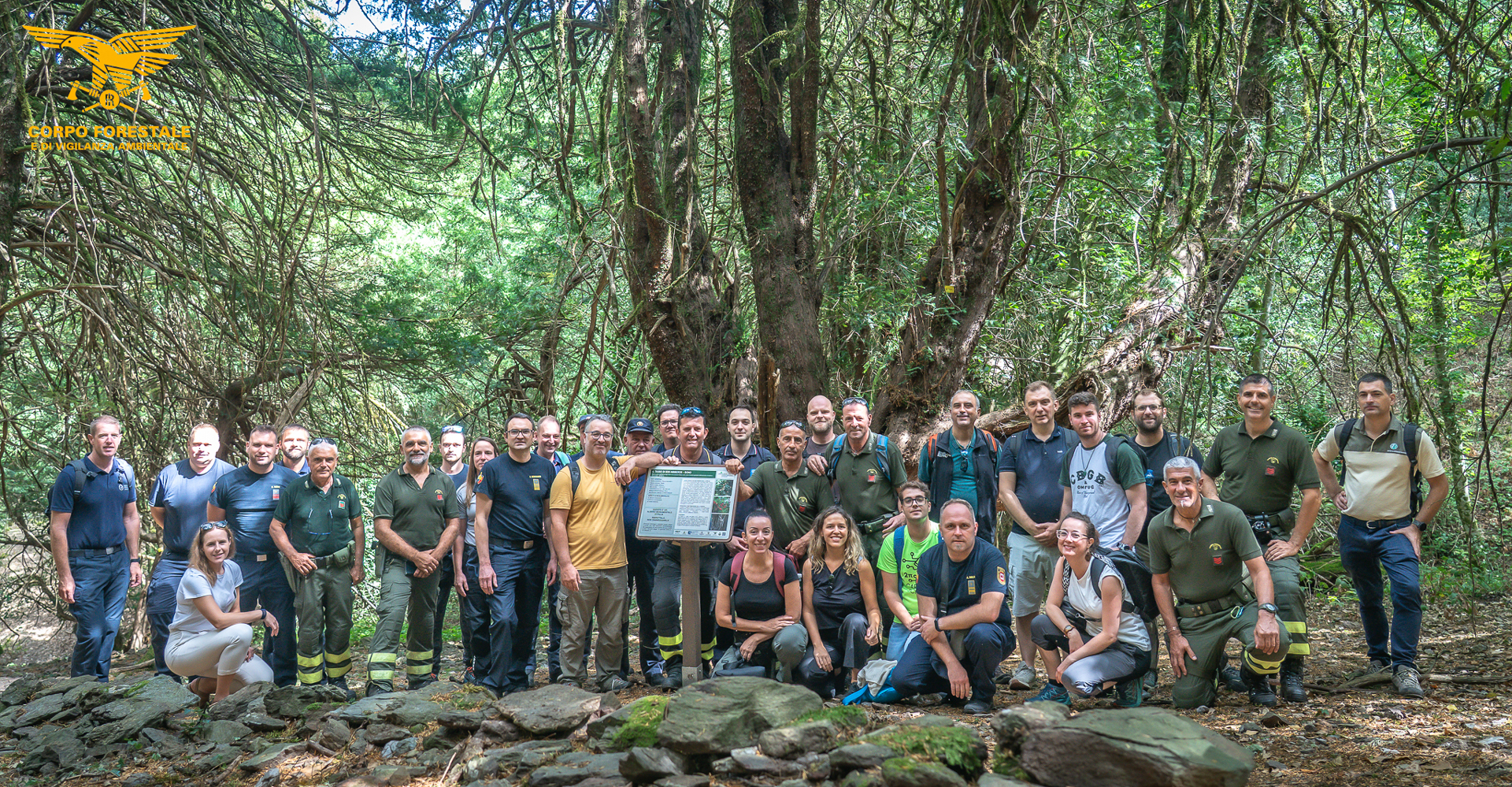
One of the most interesting stops from a nature perspective was the Sos Niberos Forest, located in the Bono area and designated as a Natural Monument. At an elevation of about 1,000 meters, the forest is home to a precious stand of yew and holly trees, including numerous specimens that are over 100 and even over 200 years old.
By observing forest resources, we have been able to understand the territory as a system in which biodiversity, climate, vegetation management, and fire risk are deeply interconnected.
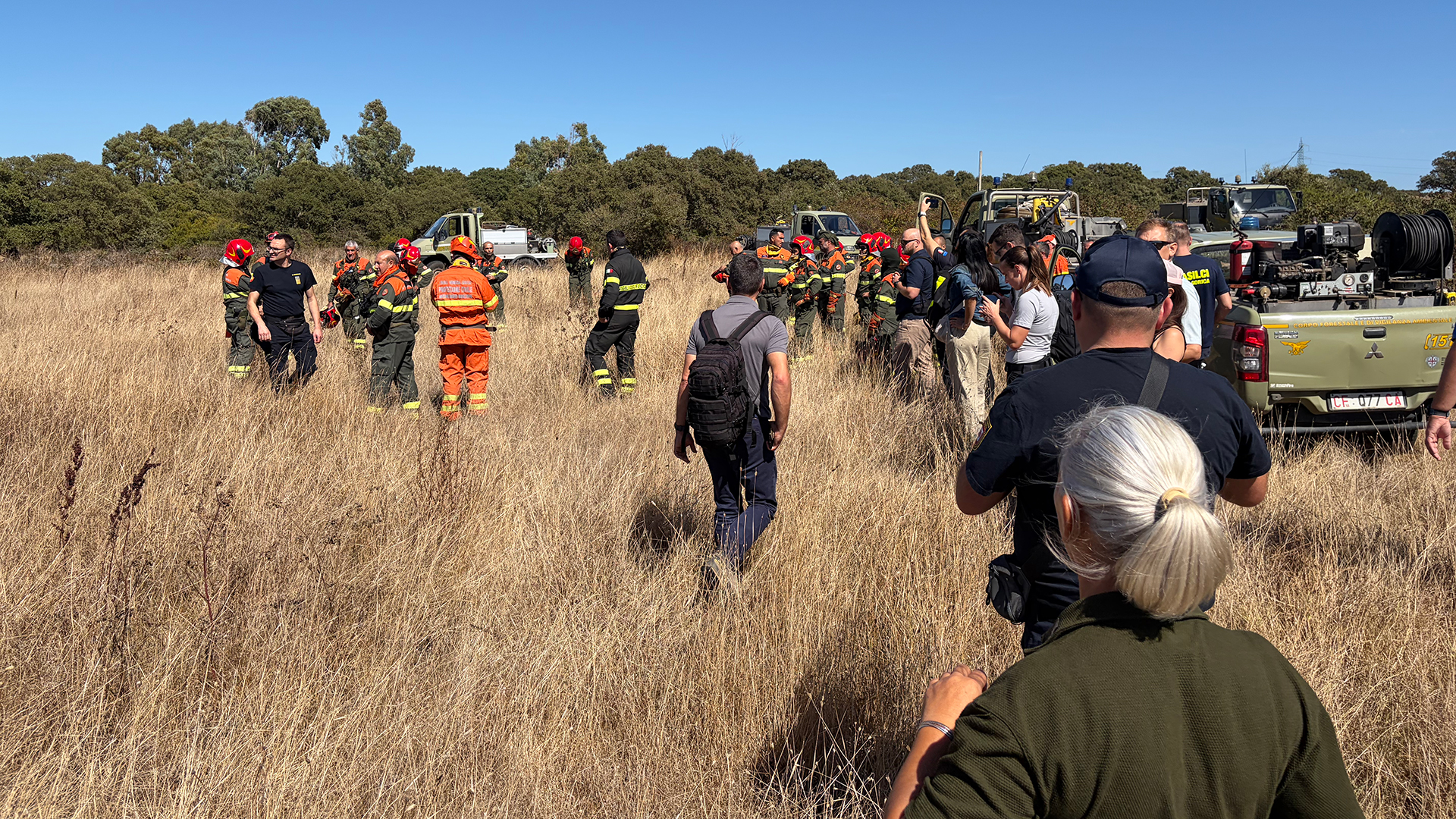
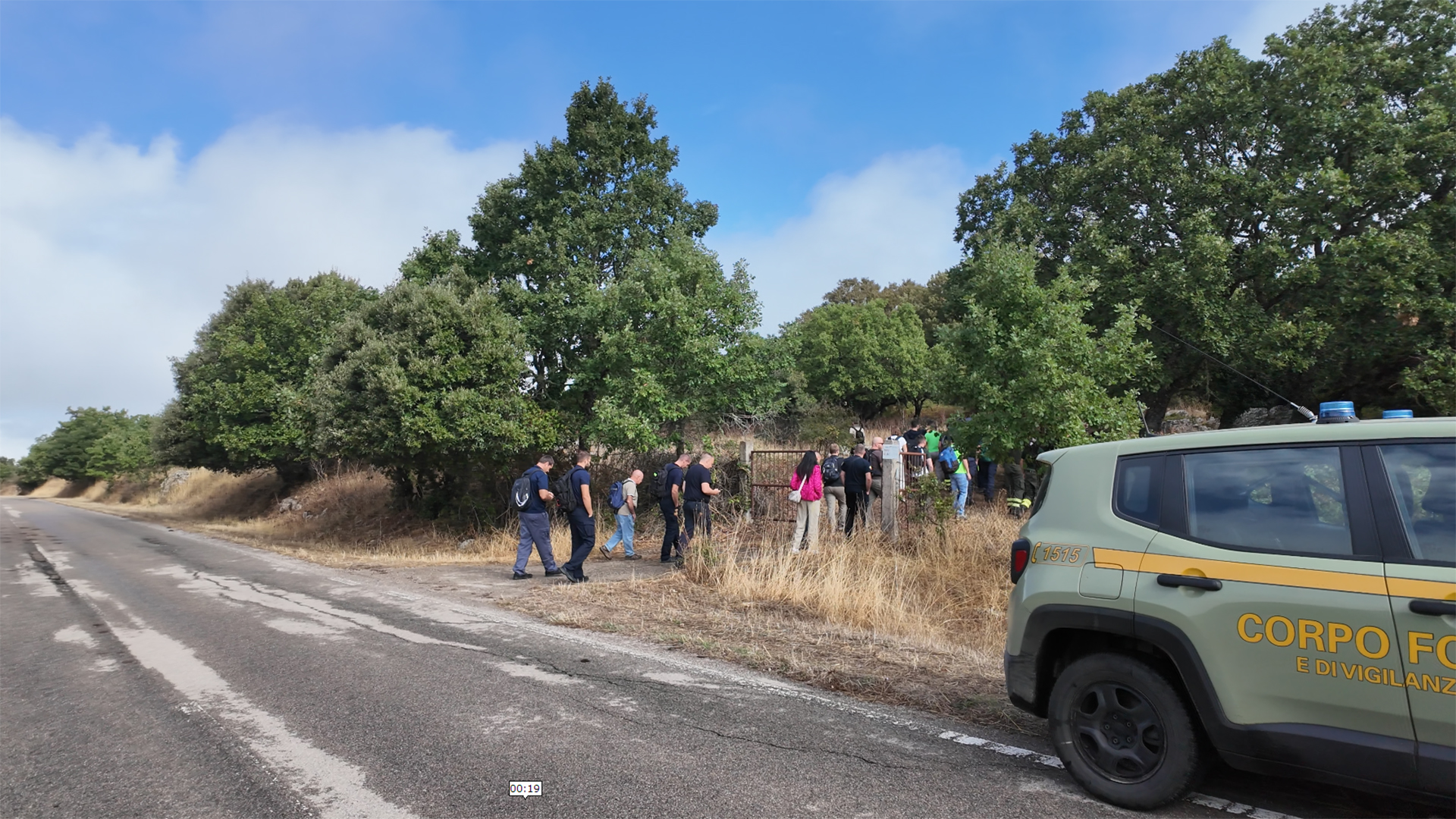
In the afternoon, the field trip took on a more hands-on nature with a visit to the area affected by the Bono fire in the summer of 2026—the same event that had been analyzed the previous day at the CNR.
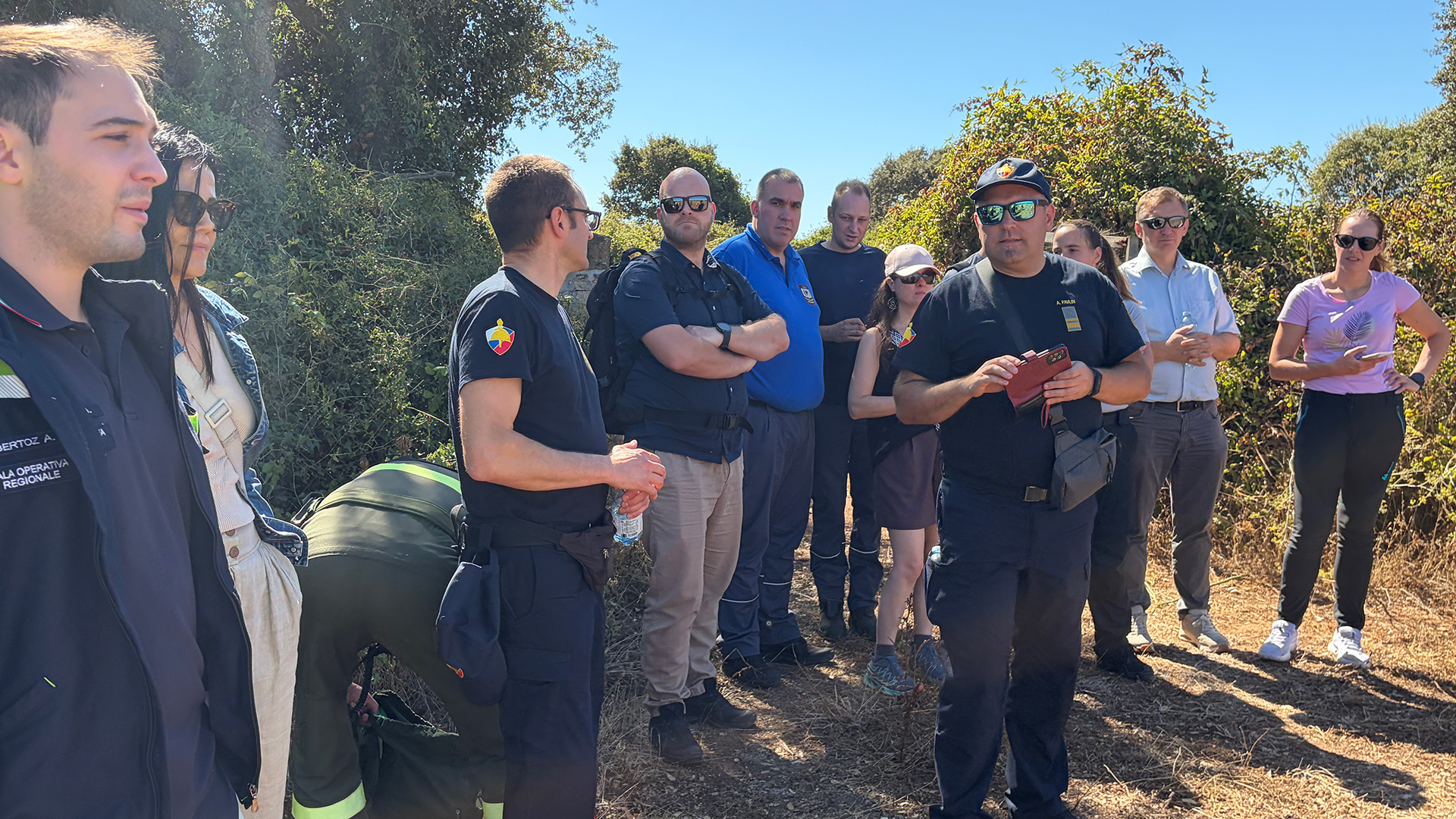
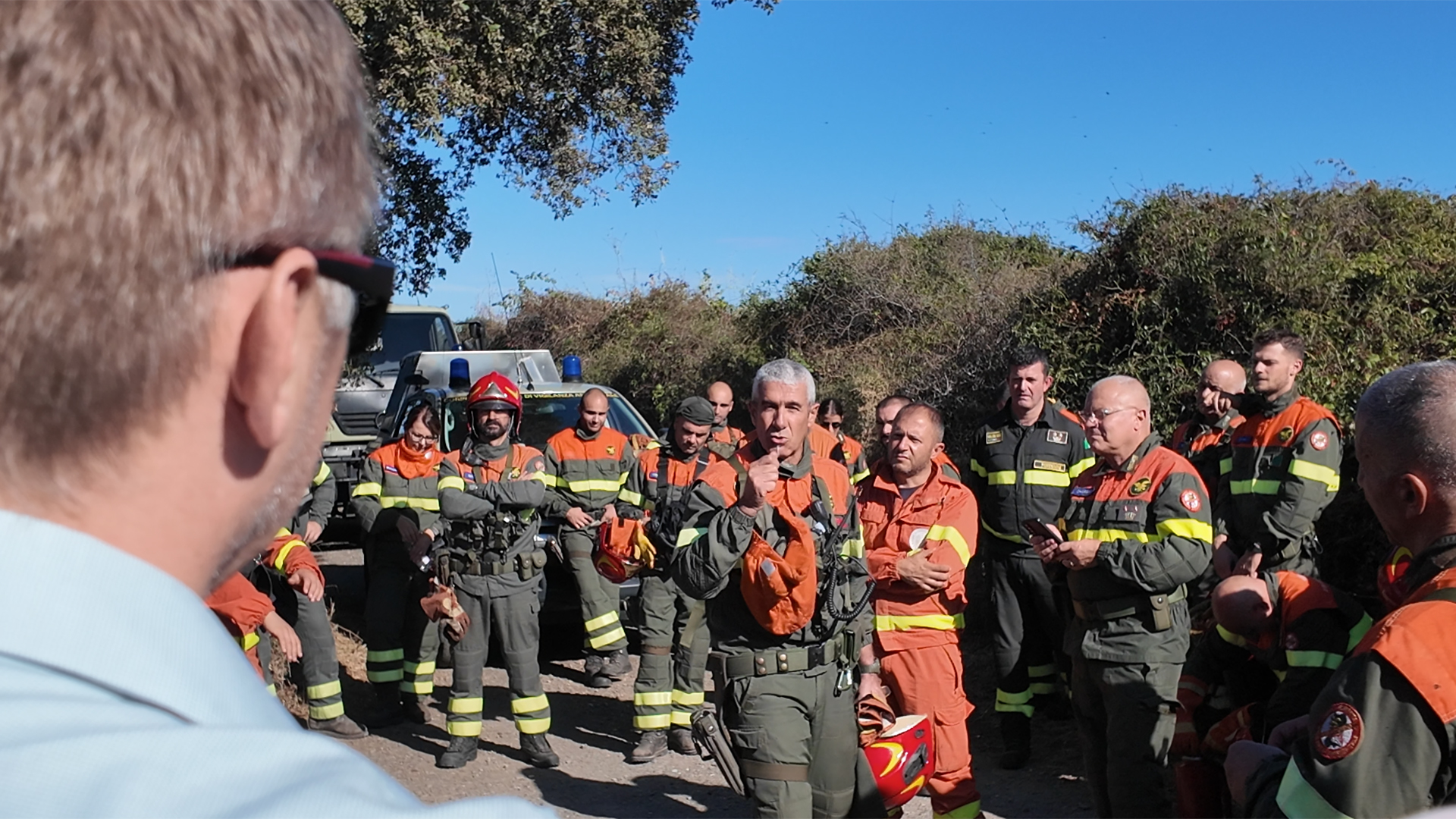
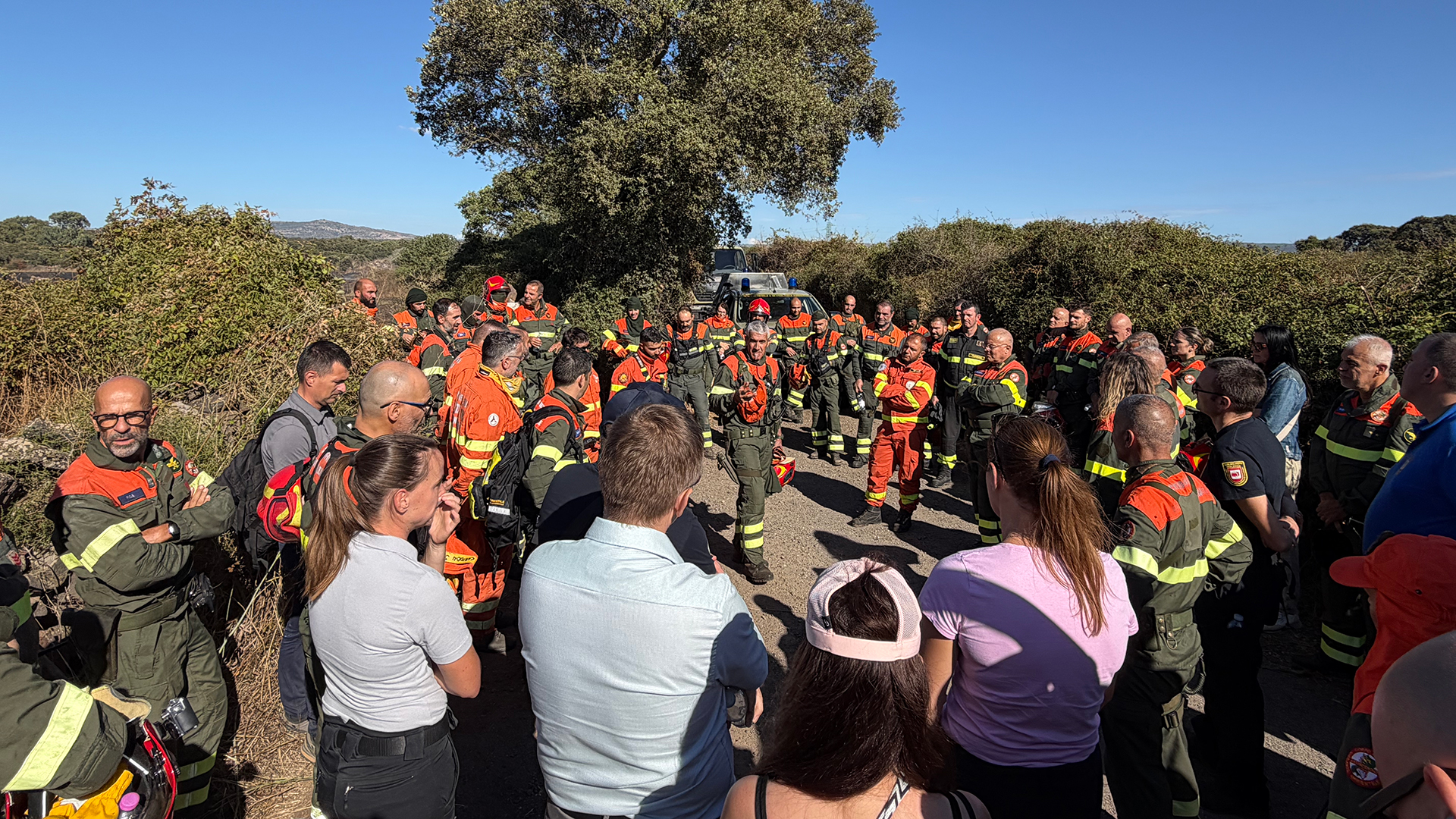
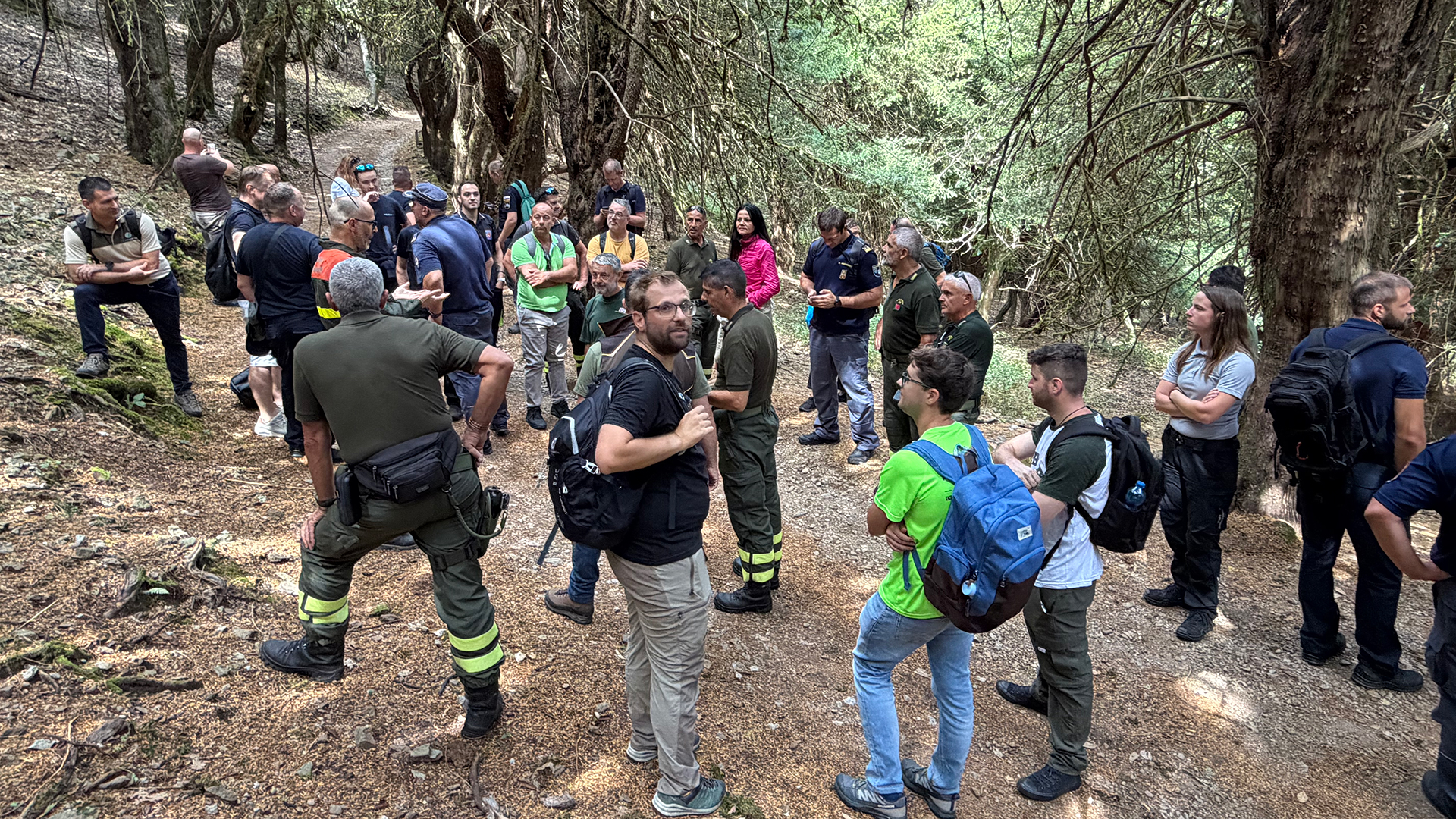
At the scene, Forest Service personnel reconstructed the main events of the fire, explaining how the flames spread, the area’s topography and vegetation, and the strategies used in firefighting operations.
The steep slopes, forest cover, and difficult access have made it clear just how much fire management depends on a thorough understanding of the environment in which a fire develops.
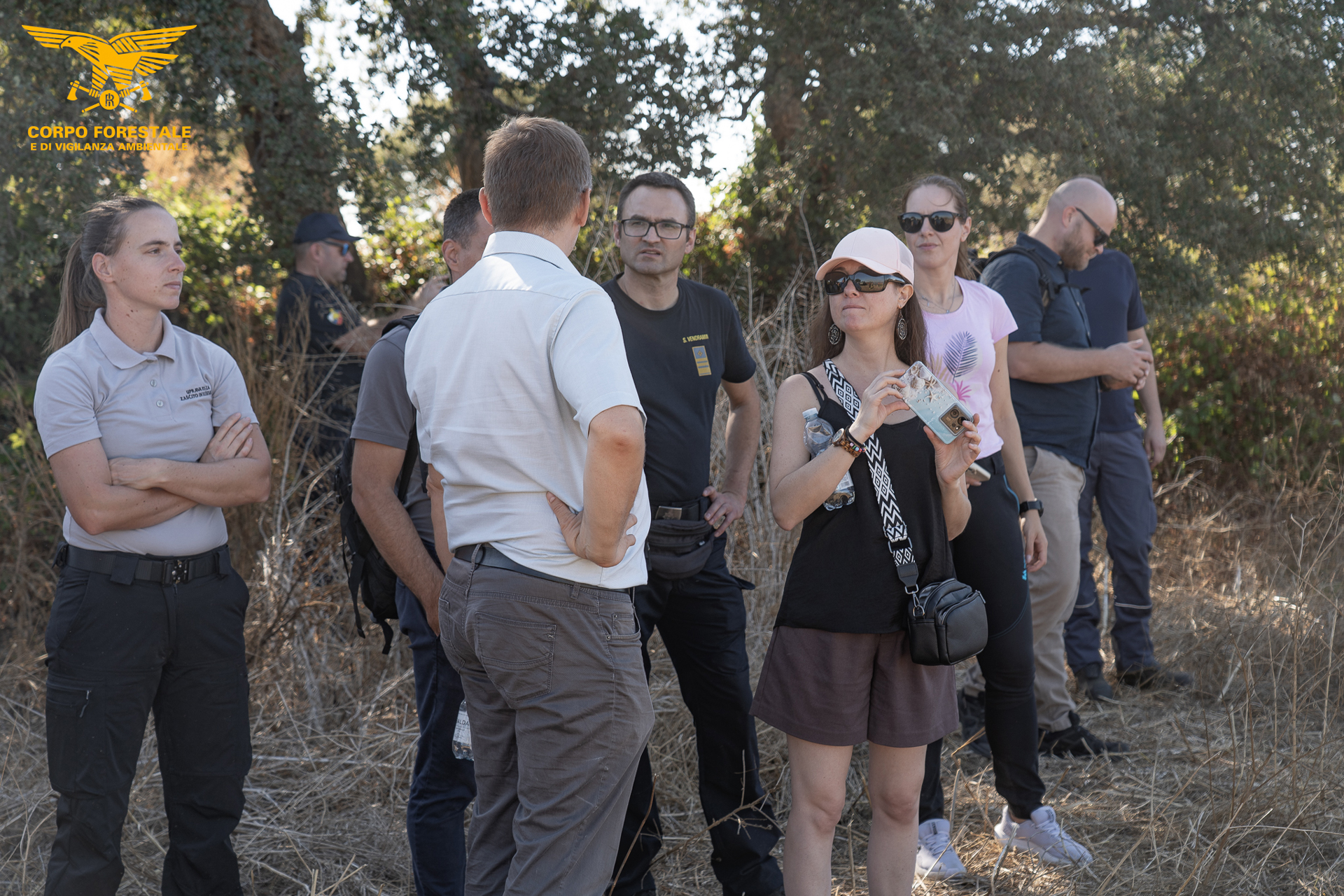
For participants from Italy and Slovenia, the site visit provided an important opportunity to exchange views with Sardinian professionals: observing the effects of the fire firsthand and discussing them at the affected sites allowed them to transform their operational experience into shared knowledge.
Third Day in Suni: From Fire Prevention to the Technical and Controlled Use of Fire
The final day took place in Suni, where the study visit was part of a broader forum focused on land use planning and management.
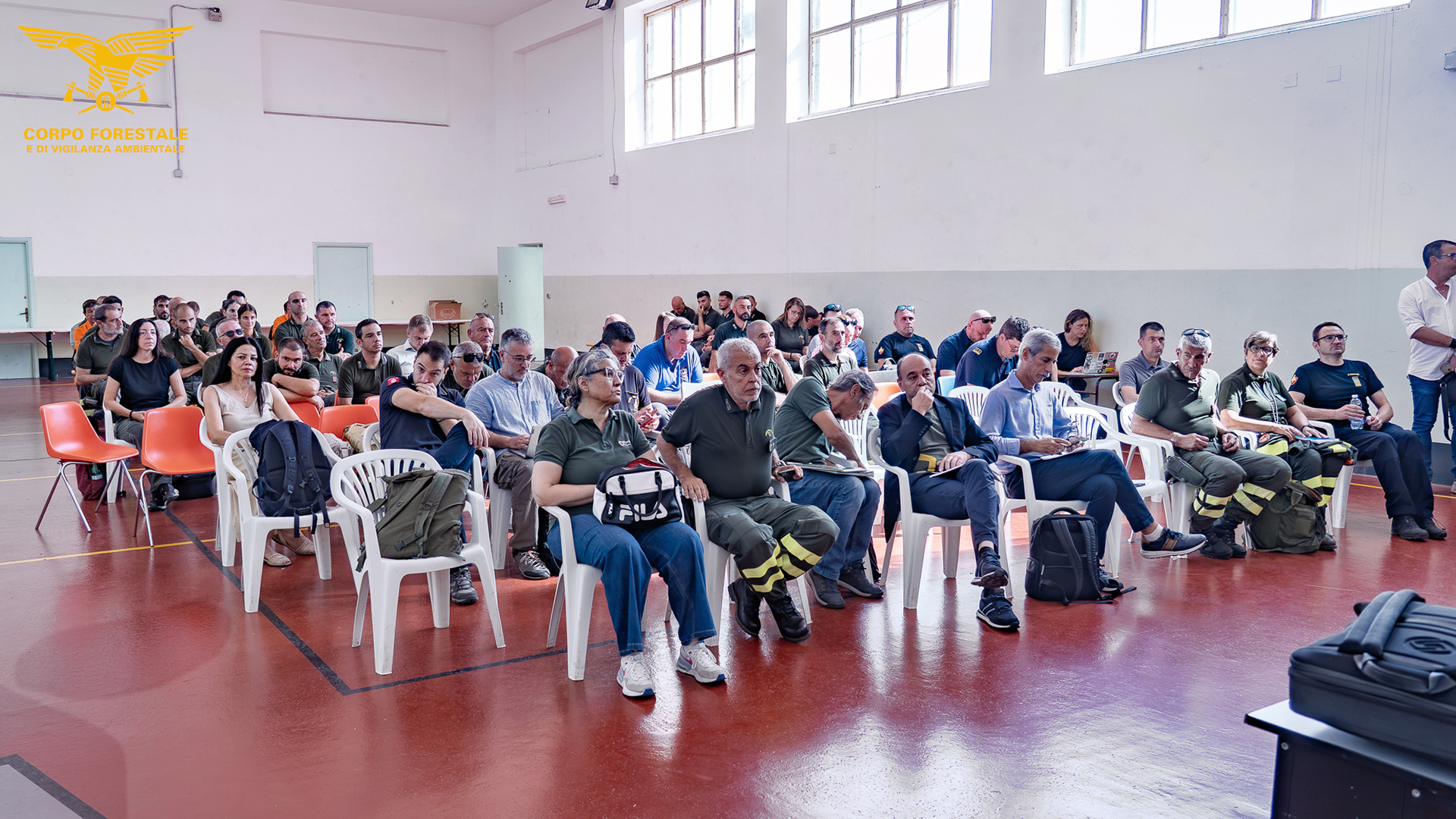
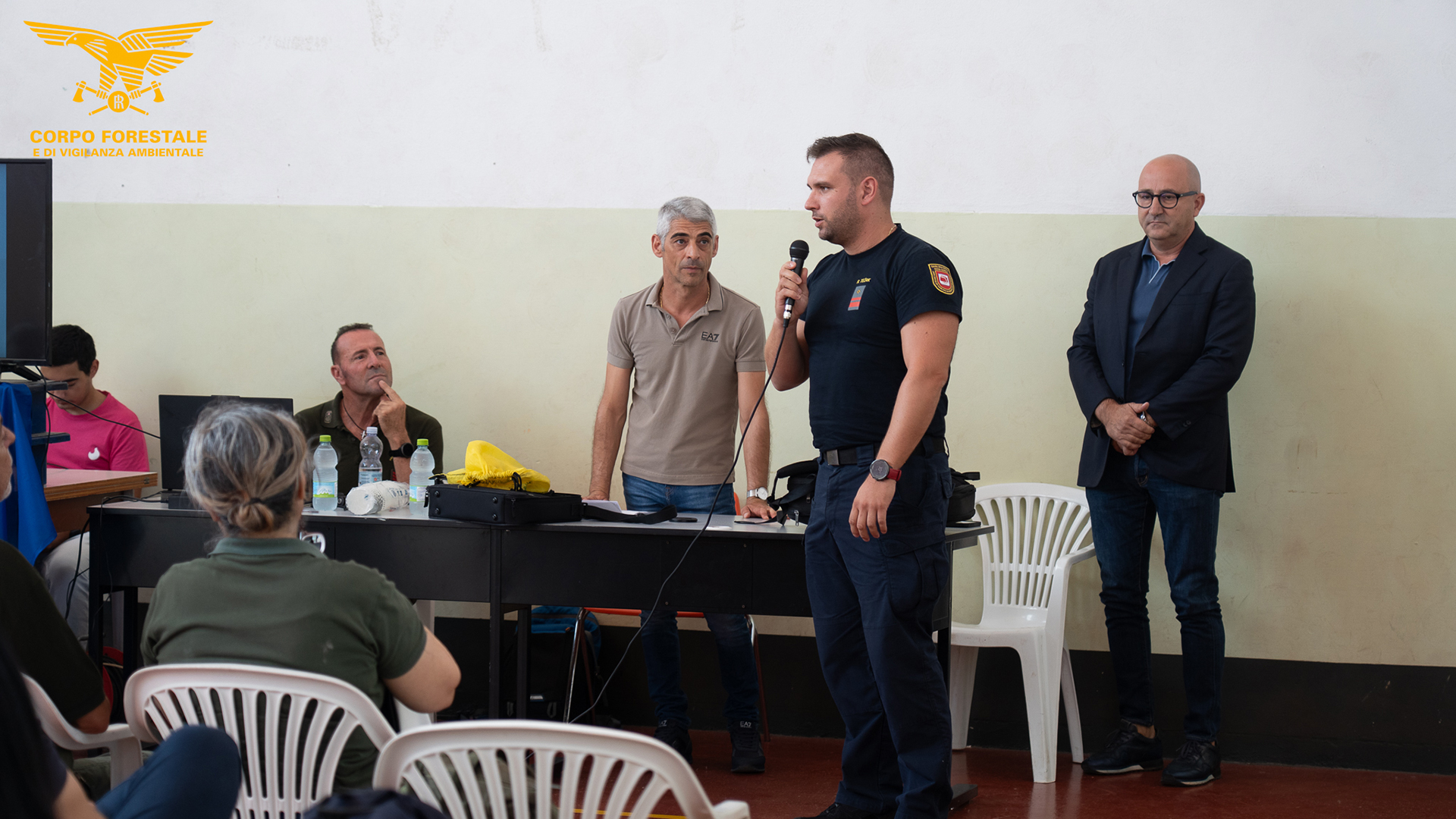
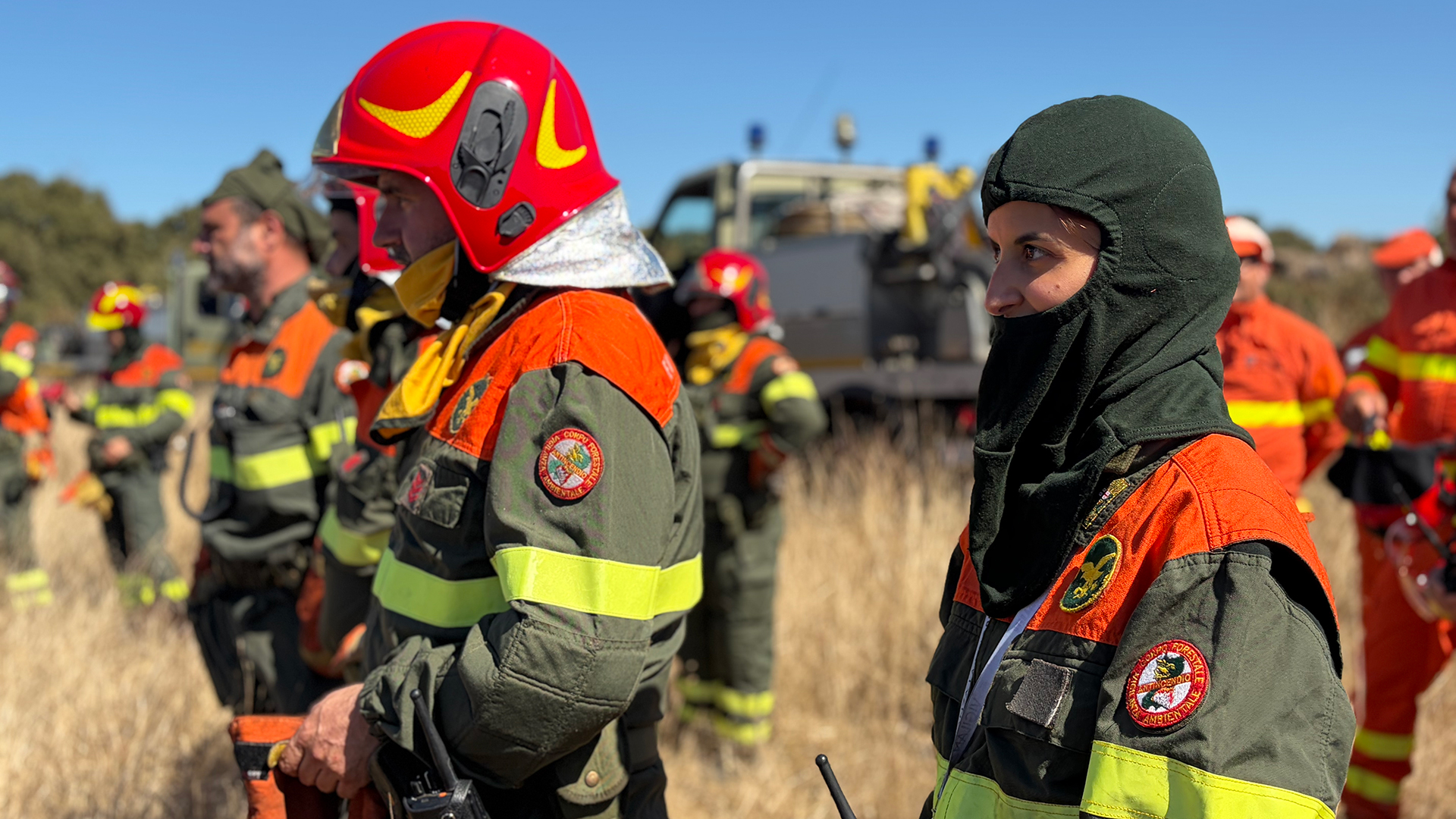
The conference opened with official remarks by the Mayor of Suni, Massimo Falchi,Regional Councilman Salvatore Cau, and Giovanni Angelo Masala, Councilman of the Province of Oristano, who welcomed approximately one hundred participants, including representatives of Sardinia’s Forestry and Environmental Protection Corps, participants in the study visit from Italy and Slovenia, officials, and guests.
The morning brought together diverse expertise and experiences around a common principle: an effective response to wildfires is built on knowledge of the terrain, preventive vegetation management, training for first responders, and coordination among the agencies involved.
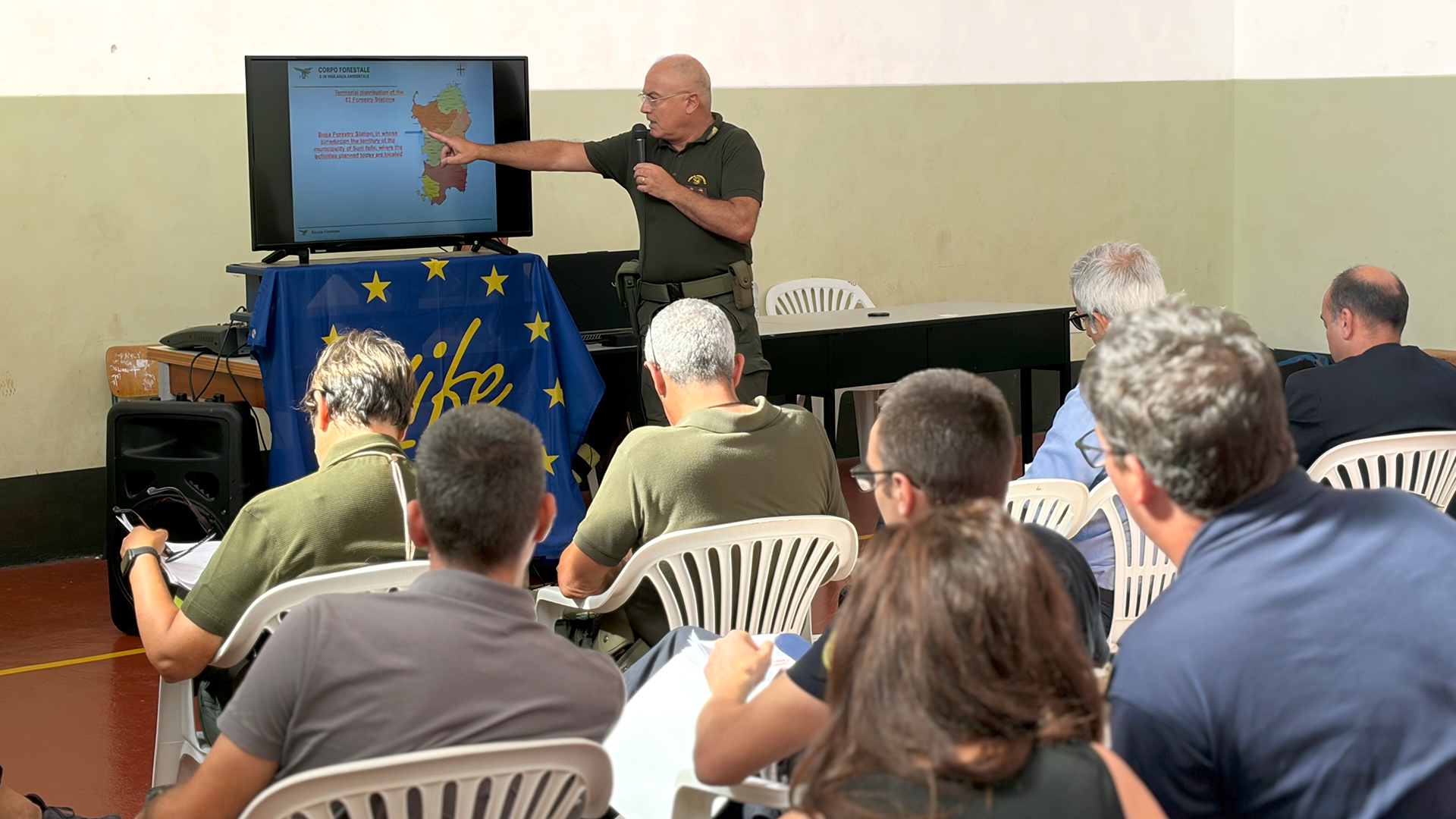
Michele Chessa, Director of the Territorial Service—Oristano Regional Inspectorate of the CFVA—discussed the experience gained in Sardinia regarding vegetation management and the use of prescribed burning as a preventive measure. Central to his presentation was the importance of collaboration among institutions, operators, local governments, and rural communities to proactively manage the quantity and continuity of plant biomass.
Stefania Murranca, Senior Commissioner of the CFVA and Director of the Fire Prevention and Logistics Service, emphasized the importance of knowing the local area and sharing experiences gained in the field as fundamental elements for strengthening prevention and response capabilities.
The presentation by Maurizio Malloci, Director of the Oristano Regional Office of the Fo.Re.S.T.A.S. Agency, highlighted the work carried out throughout the year: maintenance of forest areas, vegetation management, creation of firebreaks, training of personnel, and collaboration with the various components of the fire prevention system.
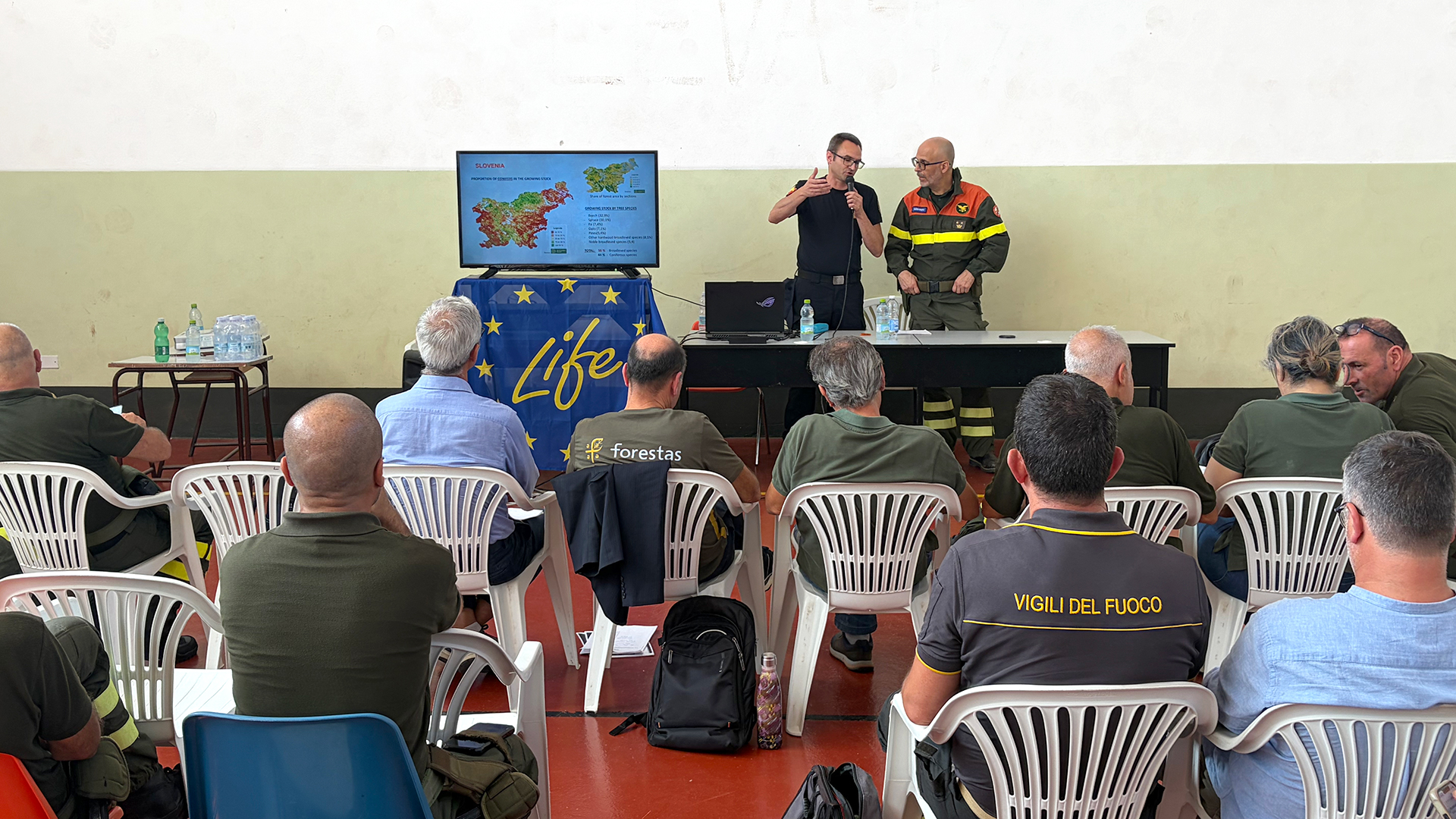
The discussion then expanded to include the experiences of Friuli-Venezia Giulia and Slovenia, with presentations by Simon Vendramin of Gasilska Enota Nova Gorica, who outlined certain aspects of how the Slovenian fire department operates, and by Alessandro Bertoz of the Civil Protection Agency of the Autonomous Region of Friuli-Venezia Giulia, who presented the regional forest fire management system, based on a comprehensive local network, regional operational coordination, and a strong volunteer component, with 215 municipal Civil Protection groups and over 6,700 volunteers.
Martina Lavrič, from the Slovenian Ministry of Agriculture, Forestry, and Food, also presented the LIFE4ADAPT project, funded under the European Union’s LIFE Program, a European initiative focused on the environment and climate action, aimed at adapting to climate change and building territorial resilience in Slovenia.
Suni: Experience and Training in Fire Management
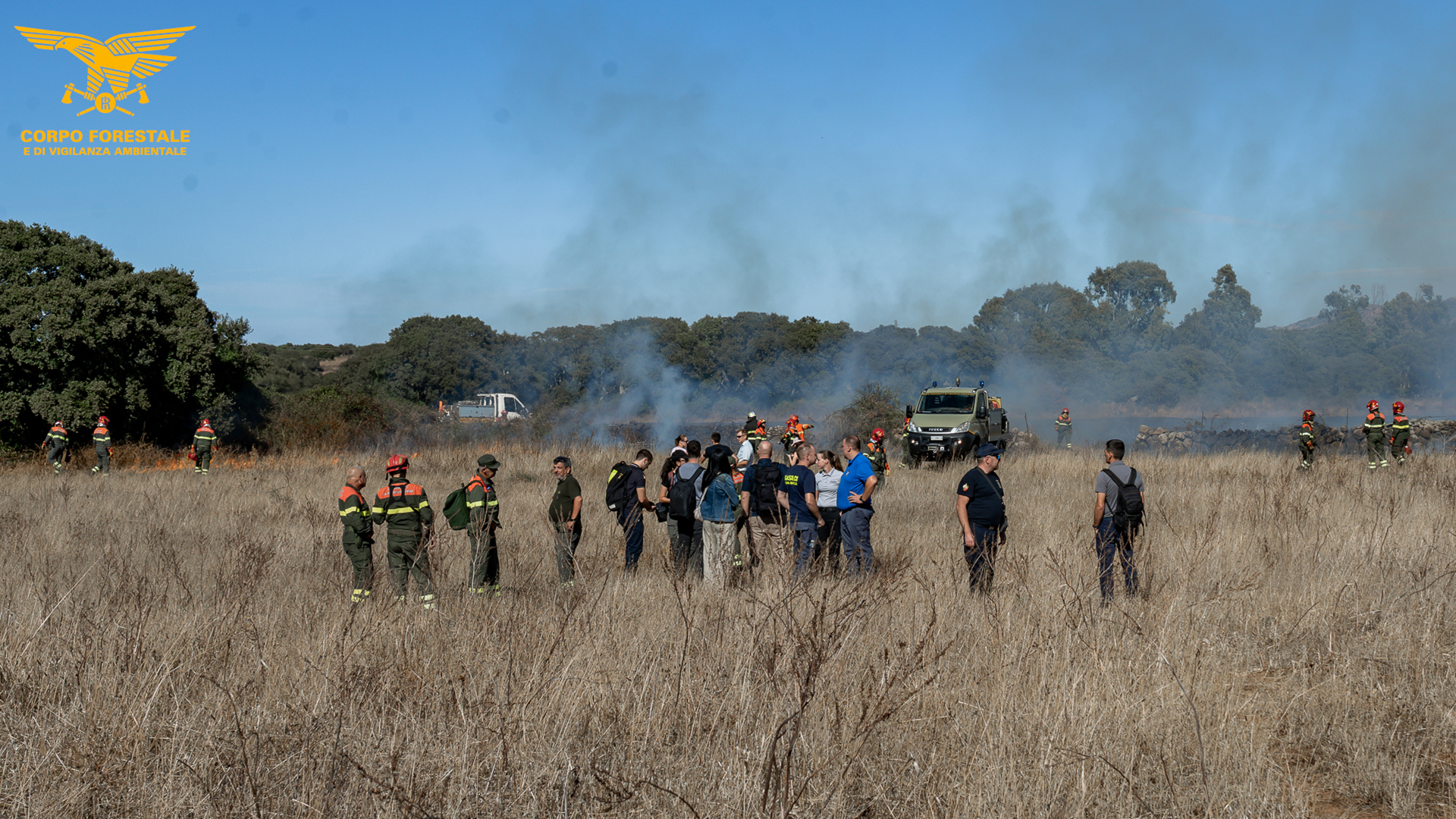
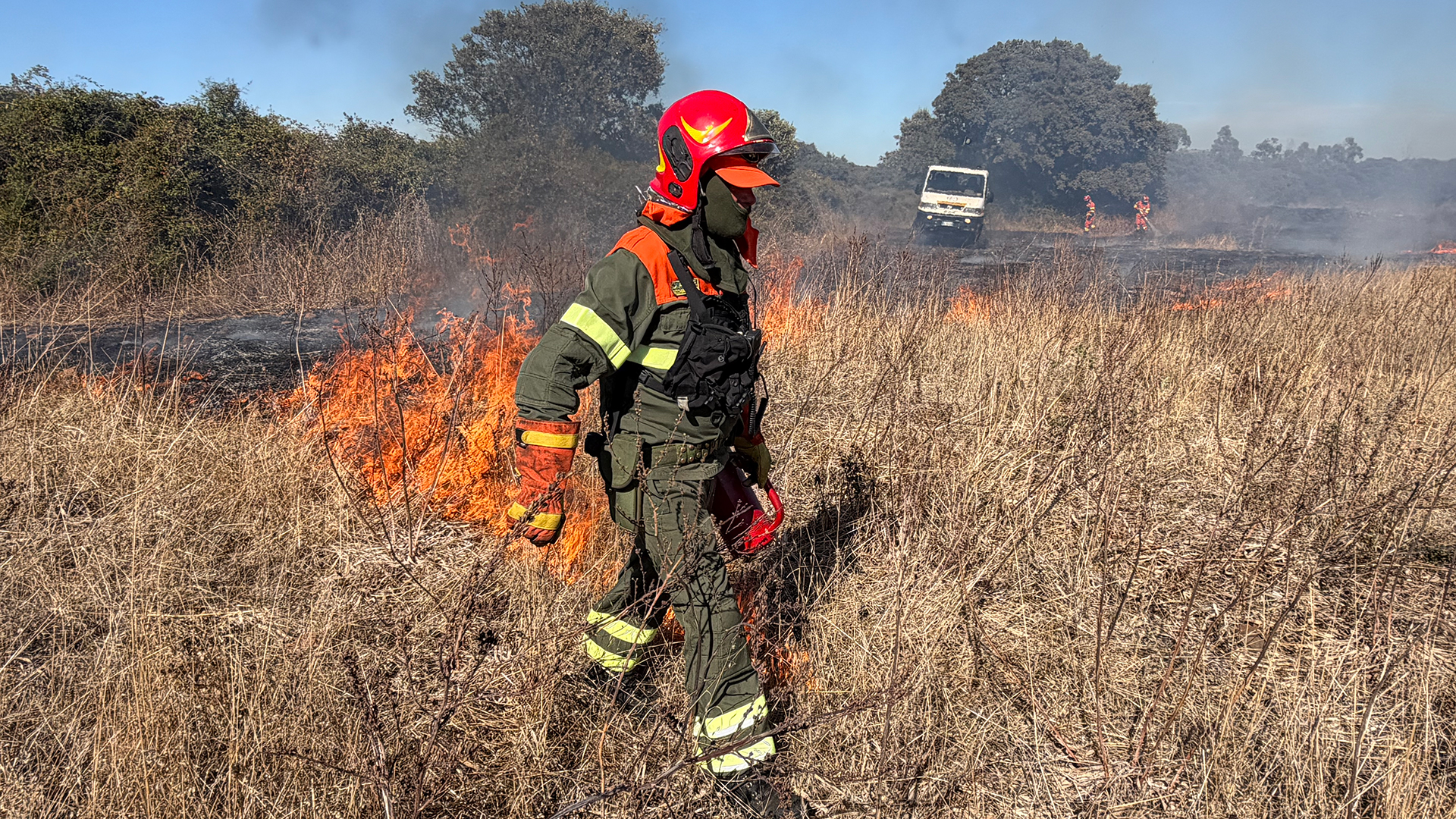
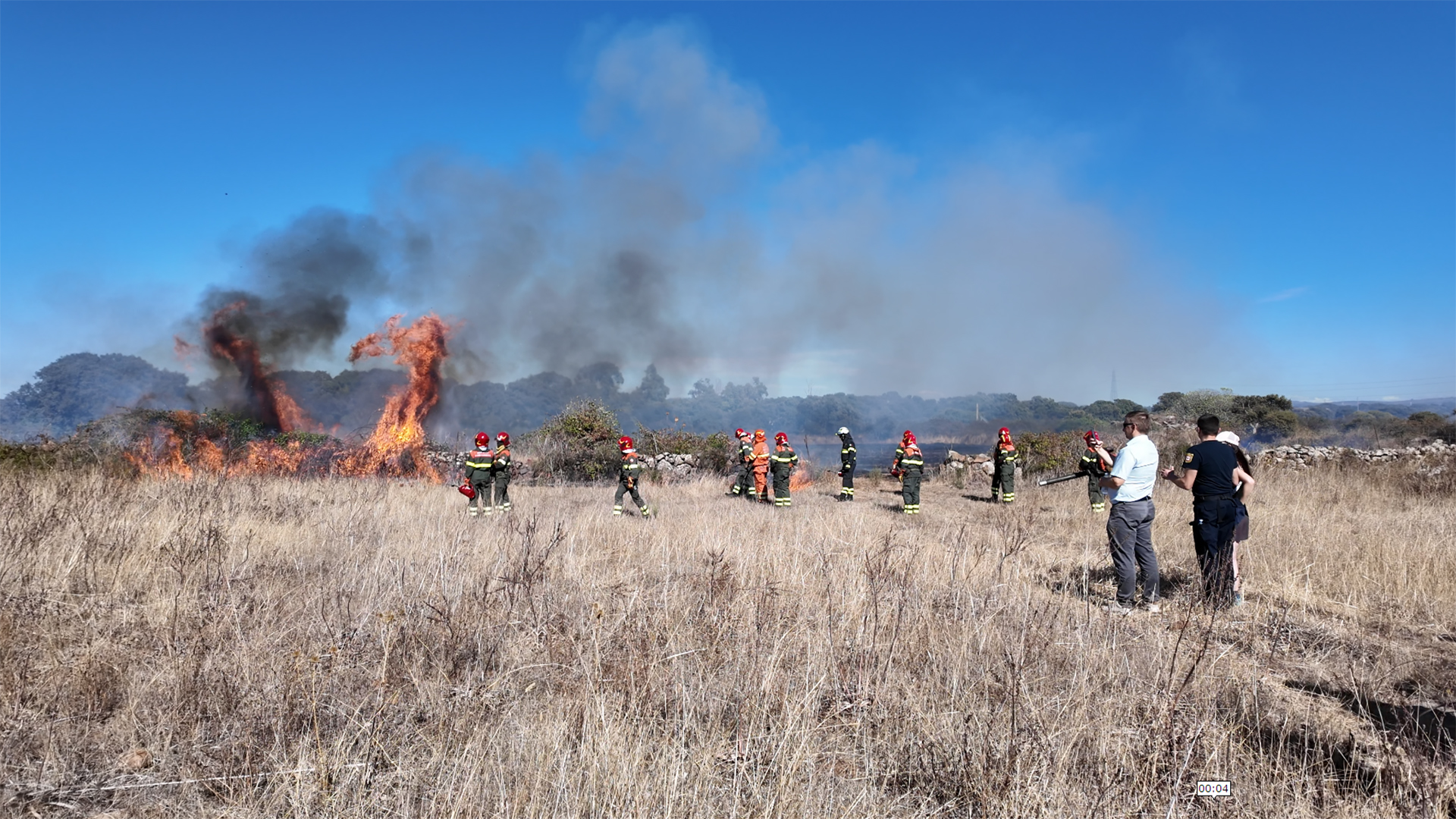
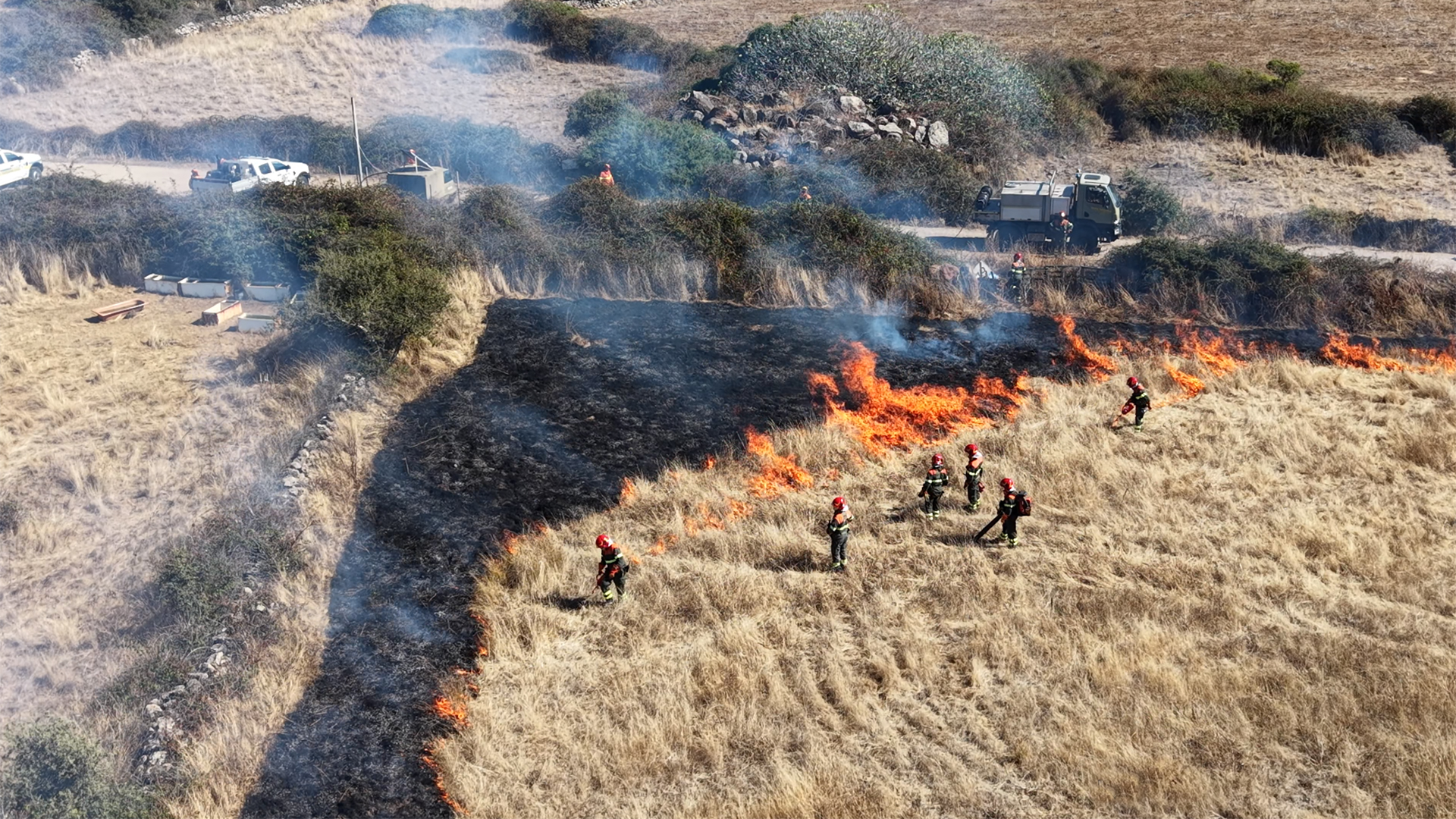
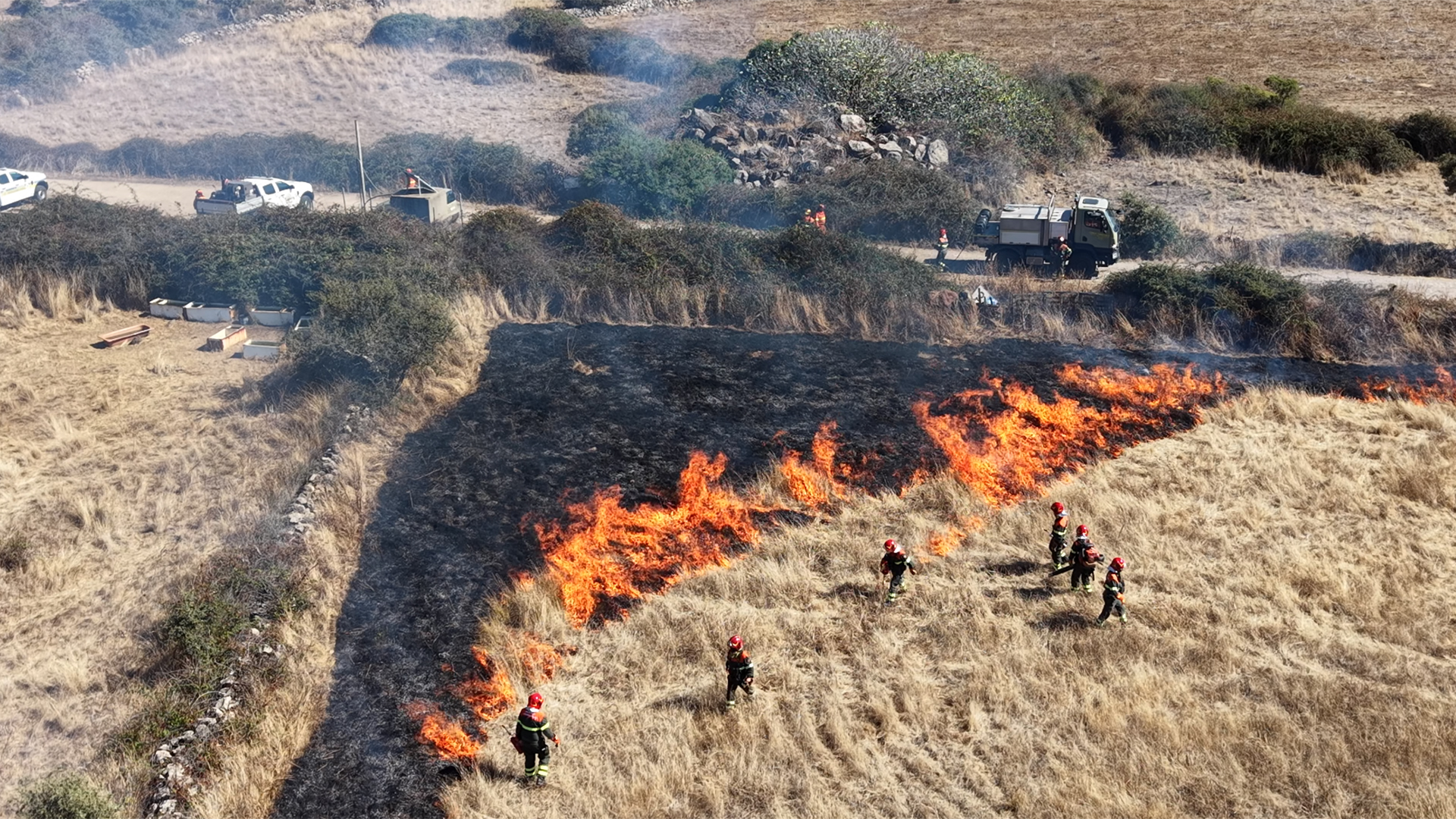
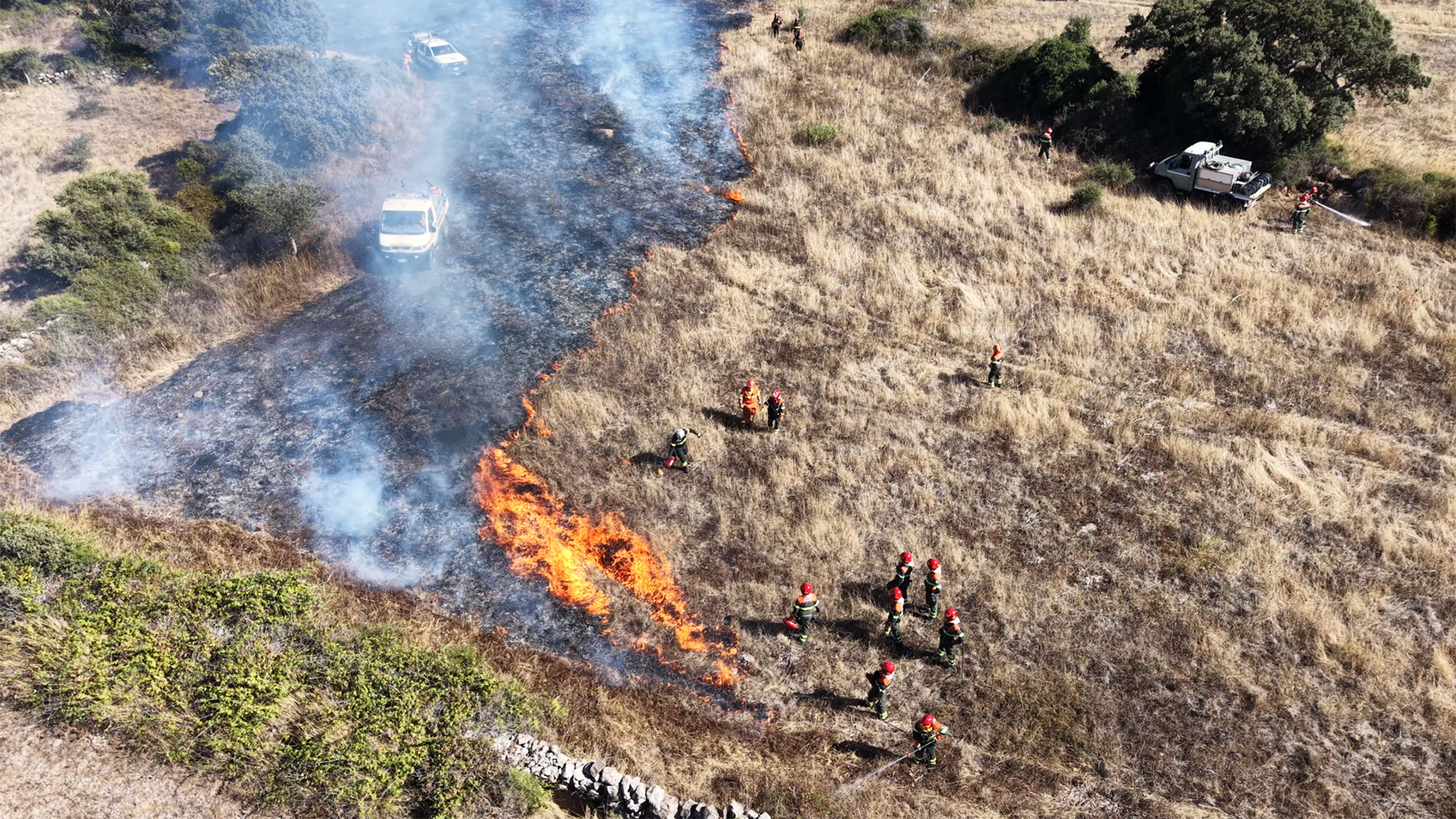
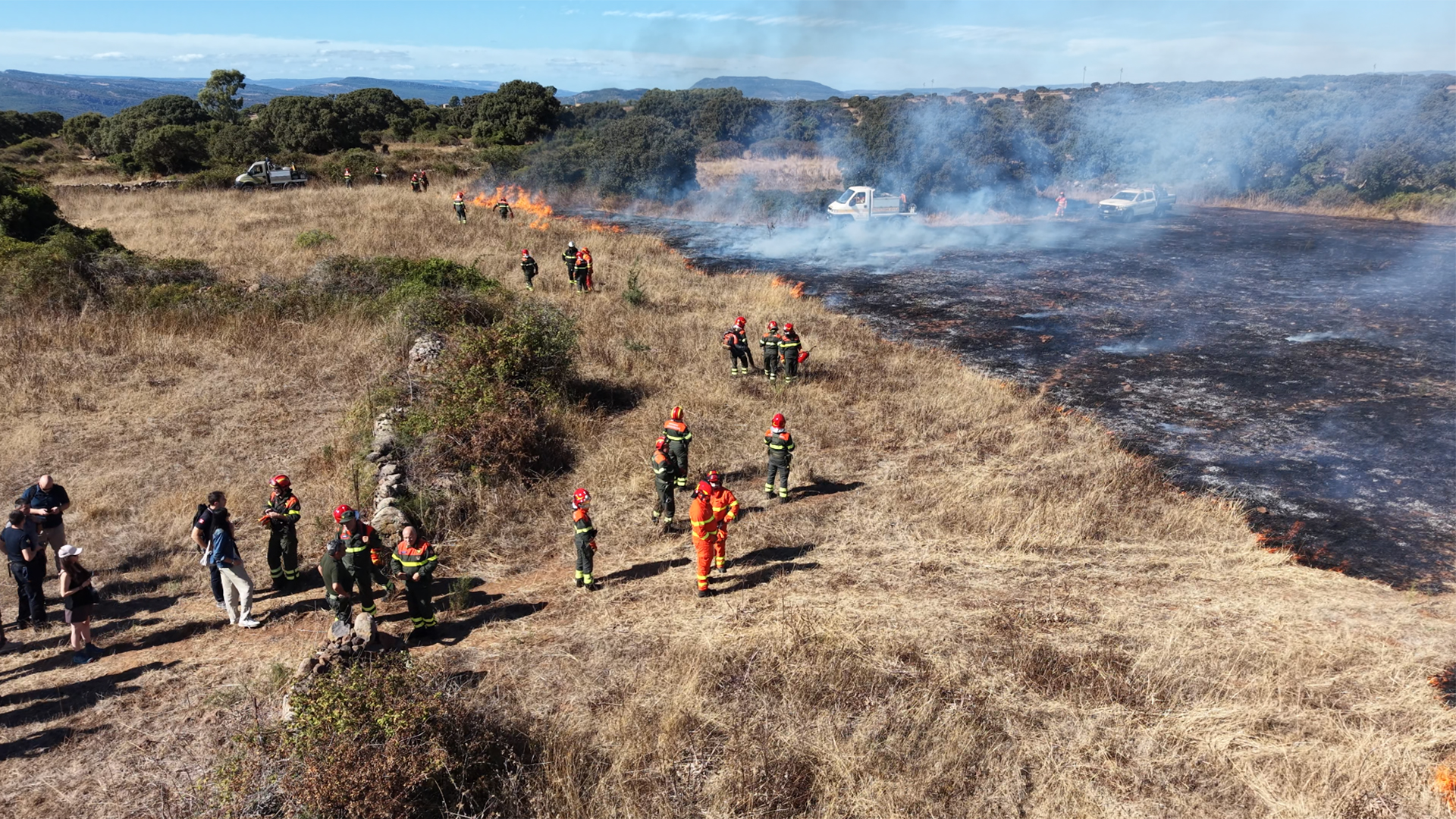
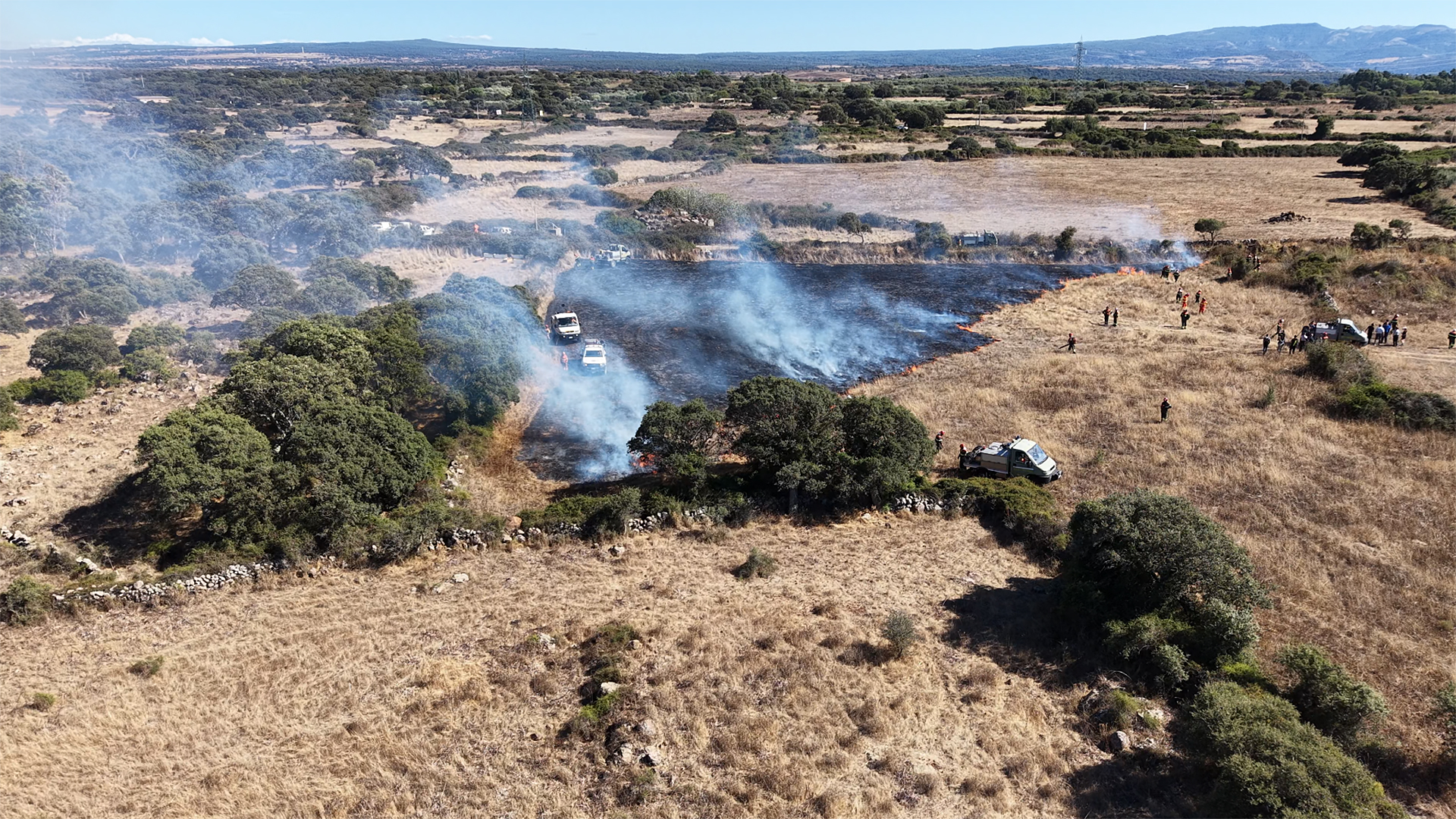
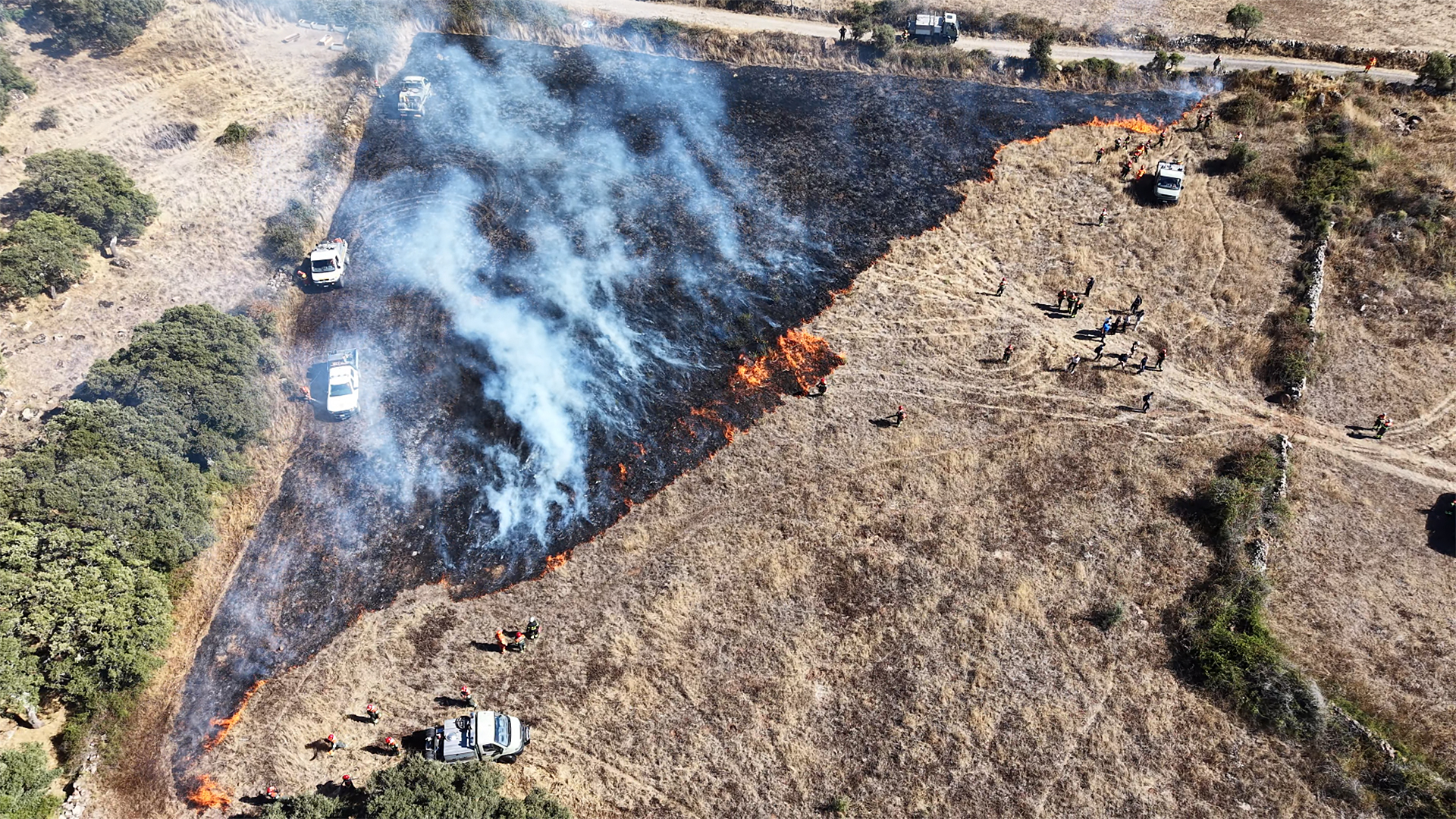
A specific in-depth analysis was devoted to the initiative developed right here in Suni, where, since 2011, the Forest and Environmental Protection Corps has been conducting prescribed burning activities through a collaboration involving the municipal administration, local stakeholders, and the agro-pastoral community.
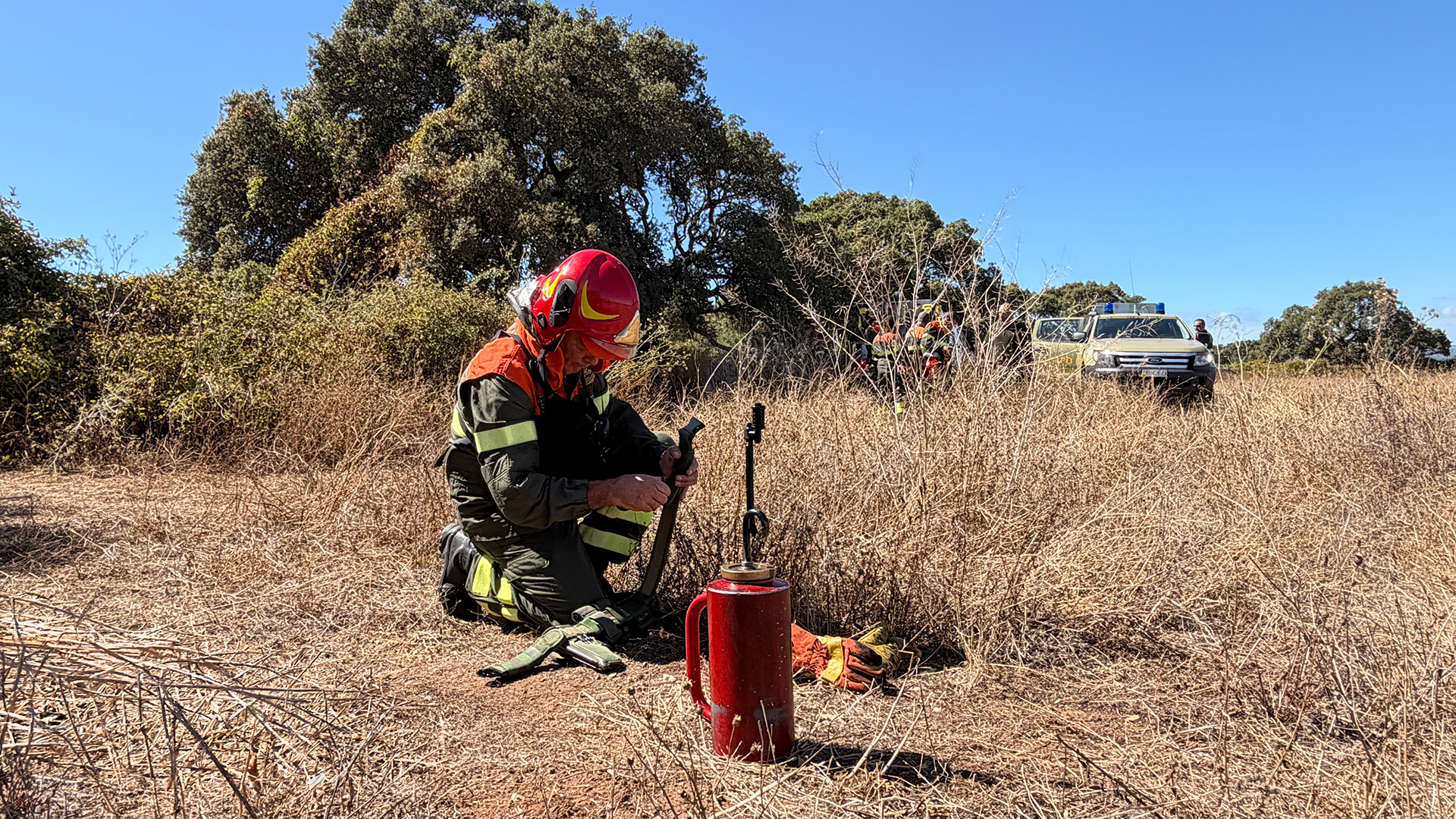
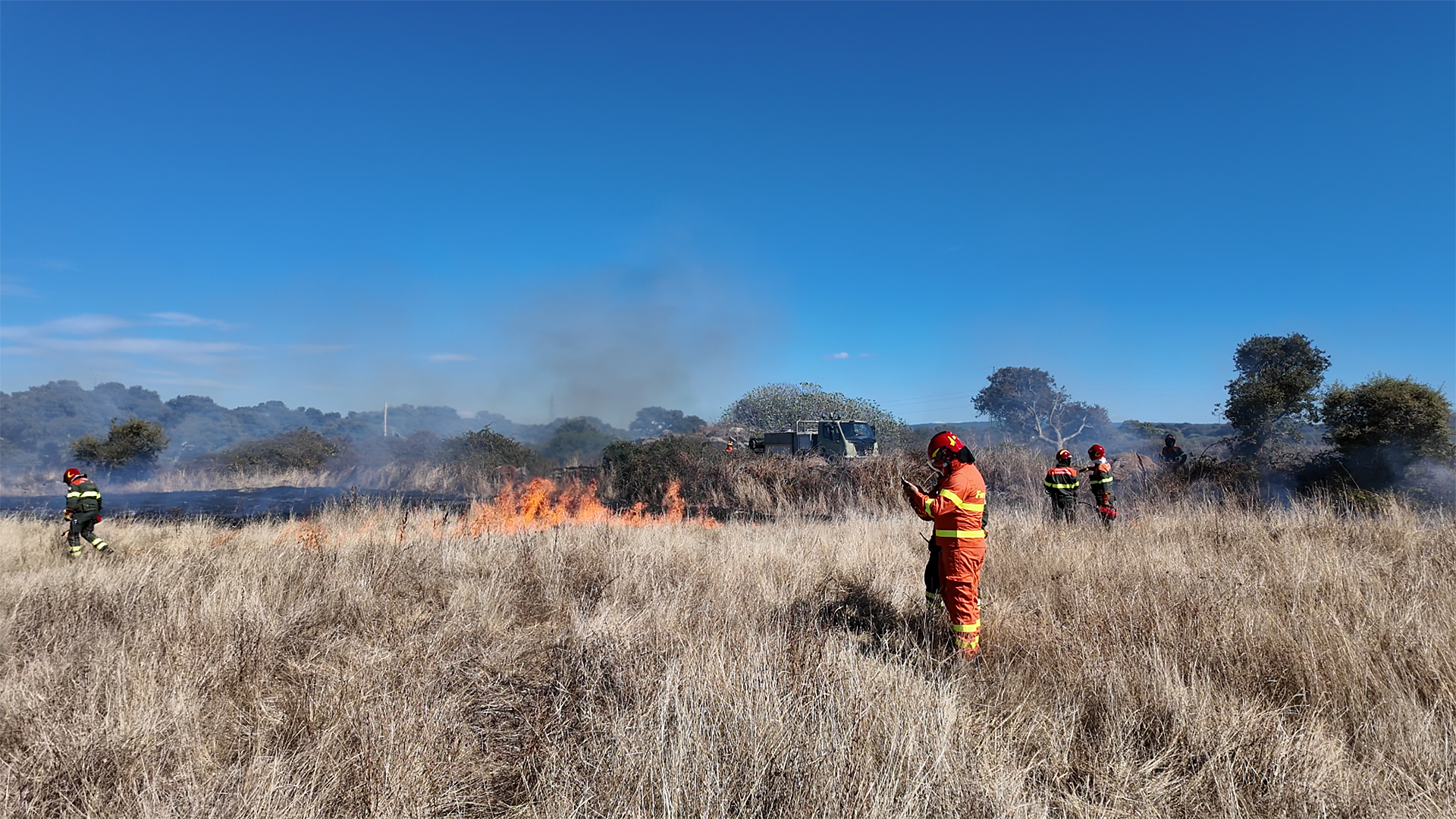
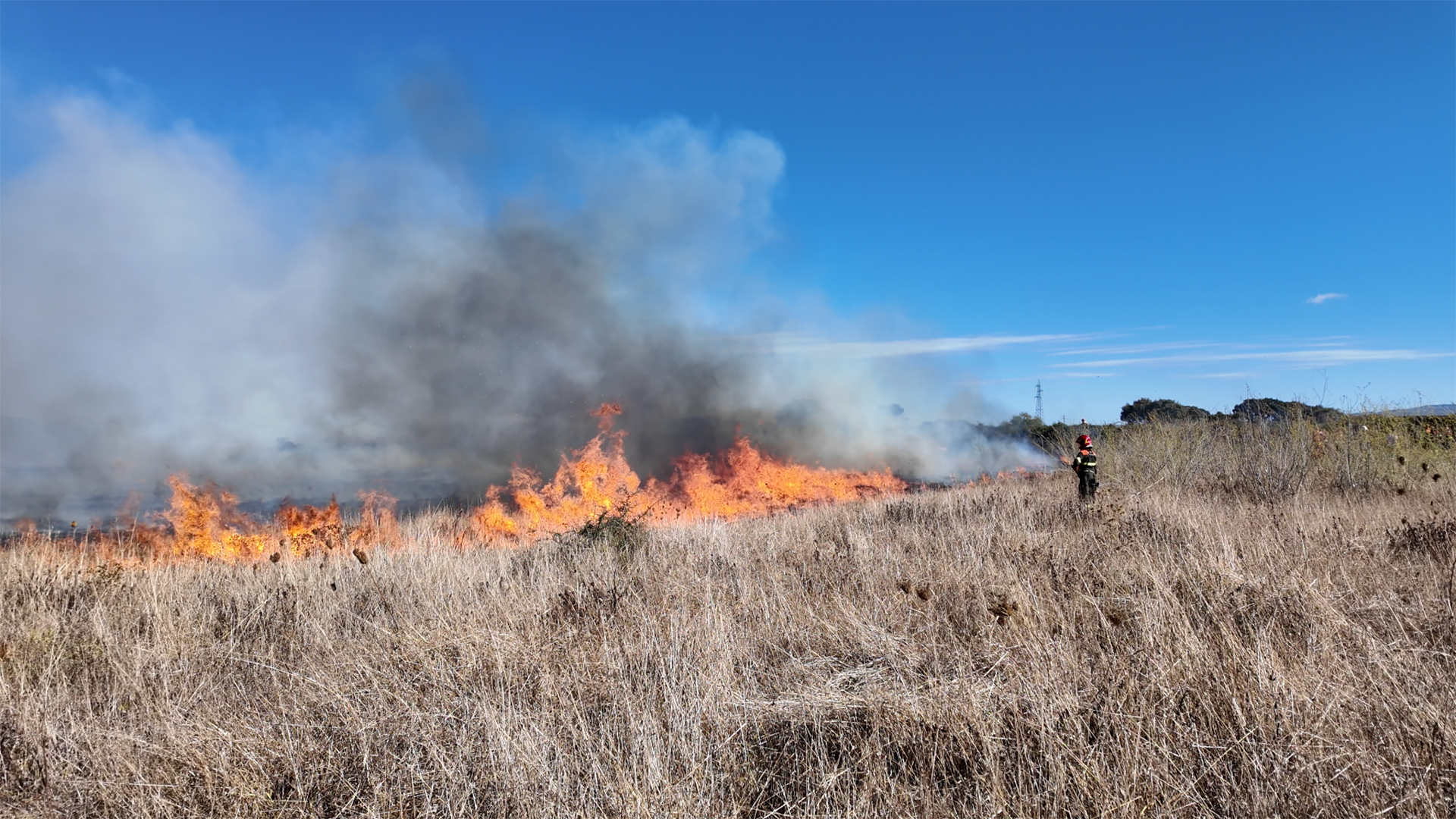
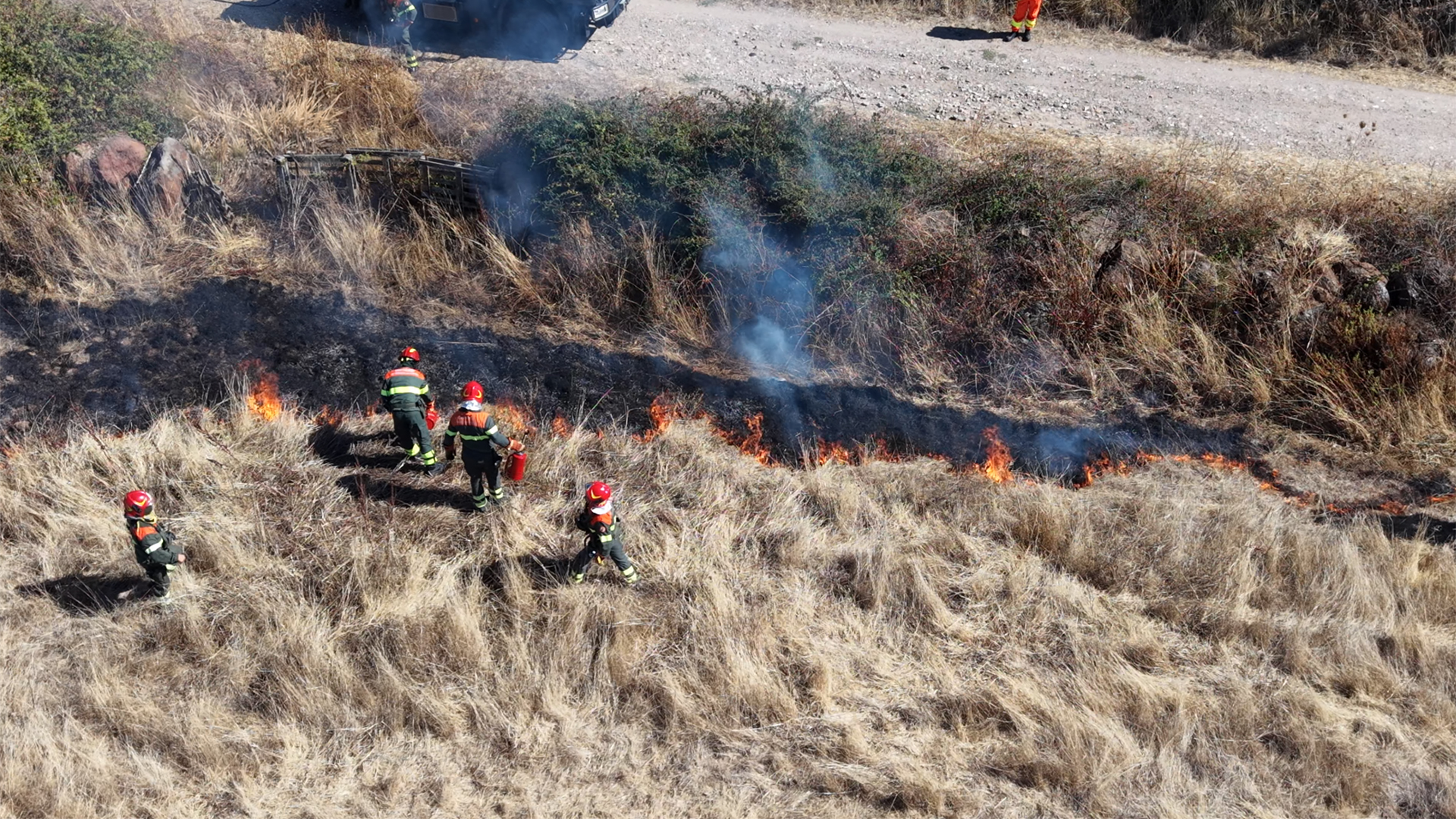
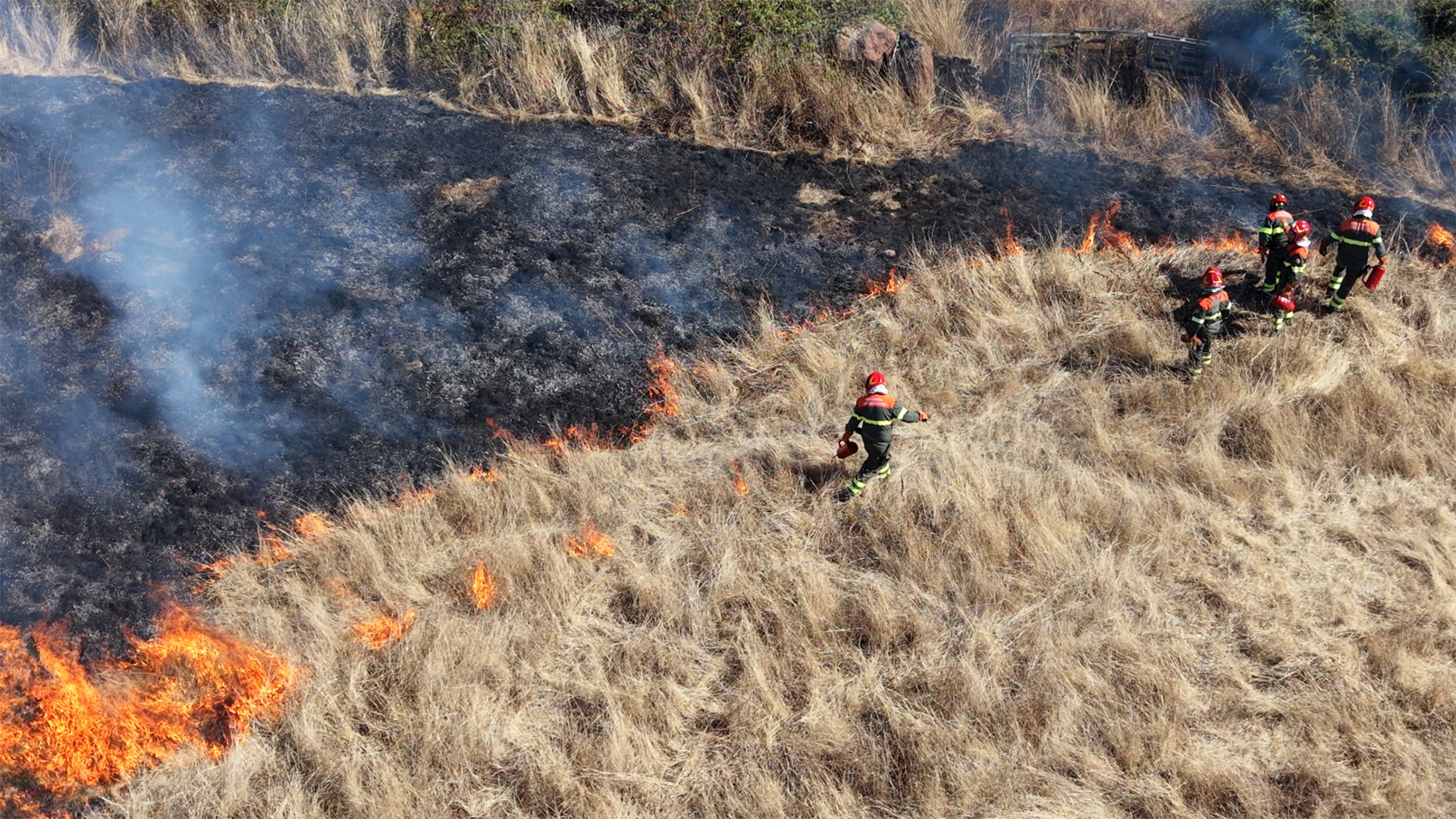
The principle involves the planned and controlled use of fire under specific conditions, with the goal of reducing the amount and continuity of potentially combustible vegetation while also contributing to the management of grazing areas.
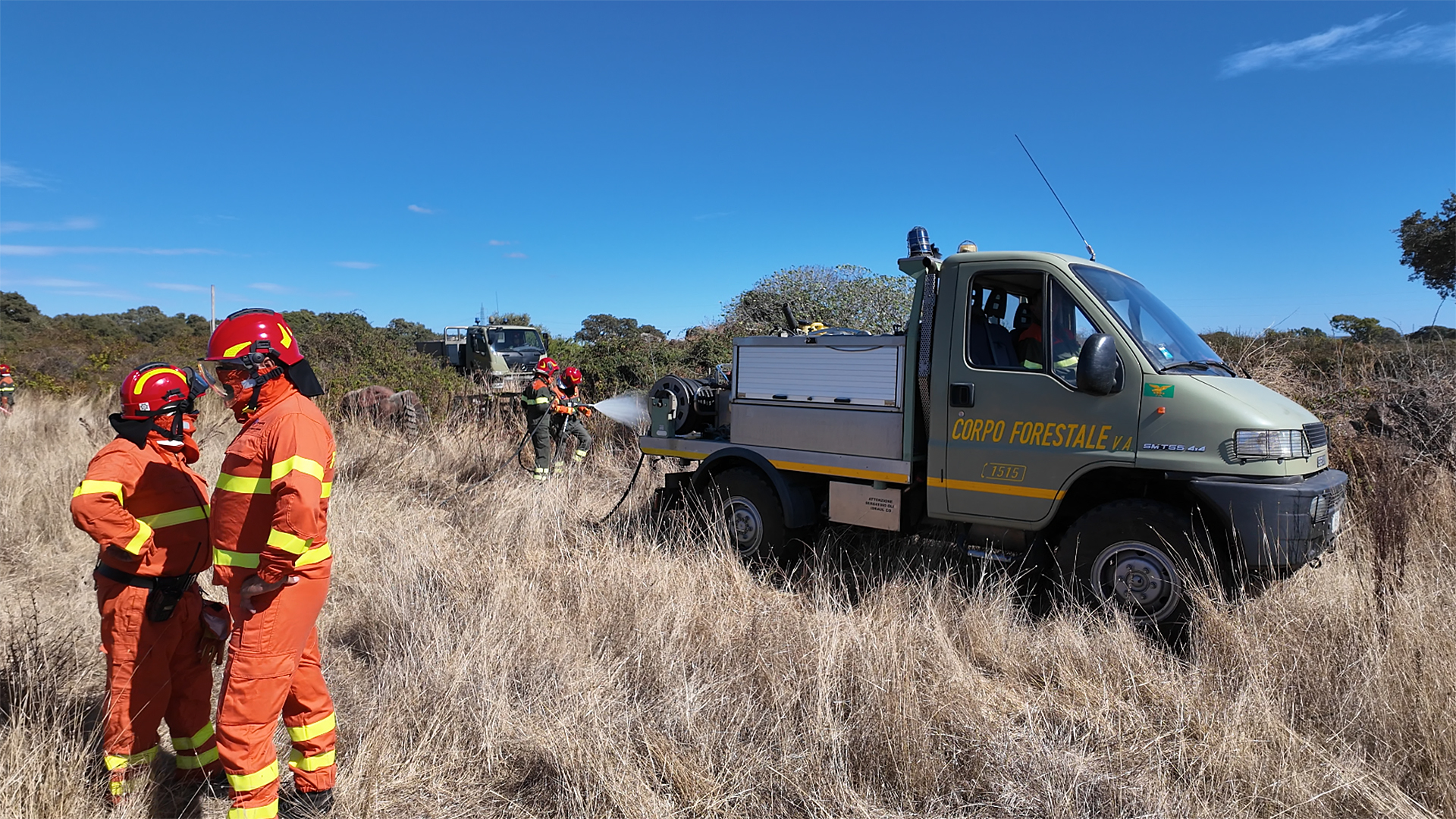
Over the years, Suni has also become a training and experimentation site for CFVA personnel and specialists from the GAUF—Fire Analysis and Use Groups. Since 2011, the CNR-IBE in Sassari has also been supporting the Forest Service in its research activities conducted in the area, fostering a direct link between scientific experimentation and operational experience.
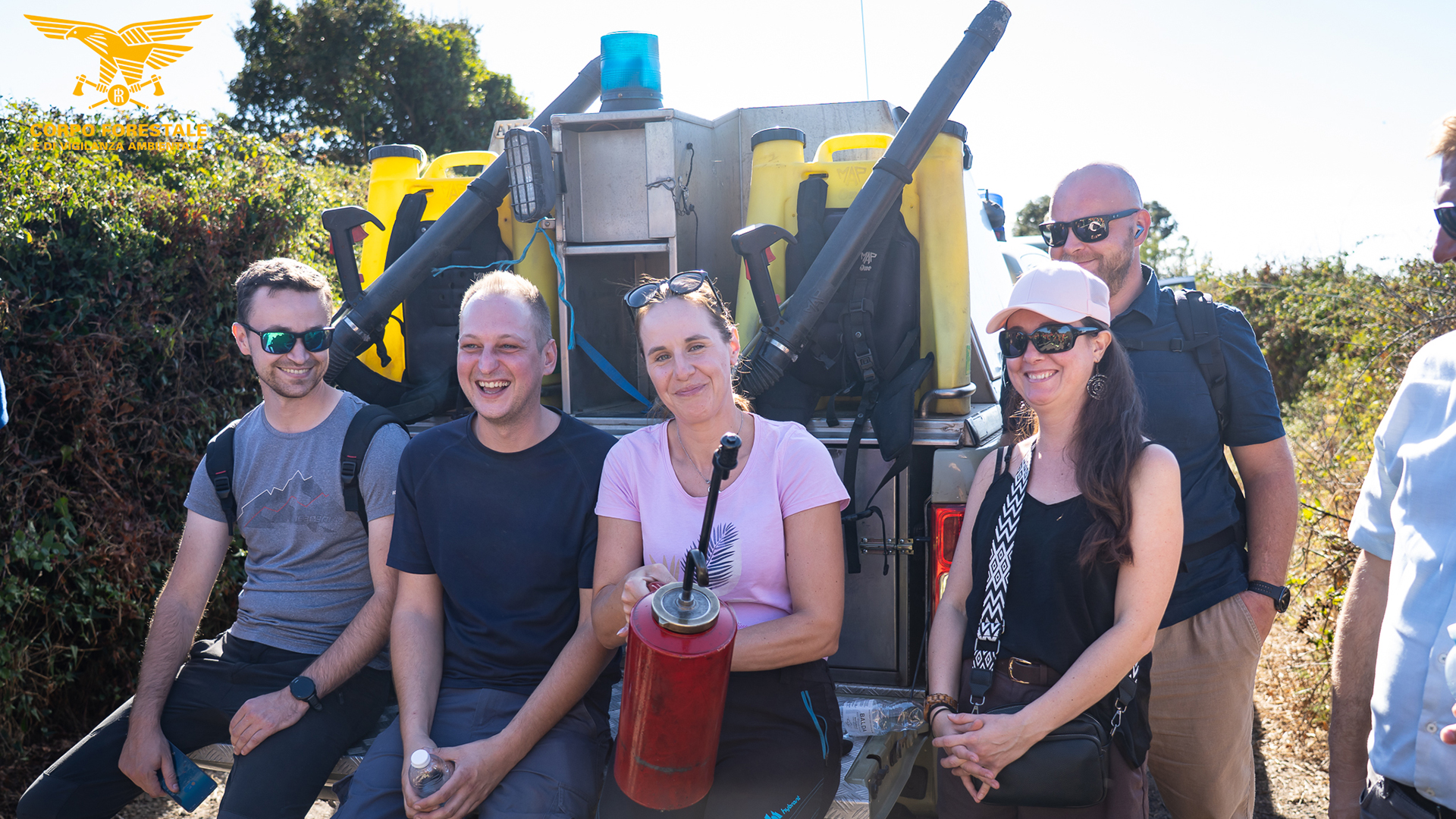
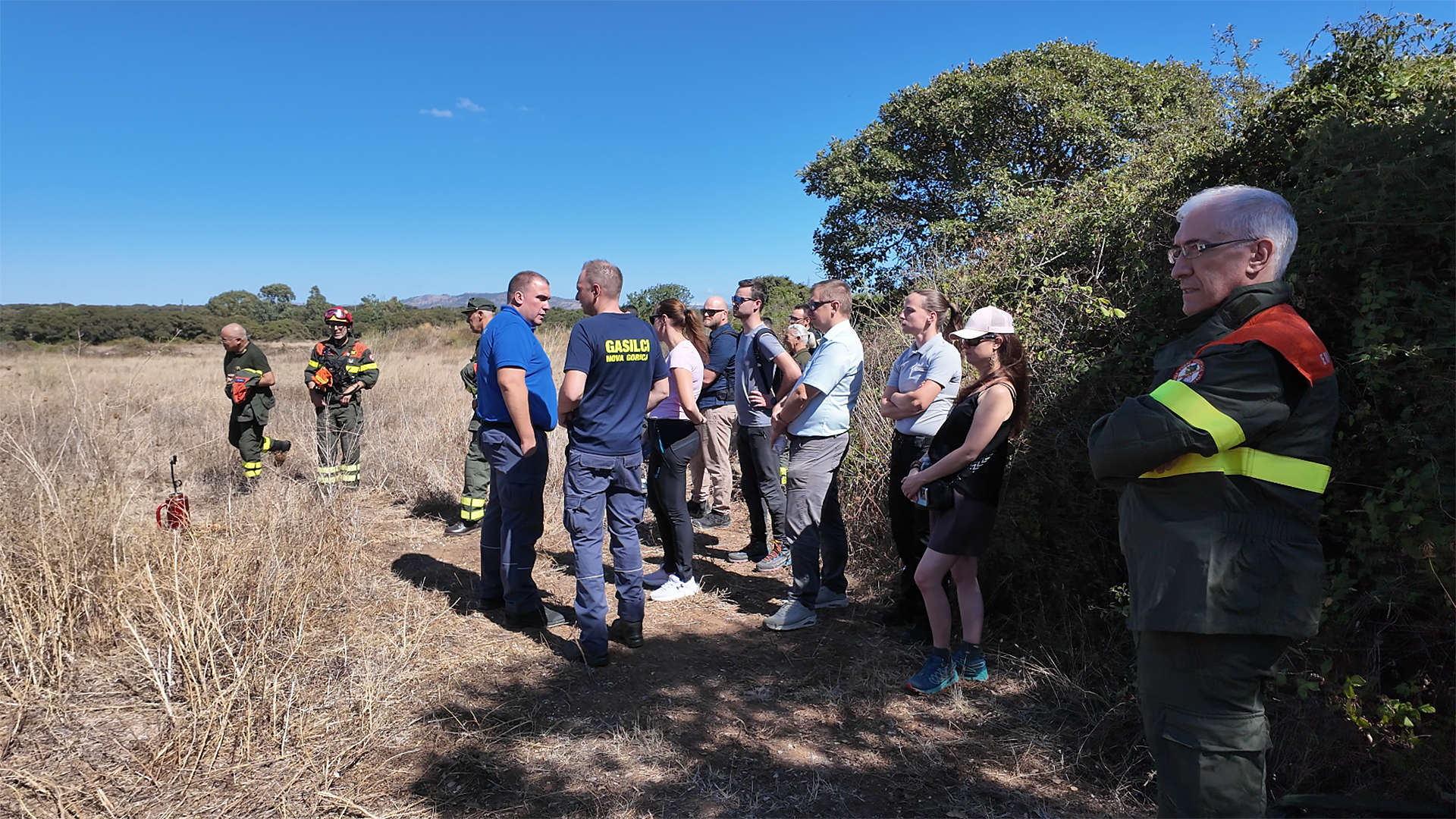
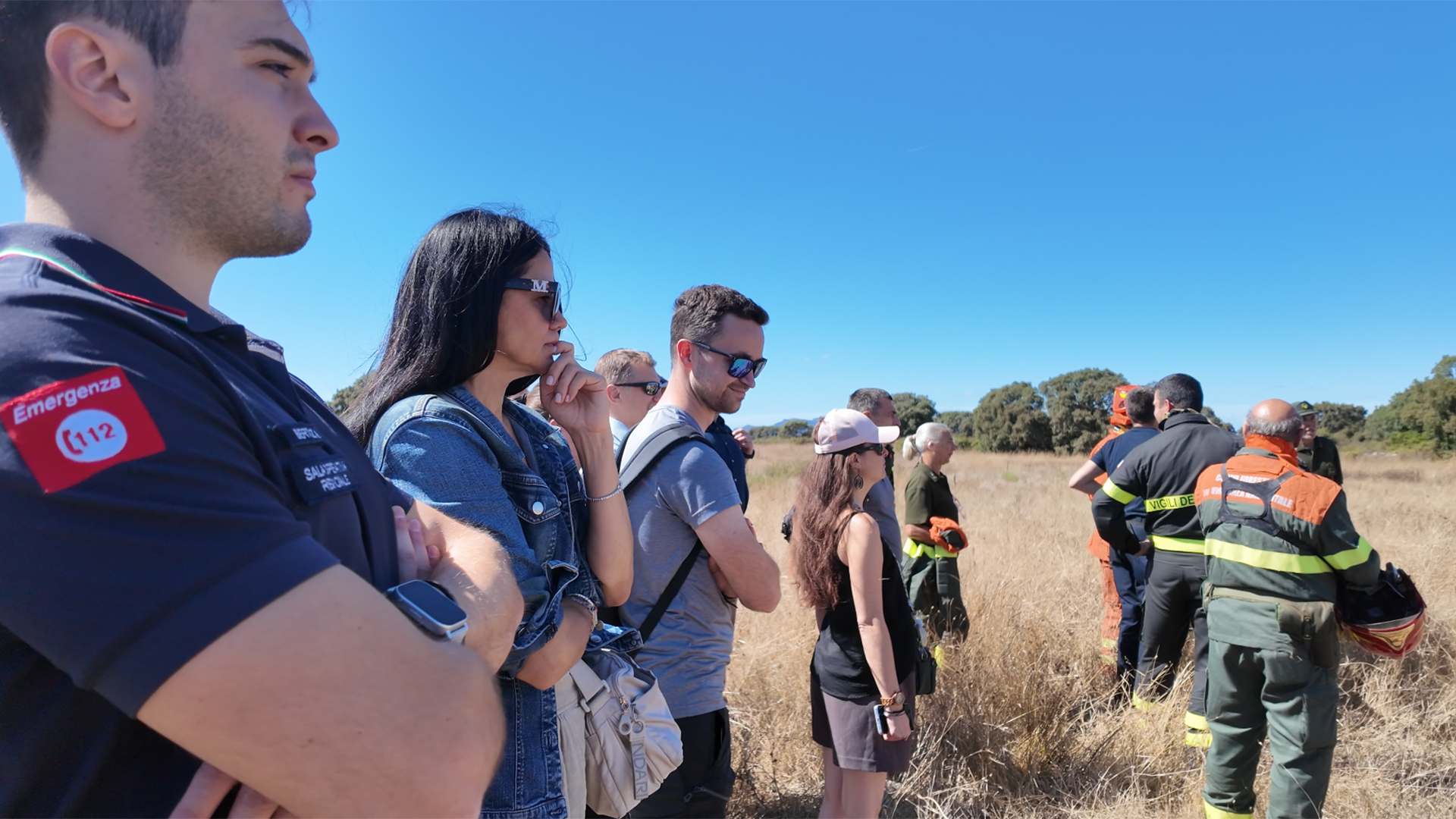
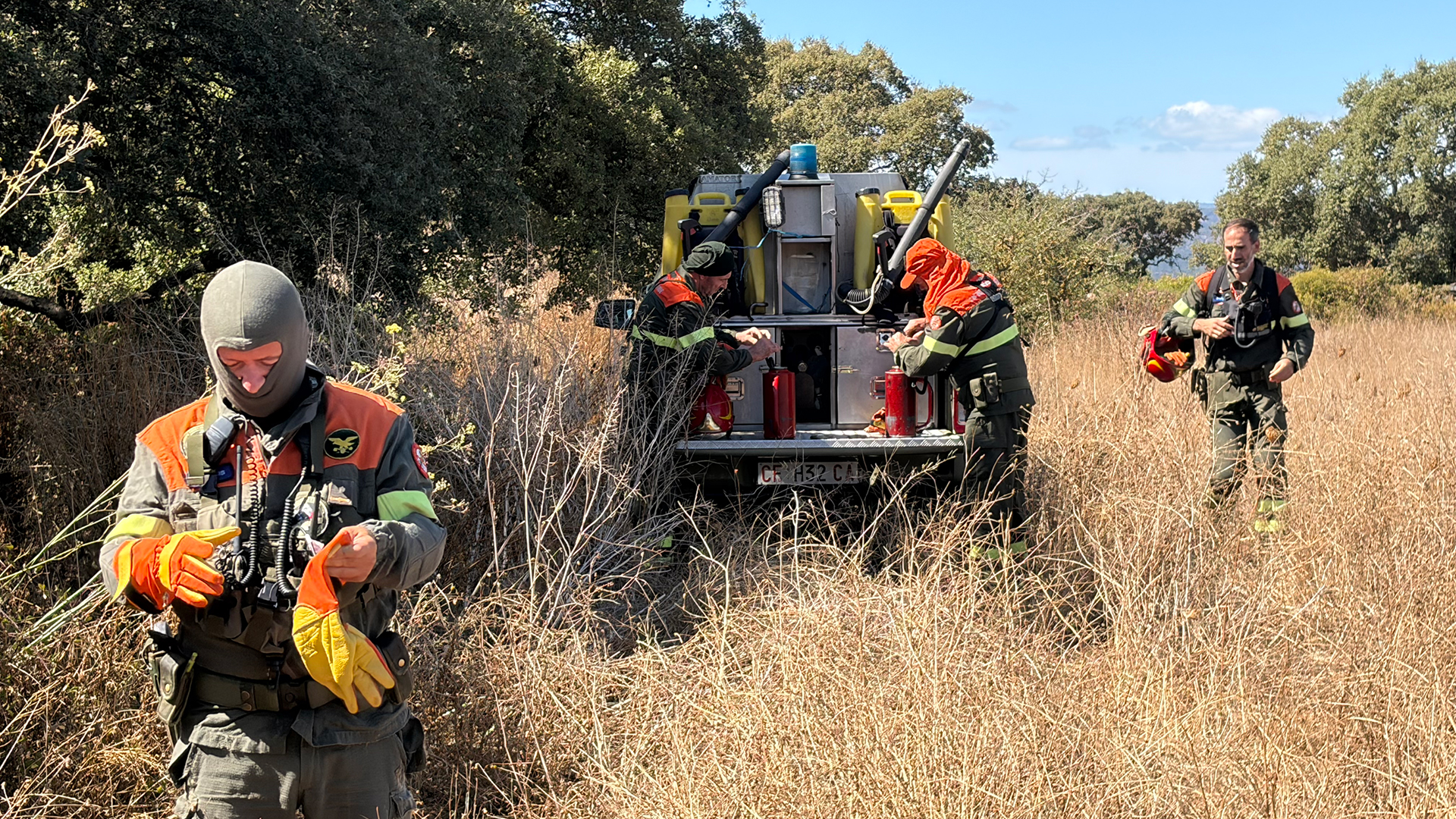
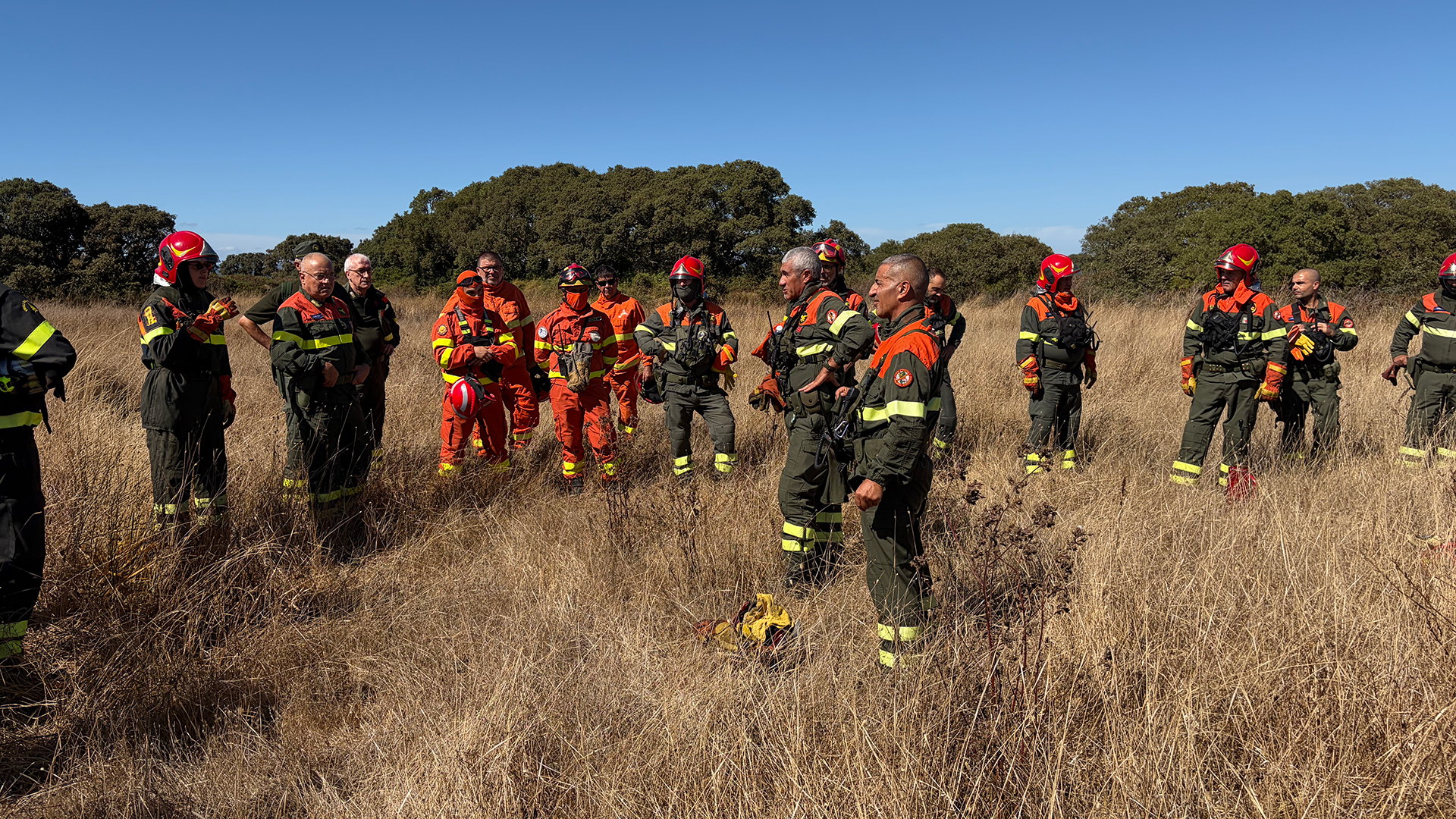
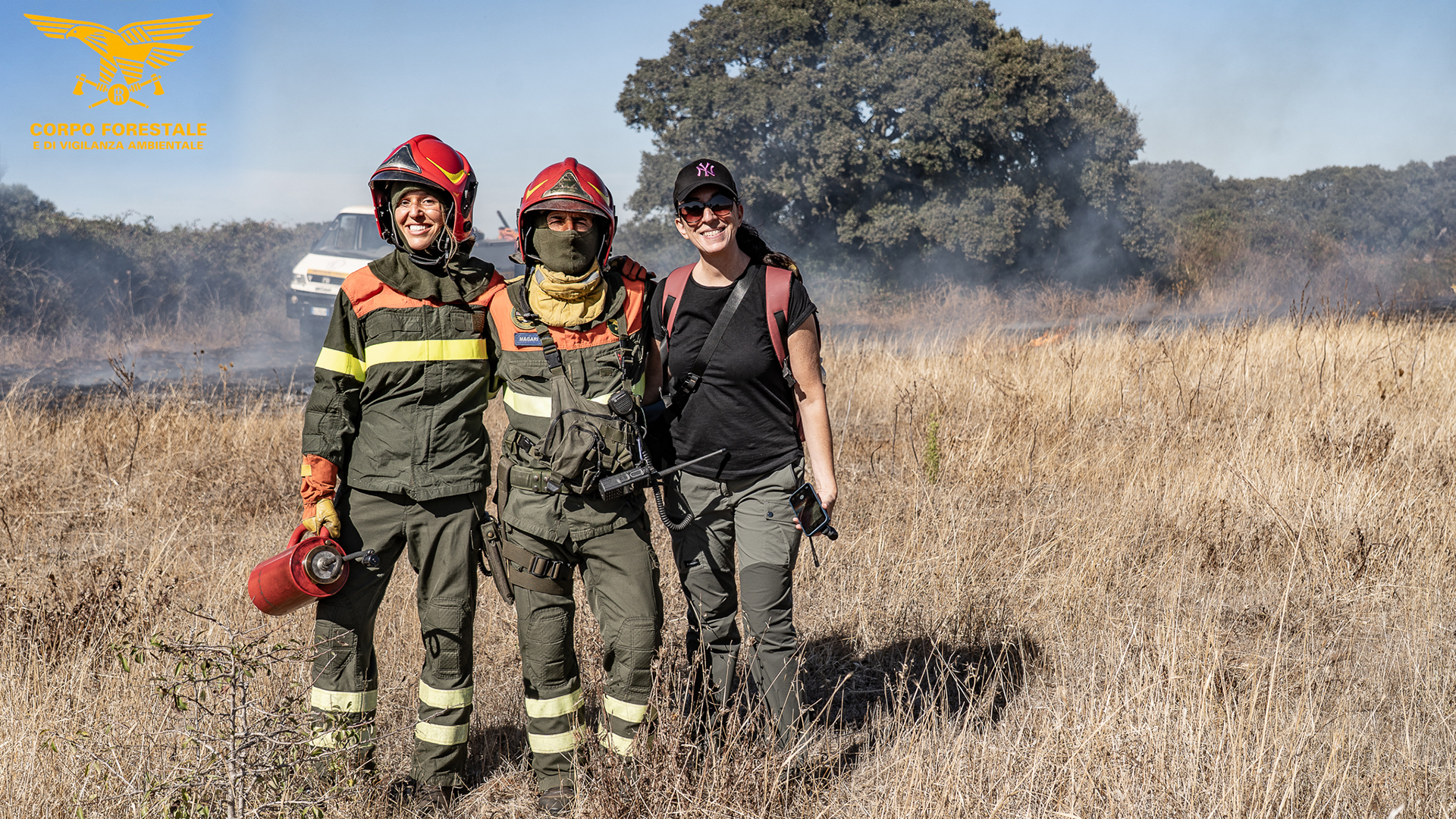
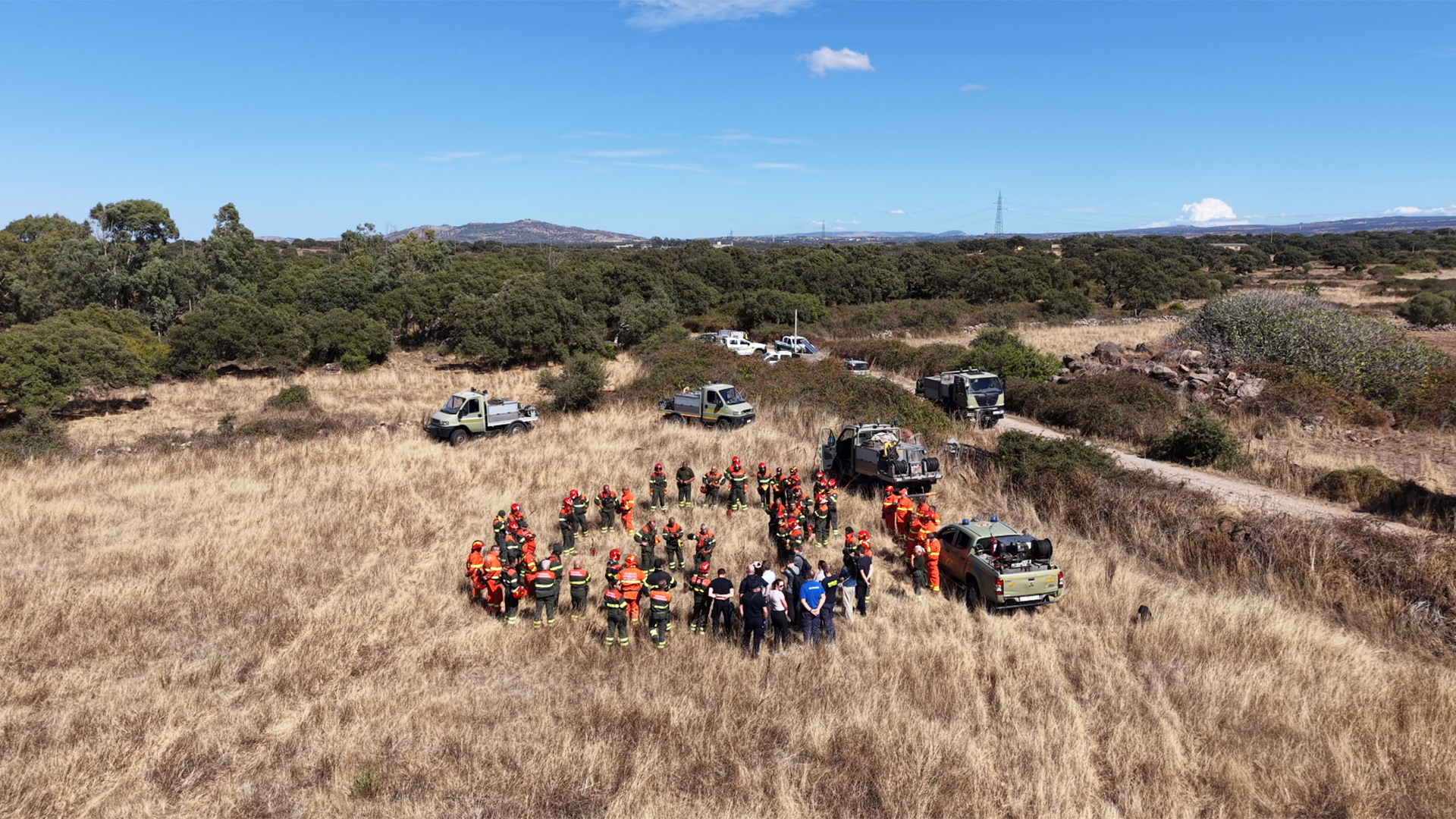
In the afternoon, the discussion continued on-site, where participants were able to observe and take part in a hands-on exercise focused on techniques for starting, managing, and controlling fires. This activity provided a practical demonstration of the topics covered during the morning sessions and, more broadly, throughout the entire Study Visit.
Building Cooperation Before Emergencies Strike
From Sassari to the Goceano forests and on to Suni, the three-day study visit followed a specific path: starting with scientific knowledge, analyzing the territory, engaging with those who work in the field every day, and transforming these experiences into shared tools for prevention and response.
This is a particularly important process in a context where changing climate conditions, shifts in vegetation, and the abandonment of certain rural areas are making risk scenarios increasingly complex.
Through FIRESAFENET, ISIG supports and facilitates this exchange between research, operational expertise, and local communities, helping to build relationships, mutual understanding, and the capacity for collaboration before an emergency arises.
Because effective cooperation also stems from this: the opportunity to learn about other systems, directly observe the practices developed in the local area, compare different approaches, and transform the experiences gained locally into a shared asset.
Three days of work during which Sardinia became a meeting place for knowledge, experience, and expertise, strengthening a network of cooperation designed to create communities that are better prepared and more resilient in the face of wildfire risk.
Visit the project website: FIRESAFENET | Interreg Italy-Slovenia
Day One: CNR IBE Research Center in Sassari
Day 2: Goceano Forest Area


Day 3: Suni and the Surrounding Area