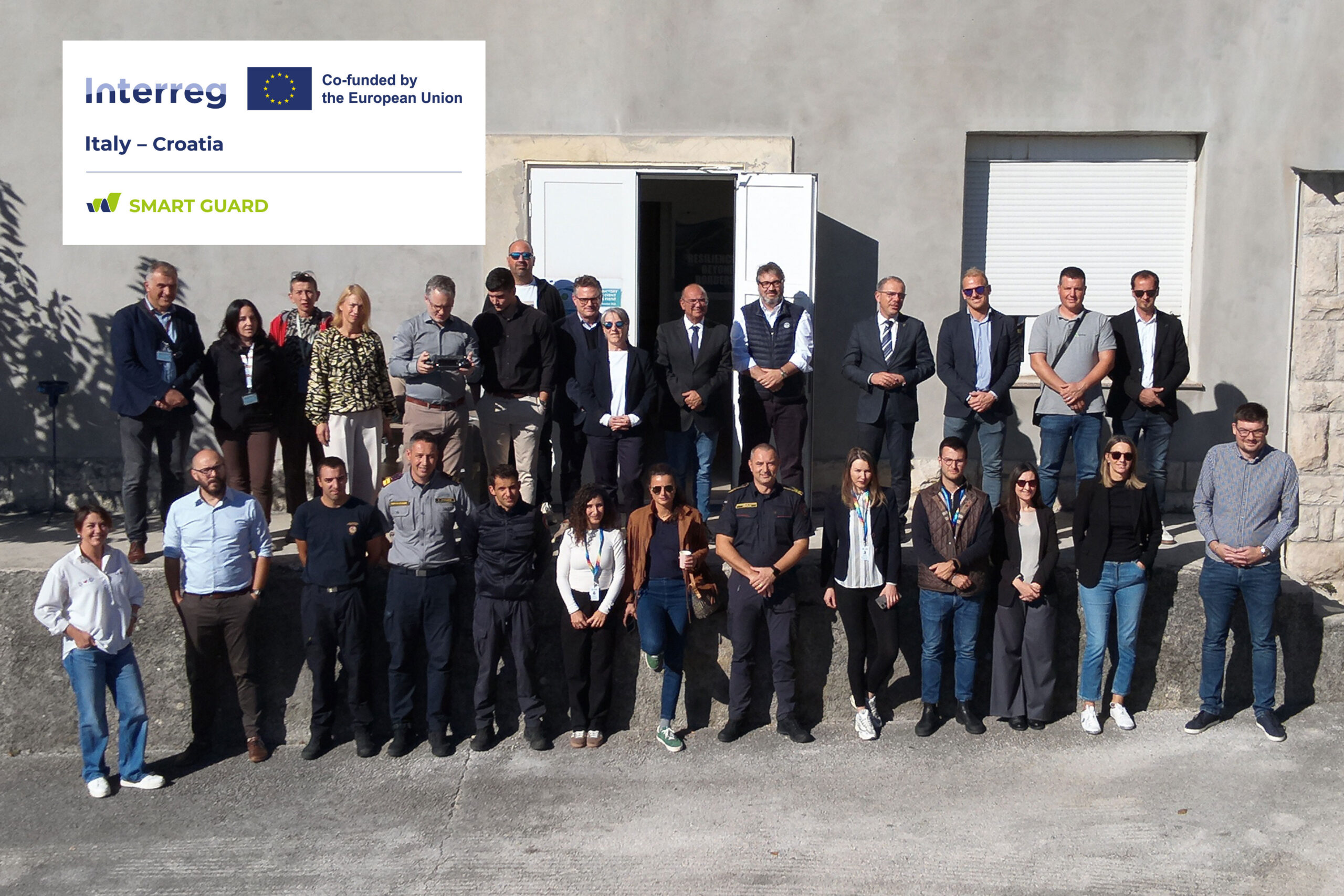
On October 15 and 16, 2026, the Italian and Croatian partners of the Interreg SMART GUARD project gathered in Labin, Croatia, for the kick-off meeting. The two-day event was dedicated to presenting the expertise, activities, and solutions that will be developed to strengthen the prevention of wildfires and climate-related risks in the Adriatic region.
Eight partners, two countries, and a shared challenge: to integrate scientific research, technological innovation, and local knowledge to improve the prevention and management of climate-related risks.
With this goal in mind , the SMART GUARD Kick-off Meeting—a European project co-funded by the 2021–2027 Interreg Italy-Croatia Program —took place on October 15 and 16, 2026, in Labin (Albona), Croatia.
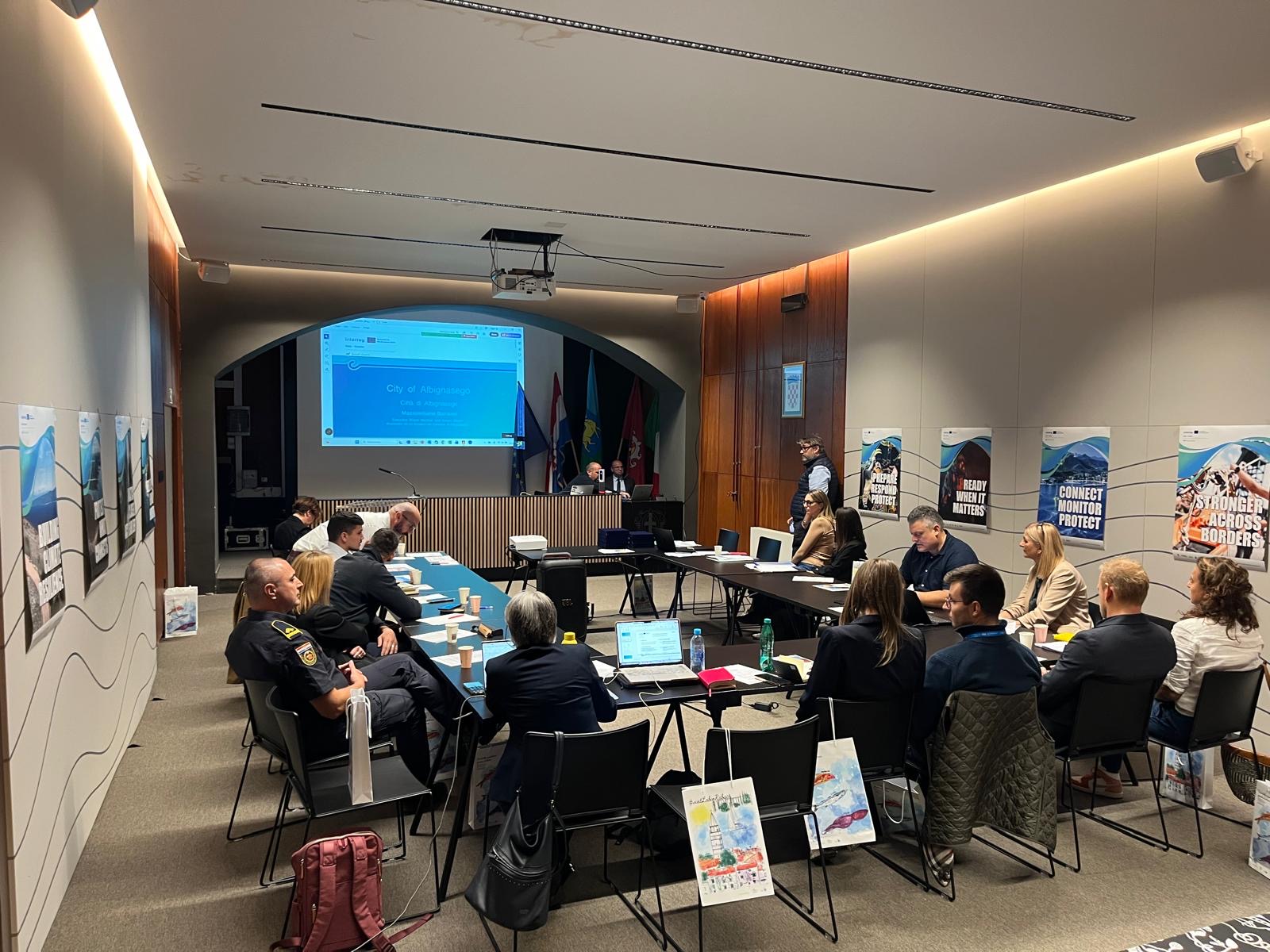
The meeting marked the official launch of the project, offering the eight partners the opportunity to present their areas of expertise, share the specific characteristics of the regions involved, and outline the activities they will carry out in the coming months.
The project addresses two environmental challenges that are particularly relevant to the Adriatic region: wildfires and urban heat islands. These phenomena require increasingly effective monitoring systems, tools for risk analysis and forecasting, and greater integration among the institutions responsible for safety and civil protection.
The First Meeting Among Partners: Knowledge and Expertise in Service of the Project
The first day, October 15, took place at the Labin City Hall and was dedicated to introducing the partnership, sharing objectives, and planning activities.
The consortium brings together eight organizations with complementary expertise: the City of Labin, the project leader; the Faculty of Engineering at the University of Rijeka (RITEH);the Kamenjak Public Institution; and the City of Krk for Croatia; the Municipality of Monfalcone, the Municipality of Albignasego, the Metropolitan City of Venice, andthe Institute of International Sociology in Gorizia (ISIG) for Italy.
During the meeting, each partner outlined its contribution, presenting the technical activities, local pilot projects, and tools that will be developed as part of the project.
The diversity of the contexts involved is one of SMART GUARD’s main strengths: protected natural areas, karst and coastal regions, island environments, and urban centers each face different vulnerabilities, but they all share the need to strengthen their capacity to prevent and address the effects of climate change.
The first round of discussions made it possible to compare these experiences, identifying connections between the various activities and laying the groundwork for the development of common solutions adaptable to the needs of Italian and Croatian regions.
Technological Innovation and Local Pilot Projects
A central component of SMART GUARD will be the development of a cross-border digital system for monitoring and assessing climate risks, through the integration of data collected from IoT sensors, weather stations, and drones equipped with thermal cameras.
The Faculty of Engineering at the University of Rijeka will contribute to the development of the system’s technological components, using simulations and models based on artificial intelligence to generate predictive analyses related to wildfires and urban heat islands. The goal is to make environmental information more accessible and usable by the relevant authorities, thereby improving their ability to identify risk situations and plan preventive measures.
The pilot projects will directly involve the partner regions, with initiatives tailored to their respective environmental and operational needs.
In Croatia,the public institution Kamenjak will install ten weather stations equipped with IoT sensors to improve monitoring of protected natural areas, while the City of Krk will work to strengthen equipment, training, and coordination of local emergency services.
In Italy, the Municipality of Monfalcone and the Metropolitan City of Venice will contribute to improving environmental monitoring and early-warning systems for wildfires through the use of sensors, weather stations, drones, and data-sharing tools.
The Municipality of Albignasego, on the other hand, will focus on the phenomenon of urban heat islands by installing 50 temperature and humidity sensors—20 of which will be placed in the homes of vulnerable individuals—and by establishing an operations center that can serve as a climate shelter during emergencies.
The collaboration will also include the development of common protocols and a large-scale cross-border civil protection exercise, with approximately 200 participants, among the key activities outlined by the City of Labin, the project leader.
ISIG’s contribution: social research, community participation, and resilience
In addition to technological innovation, SMART GUARD places particular emphasis on the social dimension of climate resilience, recognizing that a region’s ability to prevent and address environmental risks also depends on an understanding of communities’ vulnerabilities, people’s preparedness, and collaboration between institutions and citizens. This is where the contribution of theInternational Sociology Institute of Gorizia (ISIG), which will contribute its expertise in social research, territorial analysis, and participatory processes to the project. Activities will include engaging with local communities, analyzing social and territorial vulnerabilities, and establishing local resilience groups, designed to encourage the involvement of citizens, organizations, and services in emergency preparedness. The goal is to strengthen communities’ ability to understand climate risks and actively contribute to their prevention, drawing on the knowledge and experiences found in local communities. Special attention will be given to engaging the younger generation through the initiative Digital Rangers, which requires the participation of at least 100 young people between the ages of 16 and 25. Through two training camps in Italy and Croatia, participants will have the opportunity to gain skills in environmental monitoring, the use of digital technologies, and emergency preparedness. ISIG’s contribution will thus promote the integration of scientific research, an understanding of social dynamics, and active participation, ensuring that the solutions developed by SMART GUARD are tailored to the characteristics and needs of the communities involved.
The Public Presentation: From the Partnership’s Work to Engagement with the Local Community
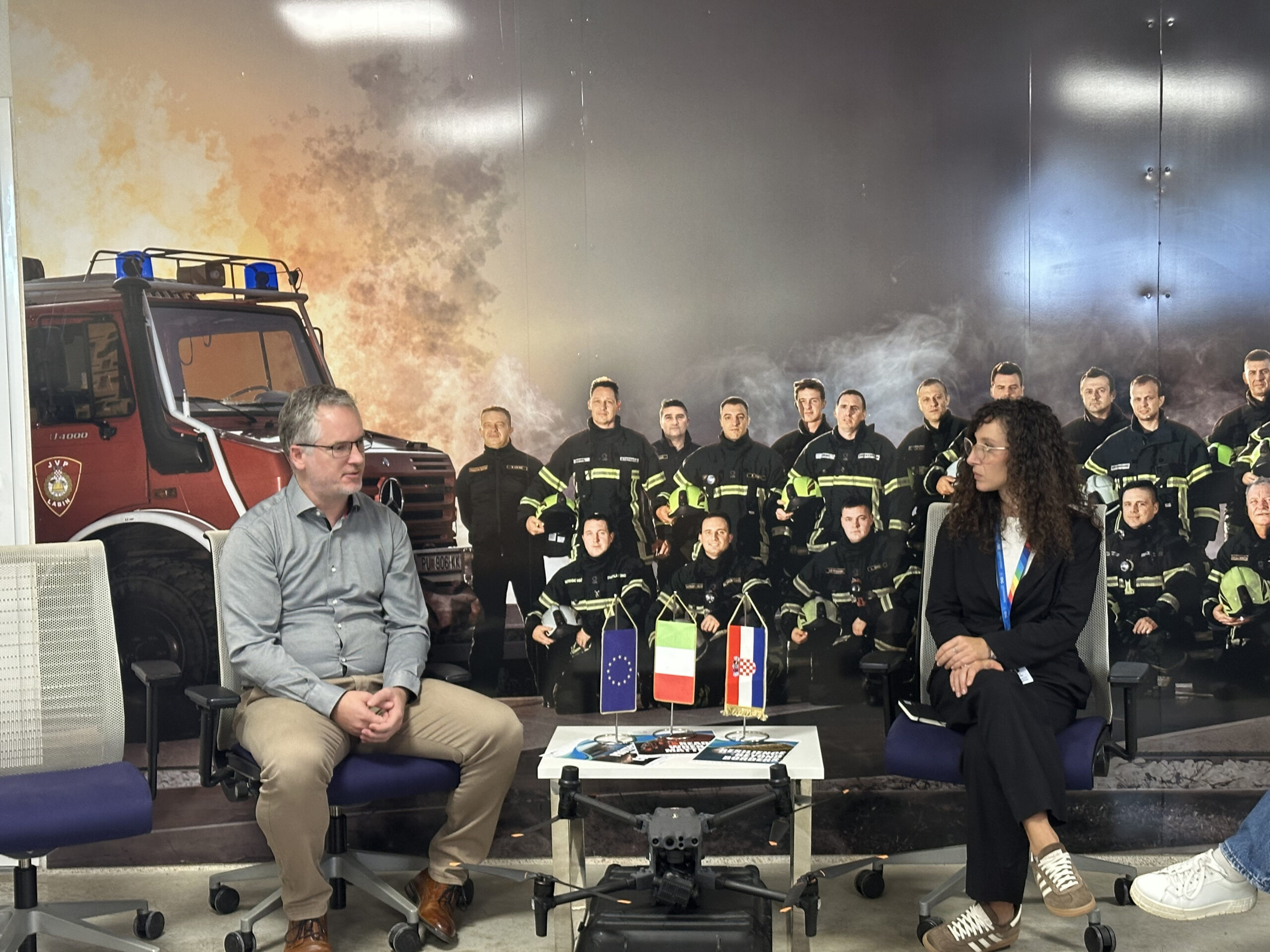
The second day, October 16, took place at the Labin Fire Department headquarters, which hosted the public presentation of SMART GUARD and the press conference.
The meeting provided an opportunity to share the project’s objectives and key planned activities with local governments, scientific institutions, civil protection agencies, and other local stakeholders.
The discussion focused on three key areas: forest fire prevention and territorial safety, urban and institutional resilience, and the contribution of technology and local communities to risk management.
Through the presentations by representatives of the partnership, the diverse needs of the regions became clear, as did the opportunities offered by cross-border cooperation to improve information coordination, develop shared tools, and strengthen the capabilities of local services.
A path of cooperation to address the climate challenges of the Adriatic
The two-day event in Labin laid the groundwork for the joint efforts of the eight partners, outlining a path in which technical and scientific expertise, digital innovation, social research, and local knowledge will contribute to the development of the project’s activities.
In the coming months, the partnership will focus on designing and testing technological solutions, enhancing monitoring systems, and providing training and engaging local communities.
The kick-off meeting thus marks the first step in a collaboration aimed at transforming the exchange of knowledge and expertise into concrete tools to improve climate risk prevention and strengthen the resilience of Italian and Croatian regions.
SMART GUARD is a project co-financed by the European Union through the European Regional Development Fund (ERDF), as part of the Interreg VI-A Italy-Croatia Program 2021–2027.
Learn more about the Interreg Smart Guard project