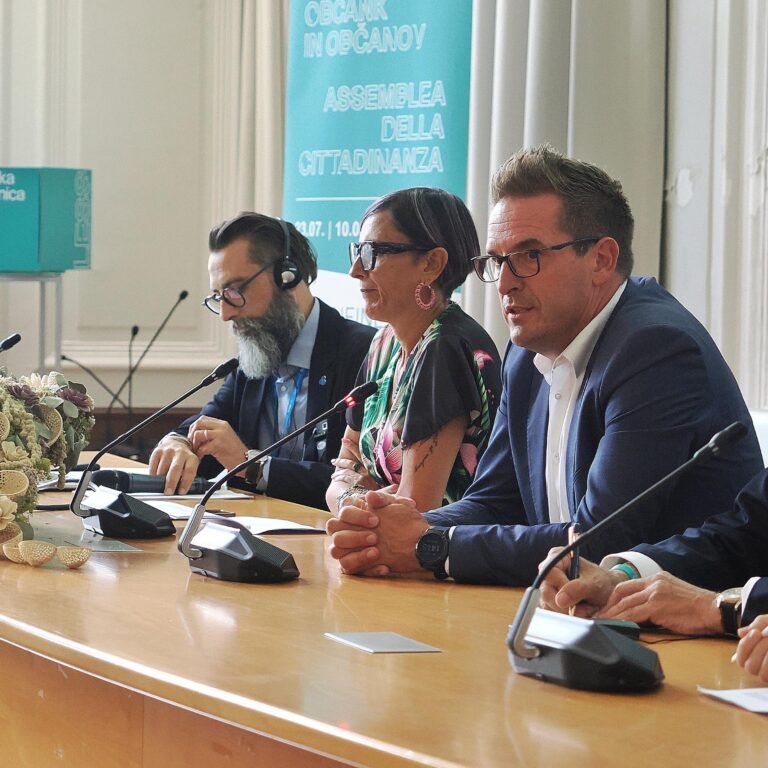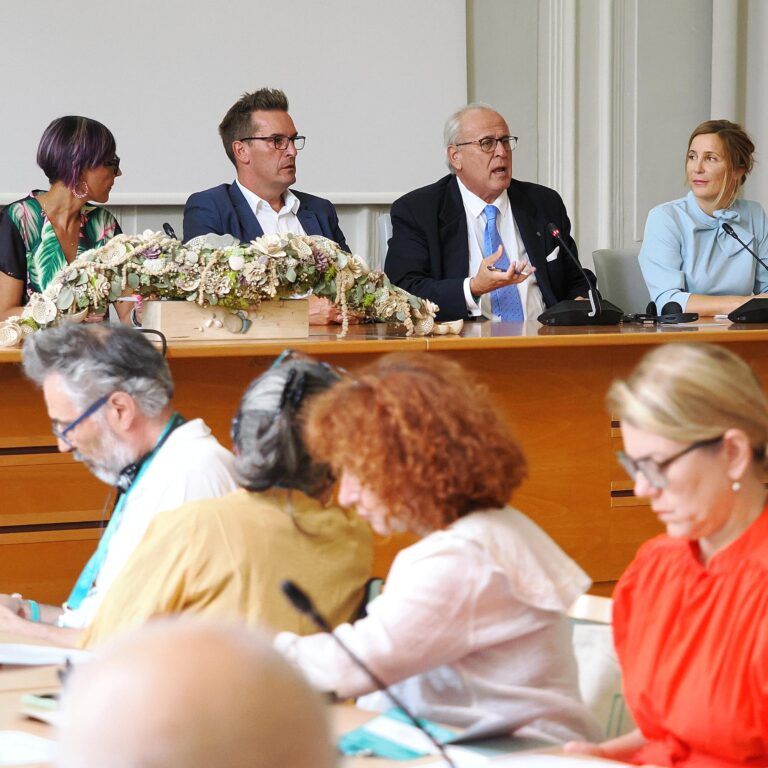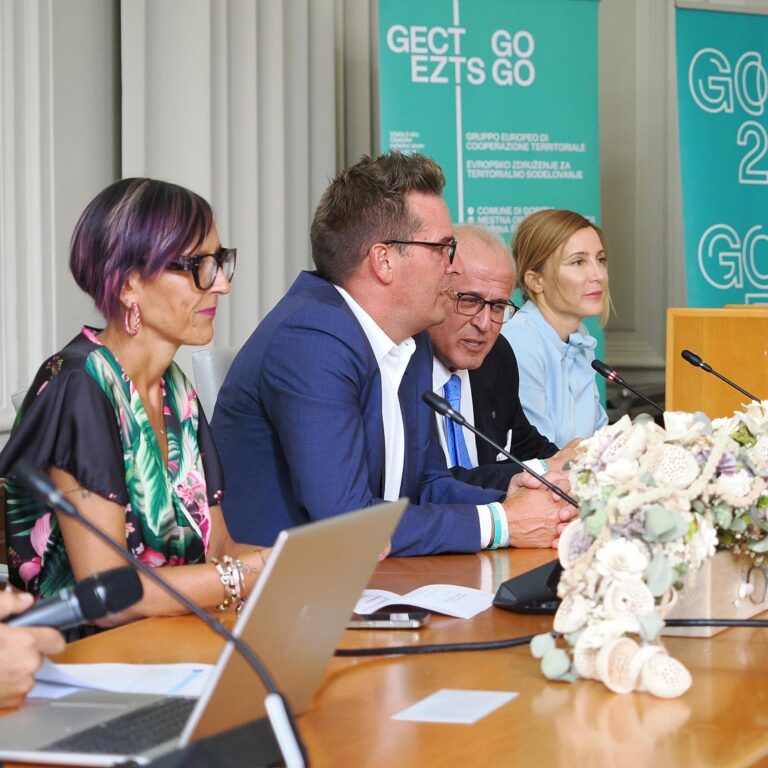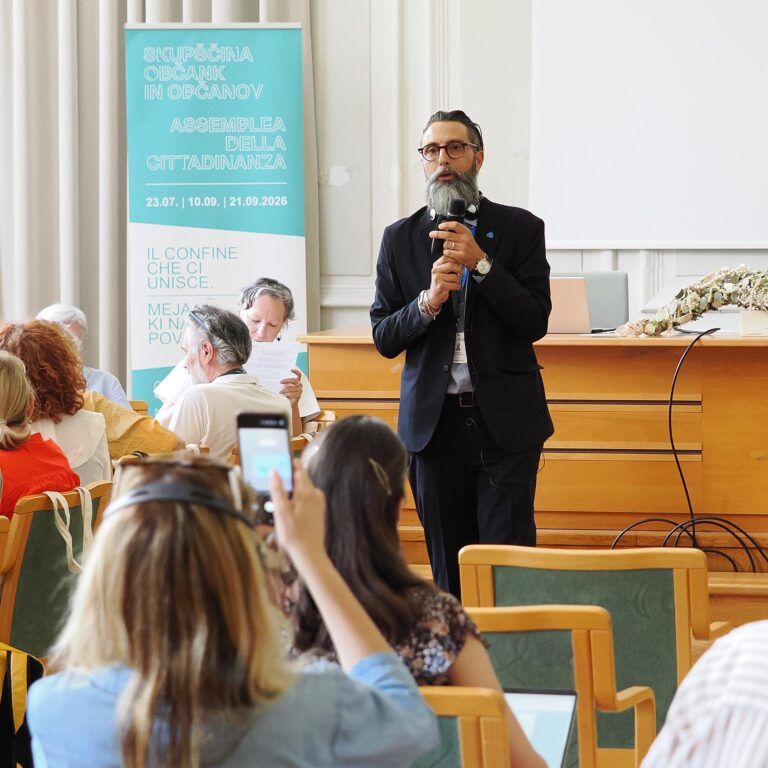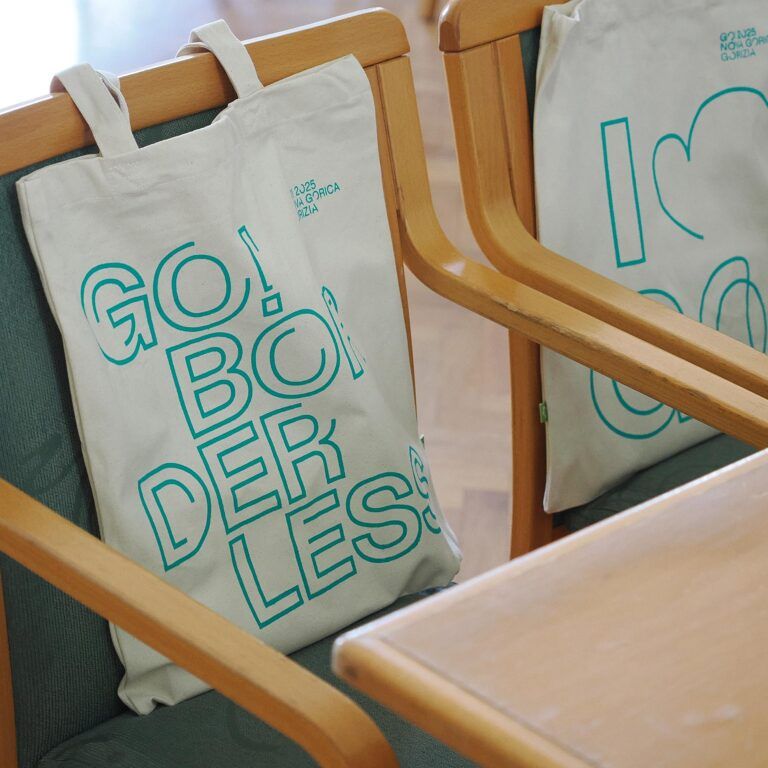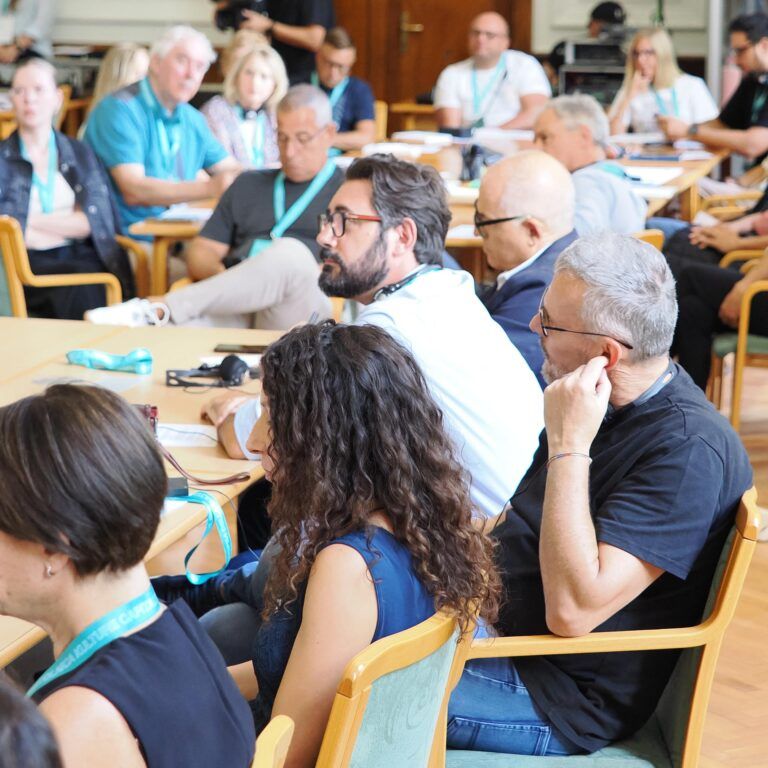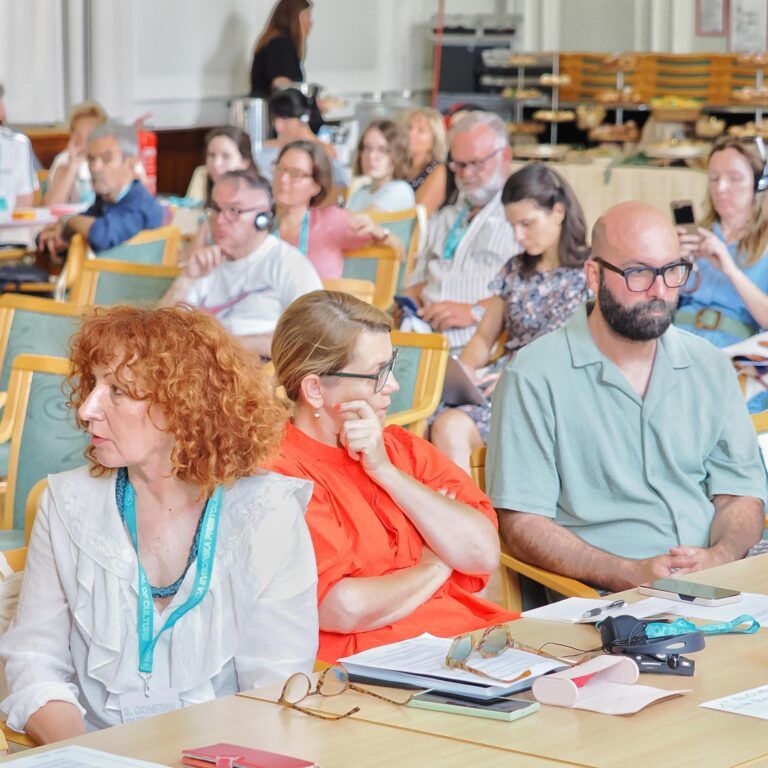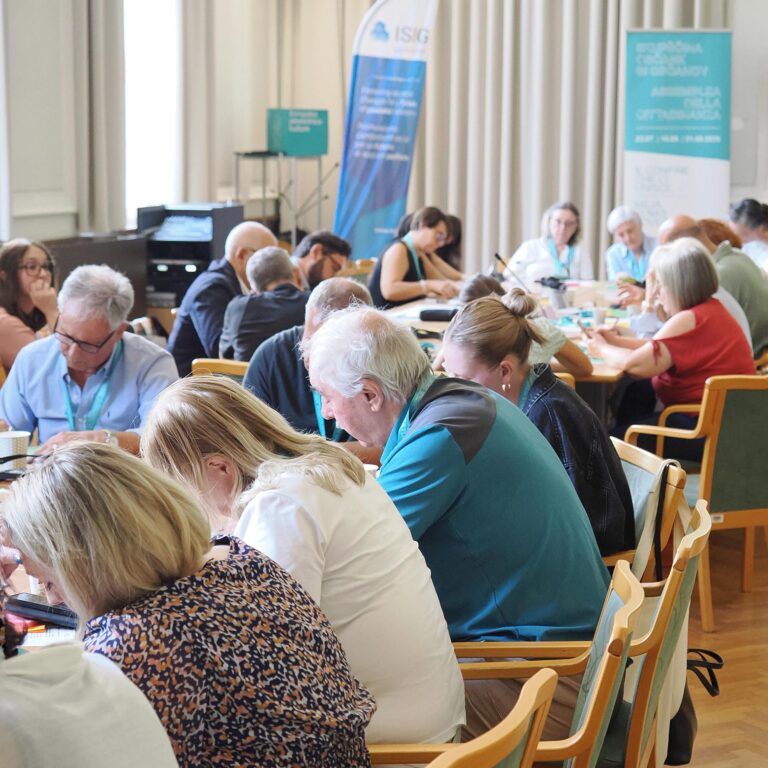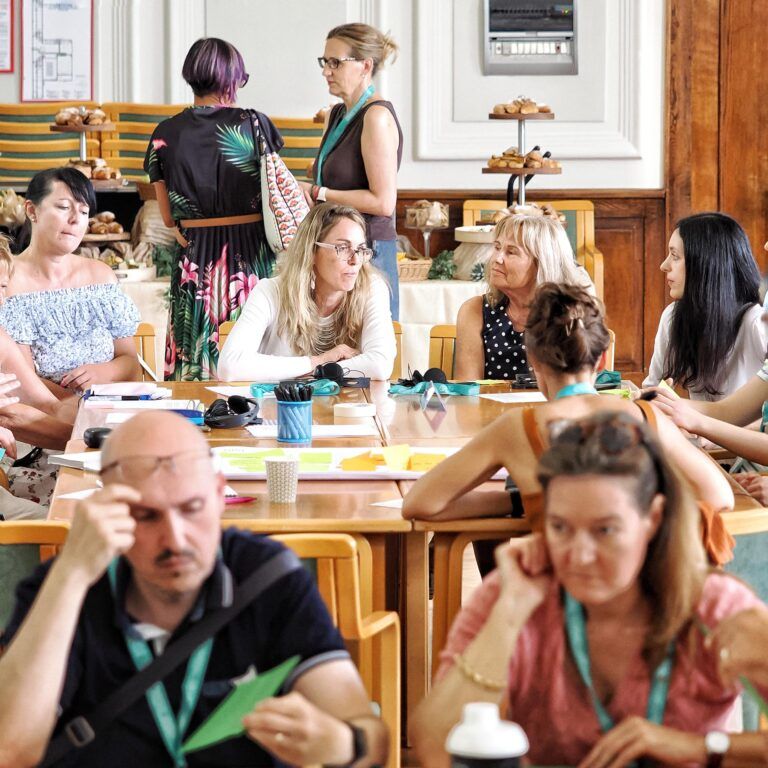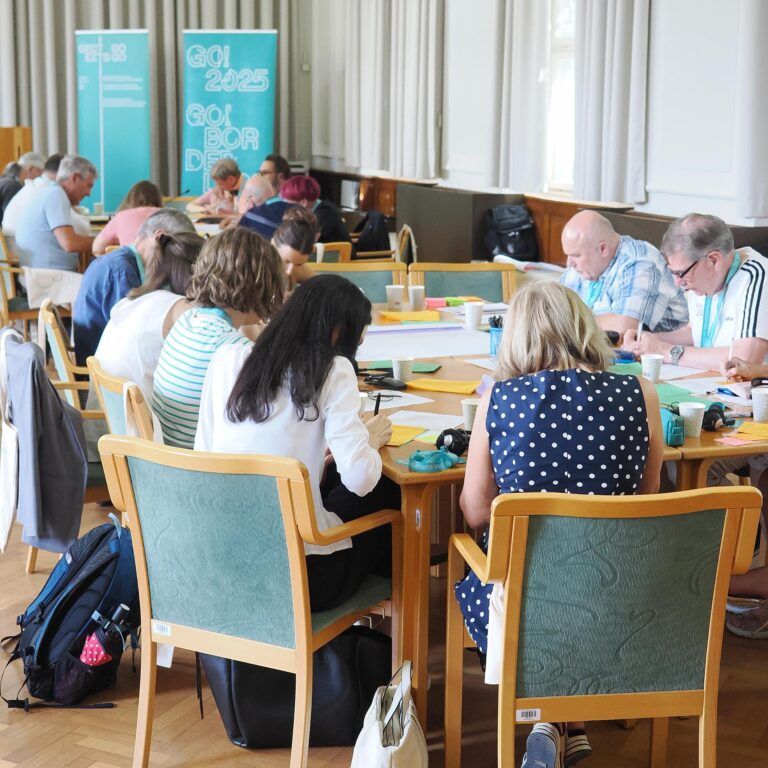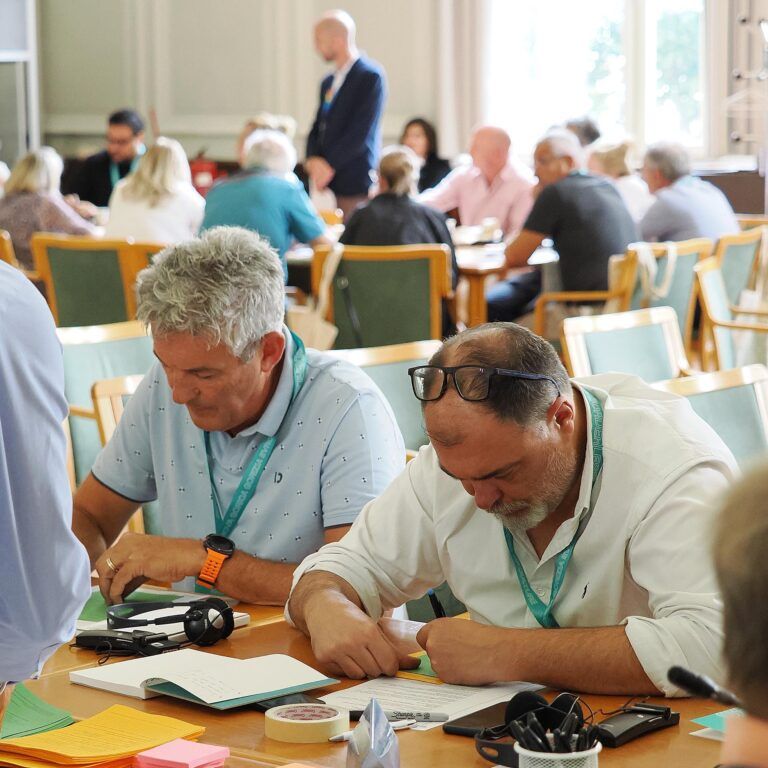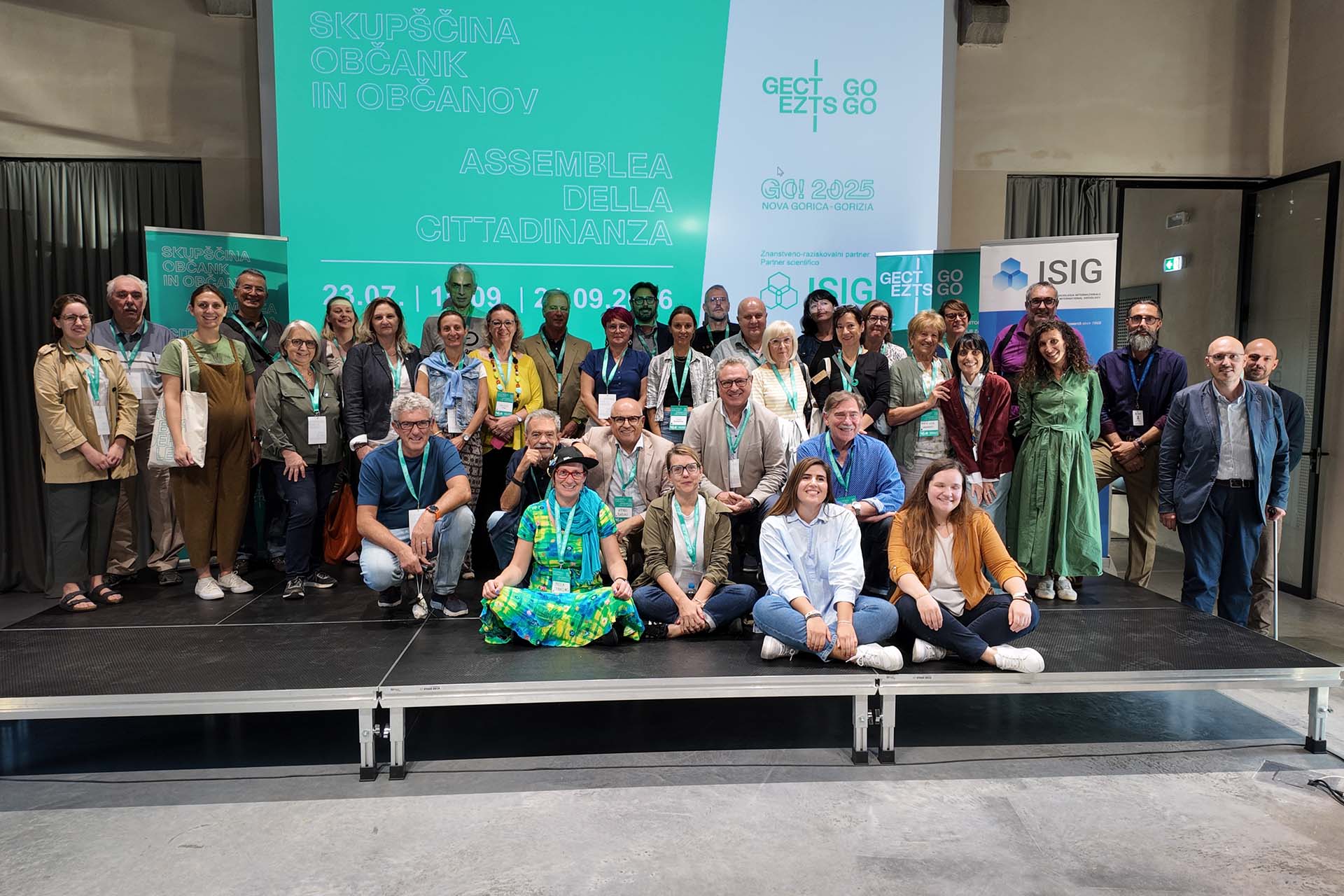
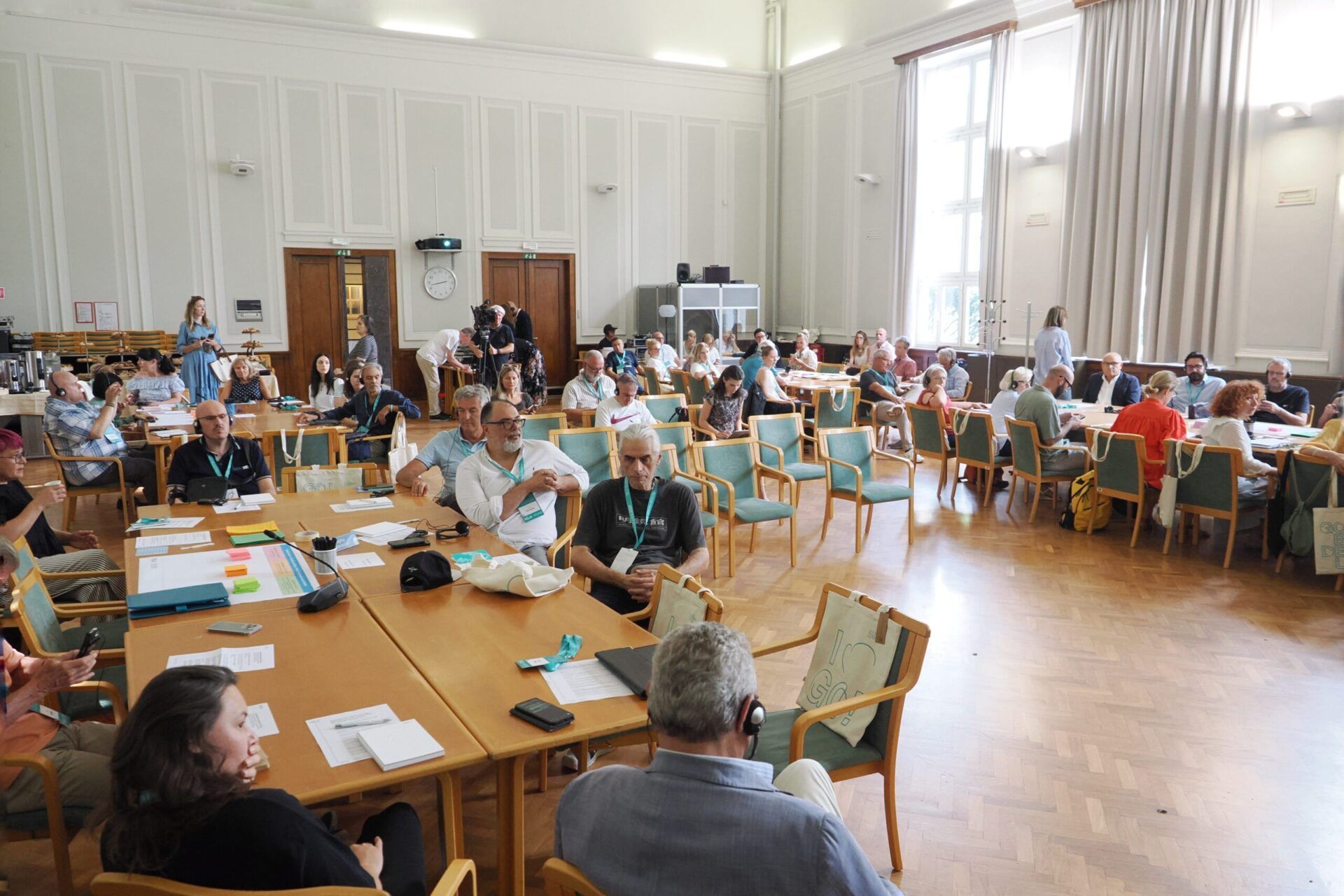
On July 23, 2026, in the City Council Chamber of the City of Nova Gorica, The first meeting of the GO! Citizens’ Assembly took place 2025, the participatory process dedicated to listening to the communities of Gorizia, Nova Gorica, and Šempeter-Vrtojba and to reflecting on the future of the cross-border area in light of the legacy of the 2025 European Capital of Culture.
Institutional Openness
The day began with a public institutional event attended by representatives from the municipalities of Nova Gorica and Gorizia—along with the GO EGTC, Zavod GO! 2025, and ISIG.
The Assembly was organized by GECT GO, in collaboration with Zavod GO! 2025, and carried out by ISIG as part of the monitoring and evaluation of the impact of the European Capital of Culture Nova Gorica–Gorizia 2025.
A tool for evaluating GO!’s legacy 2025
The goal of this initiative is to integrate data, indicators, and technical analyses with the experiences and perceptions of people who live, work, or study in the area.
In fact, evaluating GO! 2025 does not simply mean considering the number of events, participants, overnight stays, or resources invested, but also understanding whether relationships between people and organizations have changed, whether new collaborations have emerged, whether opportunities have increased, and whether certain barriers have been reduced or reinforced.
The Assembly thus makes it possible to link quantitative data with the changes experienced by the community, helping to identify what GO! 2025 has achieved and what will continue to generate value in the years to come.
The Assembly’s Working Procedures
Following the official greetings, ISIG Director Daniele Del Bianco outlined the program’s objectives, phases, and working method.
The Assembly was presented as a tool for deliberative democracy: not a poll, a political body, or an occasional consultation, but a structured space where different experiences, information, and perspectives can be heard and compared.
Participants are not required to have specific technical expertise, but rather to contribute their own perspectives, listen to others’ experiences, and gradually develop informed and well-reasoned assessments. The goal is not necessarily to reach unanimous consensus, but to bring to light both the points of agreement and the differences in judgment.
Four thematic panels
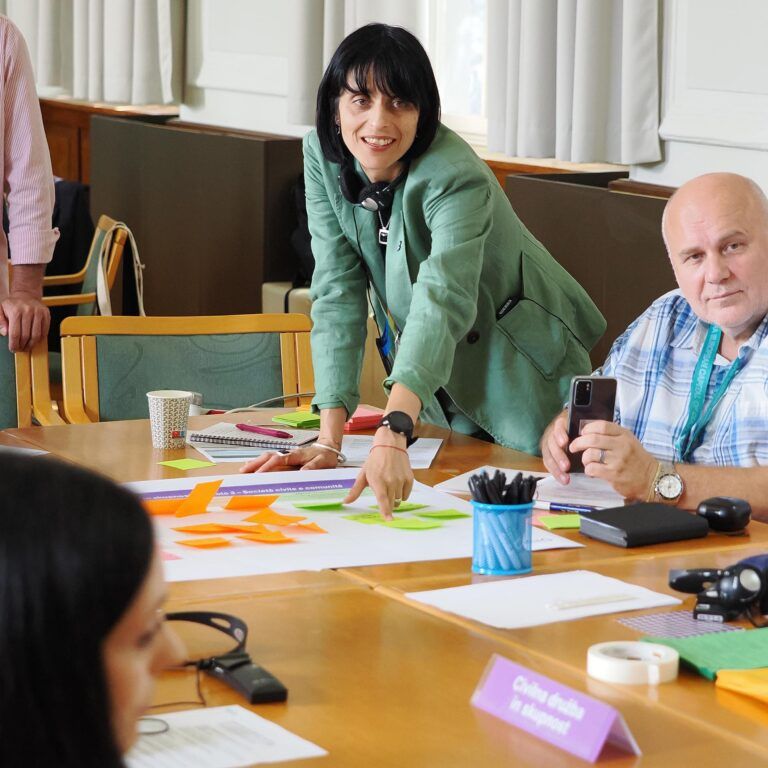
The proceedings were organized into four breakout sessions focused on:
- culture and creativity;
- economy and tourism;
- civil society and communities;
- cross-border cooperation.
After an initial icebreaker activity, the participants shared their motivations, their expectations for the program, and their vision for the cross-border region in 2035.
The activities were conducted with the support of the ISIG facilitation team and using bilingual materials designed to encourage participation and discussion among the various members of the Assembly.
From Positive Experiences to Challenges
The main part of the meeting was devoted to gathering feedback on both positive experiences and challenges related to GO! 2025.
The study did not limit itself to describing what happened, but sought to identify the factors that contributed to a positive outcome and, conversely, the obstacles that caused or exacerbated a critical issue.
People were encouraged to draw on experiences they had lived through firsthand, observed, or heard about from others, describing the effects these experiences had and the reasons why each element might be significant for the future of the region.
Five Common Dimensions
The experiences collected were organized according to five cross-cutting dimensions:
- decision-making and coordination;
- participation and access;
- relationships and collaborations;
- skills and abilities;
- spaces, services, and resources.
This structure made it possible to compare issues from different fields and to identify recurring elements, connections, and specific characteristics among the four thematic panels.
Toward the end of the day, each group presented an internal report on its work, sharing and discussing the issues that had emerged and identifying the top priorities to be explored in greater depth at future Assembly meetings.
The journey continues
The data collected during the first meeting will now be compiled, analyzed, and organized in an aggregated and anonymous format.
The issues and requests for further discussion that emerged will guide the preparation of the second session, scheduled for September 10, during which citizens’ experiences will be compared with data, survey results, project information, and expert input.
The third session, on the other hand, will be devoted to formulating concrete proposals and recommendations to consolidate GO!’s cultural, social, economic, and institutional legacy over time. 2025.
The overall results of the Assembly will contribute to the broader evaluation process for the European Capital of Culture and will subsequently be presented at a public briefing.
The presentation used during the first meeting of the Assembly is available HERE.
Photo courtesy of Bumbaca / GECT GO.