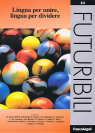
Content: The first part deals with the theme of language in general: language and the interplay of political powers between majority and minority; language and personal experiences; creativity in language and the particulars in some languages revisited by the intervention of intellectuals (Chinese, Neo-Greek, Norwegian) or even reconstituted such as Hebrew or created such as Esperanto; institutional multi-culturalism and personal multilingualism. The second part deals with some specific functions of language: as an idea of peace; as an instrument of conquest; as an integration achieved exclusively by monolingualism or by multilingualism; as the end of a close pairing of Quran and Arabic language. Part Three deals with the emergence of nations and national languages. Part four deals with some issues of language in historical perspective.
I nostri progetti

AETHERIA – Artificial Intelligence and Digital Twins for Coastal Resilience
2026, 2027, 2028, 2029, European Union, Horizon Europe, FORTH ...

CRESO – Coastal risk and socioeconomic impacts as a result of climate change.
2025, 2026, 2027, 2028, UNIGE, CRESO, Interreg Marittimo IT-FR ...

VoCo – Voice for Communities: Civic Engagement for Europe
2026, 2027, European Union, EACEA, CERV ...
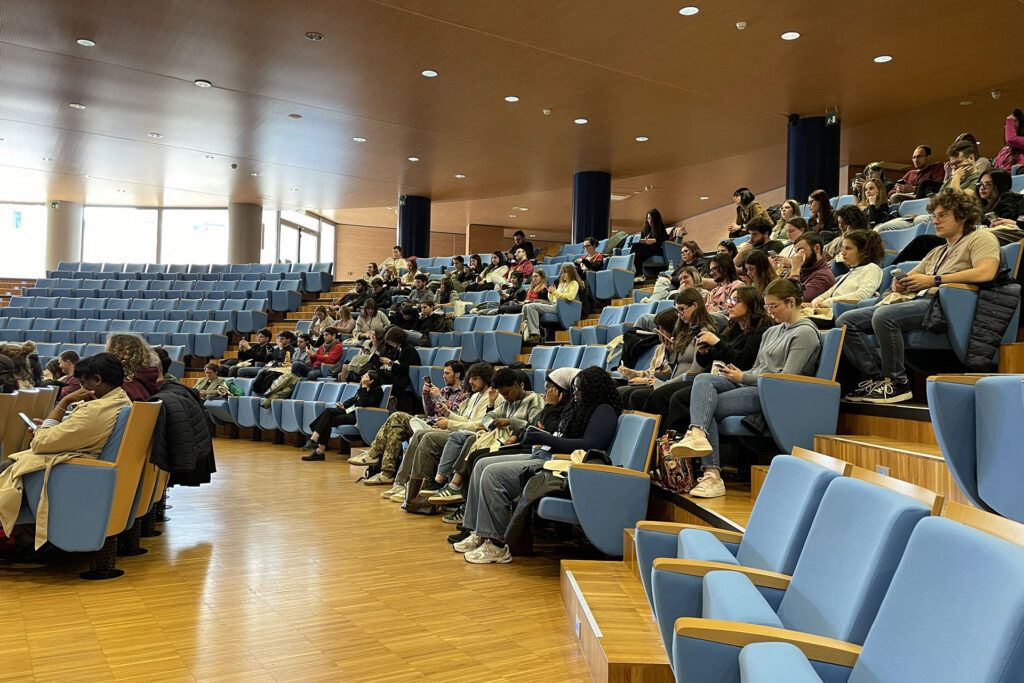
CiViGen – Civil Service Experiences in Friuli-Venezia Giulia
2026, InfoServizioCivile FVG, Civil Service, Friuli-Venezia Giulia, CiViGen ...

RESIST – Strengthening Societal Resilience to Disinformation in Europe
2026, Council of Europe, EEA and Norway Grants, RESIST ...