PREVENT Gets Under Way: ISIG’s Update on the Pilot Phase from the Plenary Session in Barcelona
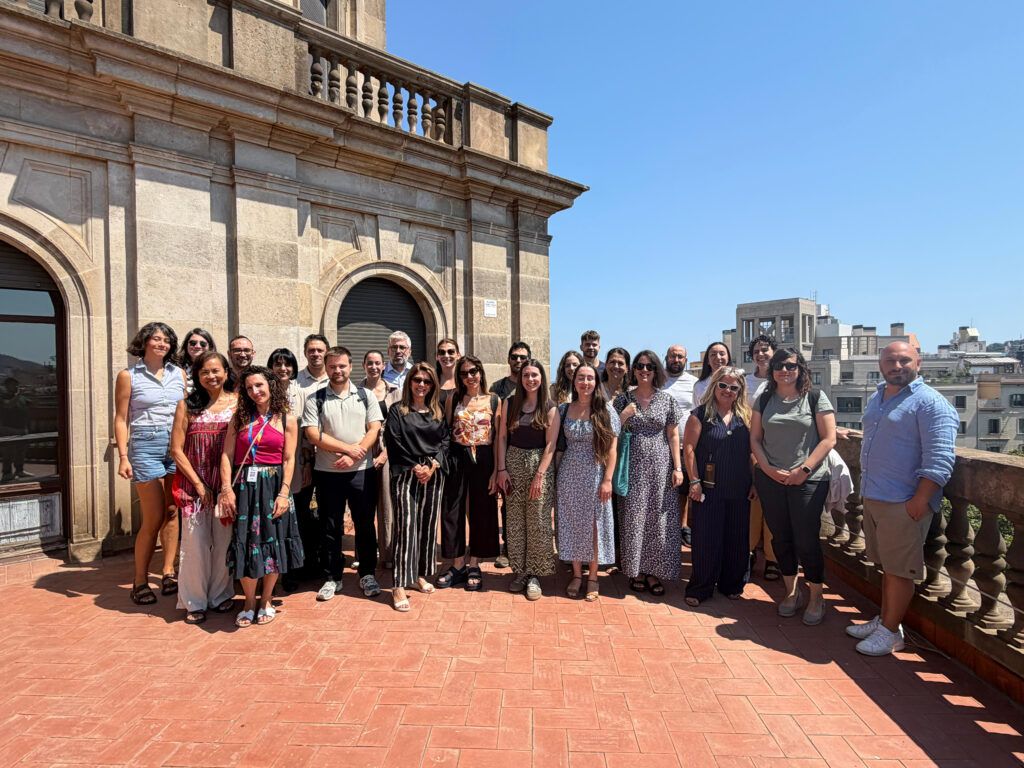
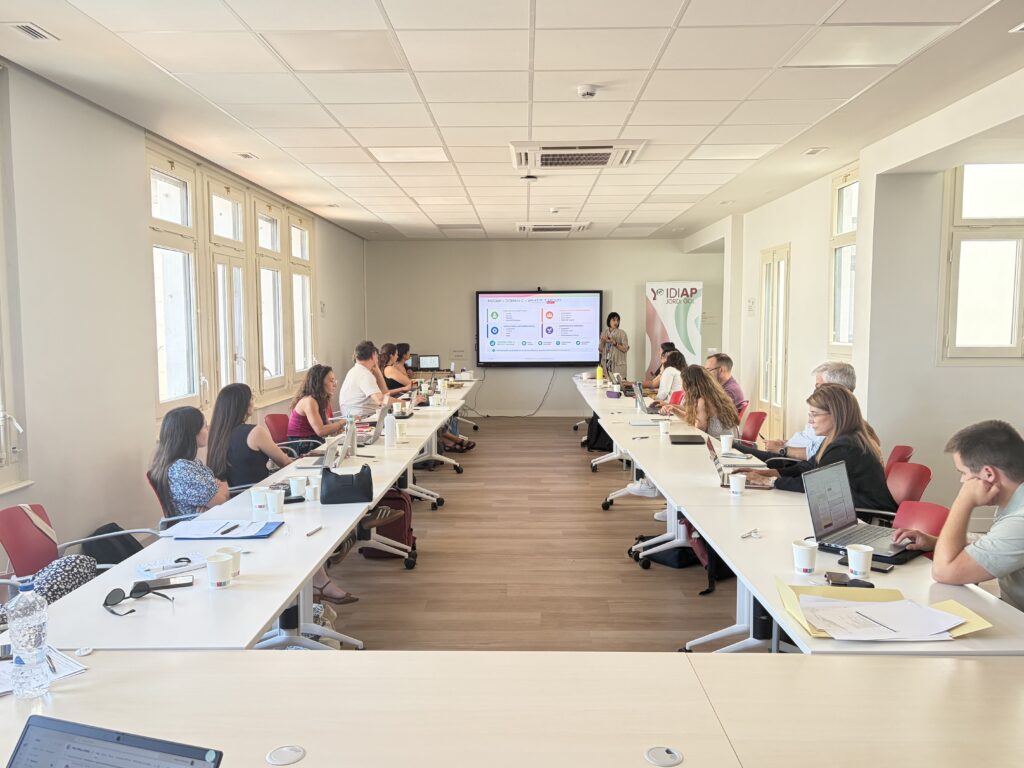
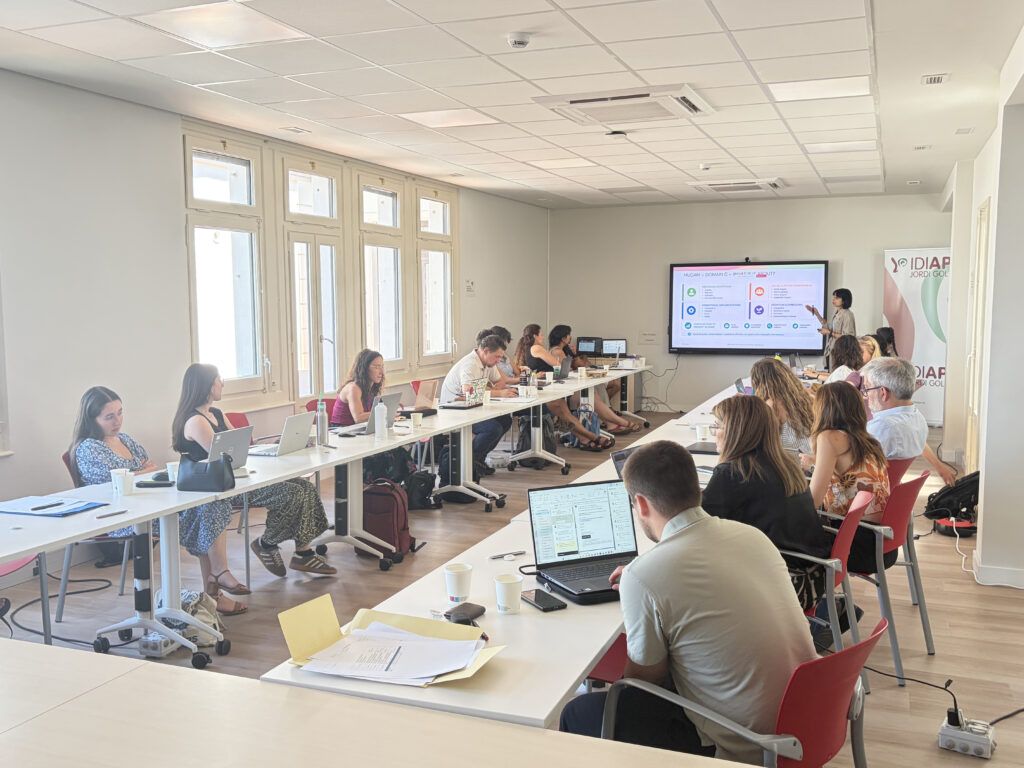
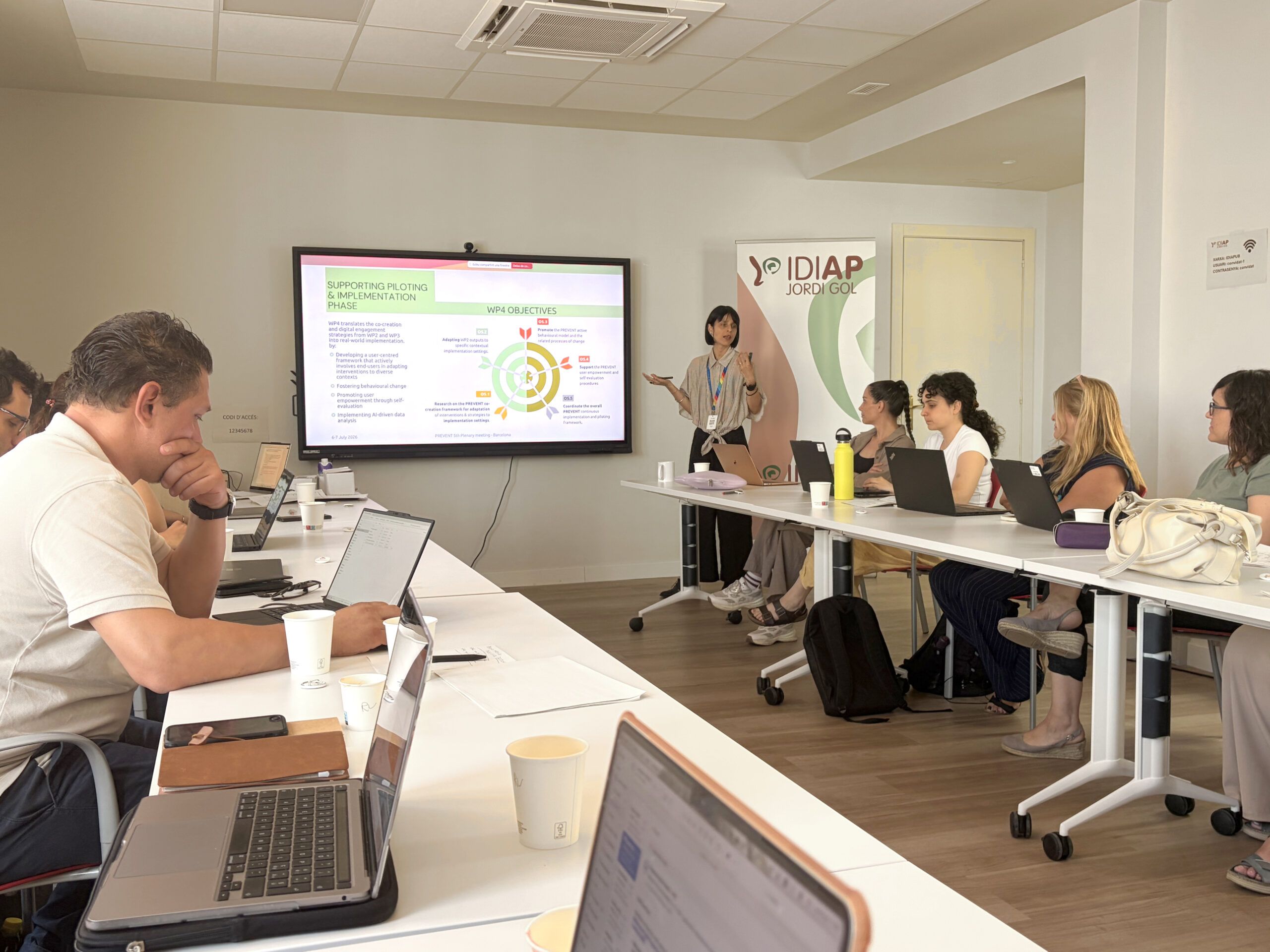
During the fifth plenary meeting of the European PREVENT project, held in Barcelona on July 6 and 7, ISIG presented the progress report on WP4, the work package dedicated to the operational implementation of the digital co-creation and engagement strategies developed in previous phases. It was an important opportunity to take stock not only of the results achieved but also of the challenges still facing the pilot phase.
How do we develop truly effective prevention policies?
Not just in strategic documents, but in the places where people live, study, grow, and make decisions every day.
This is the challenge at the heart of PREVENT: transforming strategies into concrete interventions tailored to real and diverse contexts. Within this framework, ISIG contributes to the co-creation of a policy framework for the prevention of childhood and adolescent obesity, while also supporting its implementation in pilot contexts. This work combines research, participation, and practical application, with the goal of developing policy tools that are not abstract but rather capable of addressing the real needs of schools, families, communities, and public policymakers.
The work of WP4 aims to develop a user-centered approach that actively involves schools, families, teachers, healthcare professionals, researchers, policymakers, and local communities.
These stakeholders are not merely recipients, but an integral part of the process. In fact, the pilot committees do not function merely as advisory bodies, but as genuine mechanisms for co-creation: they guide activities, support implementation, gather feedback, foster stakeholder engagement, and help assess opportunities for future expansion.
The numbers tell the story of a project that is already taking shape: 3 Living Labs, 3 countries, and 8 initiatives that are either active or in development, involving educational, family-based, and digital approaches.
- In Greece, 57 schools and more than 2,000 participants are involved;
- in Catalonia, 15 schools and more than 800 children;
- In Sweden, approximately 630 students in 8 schools.
All pilot projects have completed the transition from preparation to implementation, although they are at different stages of maturity.
Important insights are emerging from the initial results. Schools have proven to be particularly effective settings for implementing interventions, thanks to their ability to directly reach target groups. Stakeholder involvement strengthens commitment, a sense of shared responsibility, and problem-solving skills.
Multi-component interventions, which combine environmental, behavioral, and digital elements, appear promising because they offer multiple channels for participation. Digital tools also show strong potential, both in terms of scalability and monitoring.
However, some challenges remain: maintaining high participation levels over time, especially in family- and digital-based interventions; managing interruptions during the summer months; and addressing logistical constraints and differences in implementation timelines across countries.
Technology, Schools, and Families: Building the Future of Prevention with PREVENT Partners
The PREVENT partners took stock of the project’s progress, sharing results, tools developed, and next steps in preparation for the second official review. The meeting confirmed that the project has entered a crucial phase: it is gradually moving from the co-designed interventions in the Living Labs to their implementation, evaluation, and future scalability.
Day One – Prevention in Action: Apps, Schools, and Families at the Heart of the Partners’ Work
It focused primarily on operational progress in the three pilot hubs— Catalonia, Greece, and Sweden —and on the digital tools supporting these initiatives. Updates were presented on mobile apps, monitoring dashboards, gamification systems, chatbots, and educational tools designed to engage children, families, schools, and local stakeholders. These included the GUAI and ALMA apps for the Catalan hub, ZOUME and Healthy Chef for the Greek hub, as well as tools for monitoring activities and collecting data.
The Living Labs provided an initial overview of the opportunities and challenges encountered. In Catalonia, the initiatives focus on involving families and promoting physical activity in schools. In Greece, the protocols have been finalized and the digital tools are available in Greek, with positive feedback from schools. In Sweden, the provision of fruit in schools has shown strong potential for acceptance and scalability, though it has also highlighted logistical challenges and the need for complementary funding models.
Significant attention has also been devoted to evaluating the interventions, which will be based on three main dimensions: health, social acceptability, and economics. The goal is to establish a common framework for measuring impact, sustainability, costs, benefits, and scalability, in order to guide future decisions based on the evidence gathered.
Day 2 – Scalability, Ethics, and European Impact: PREVENT Looks to the Future of Prevention
It broadened the perspective to the European context of prevention. The partners discussed the growing burden of childhood obesity, its link to cancer risk throughout the life course, and the importance of interventions capable of reducing inequalities. A scalability assessment—based on the WHO/ExpandNet framework—was also presented, along with evaluation criteria that take into account effectiveness, equity, cost-effectiveness, sustainability, and transferability.
Special attention was given to ethical considerations, data protection, and the future sharing of results. Reference was made to recommendations on informed consent—particularly for minors—and to the importance of ensuring anonymization, compliance with the GDPR, and contributions to open science repositories.
Finally, the meeting strengthened the ties between PREVENT and the other European projects in the Prevention & Early Detection – Implementation Research Cluster, fostering exchange on communication, citizen engagement, data management, inequalities, and research. Upcoming activities will focus on disseminating results, supporting scale-up efforts, new publications, communication initiatives targeting young people, and strengthening European collaborations.
PREVENT thus sets a clear direction: building prevention efforts with communities. This is an essential step toward making policies more concrete, sustainable, and capable of bringing about real change.