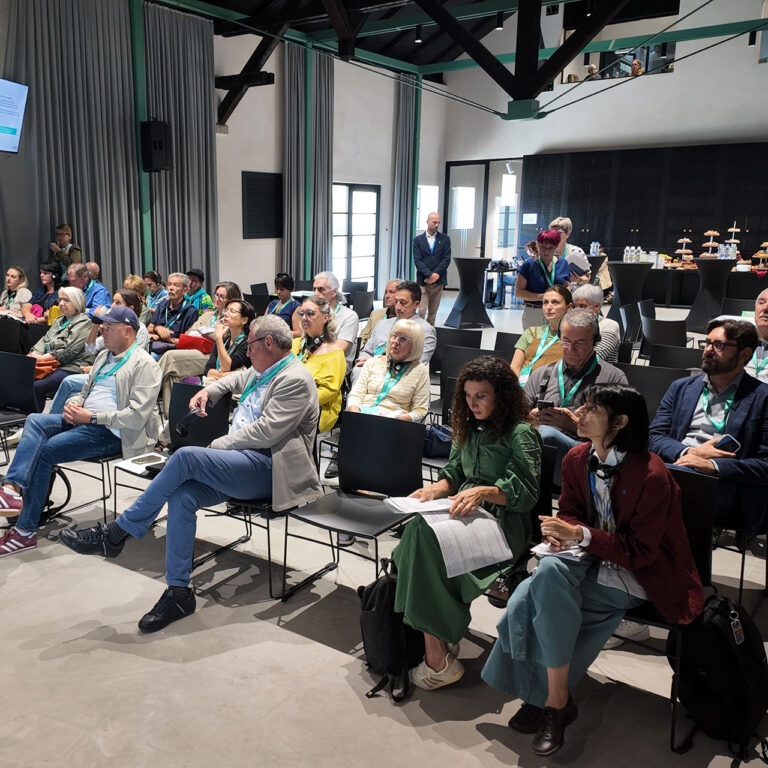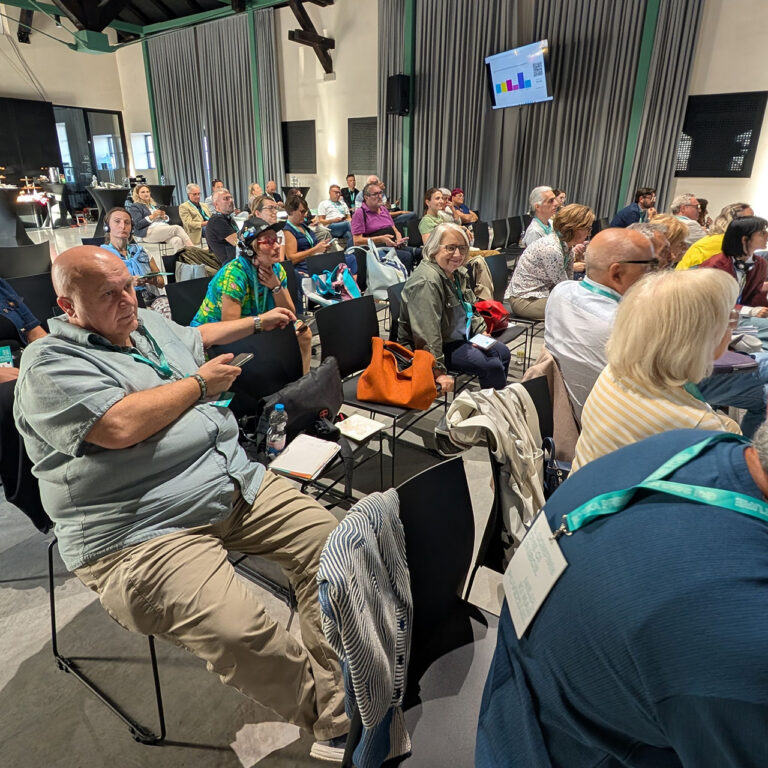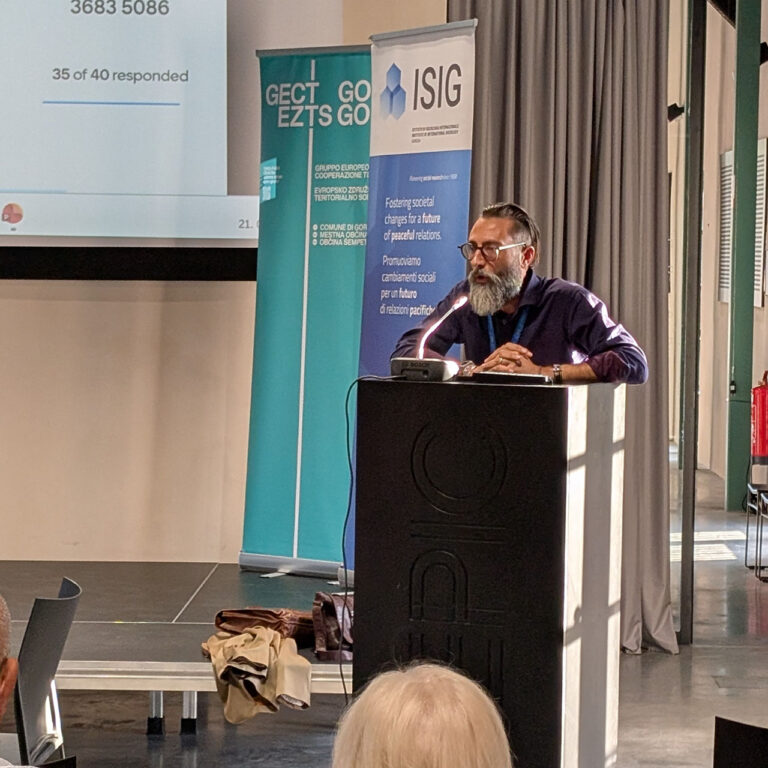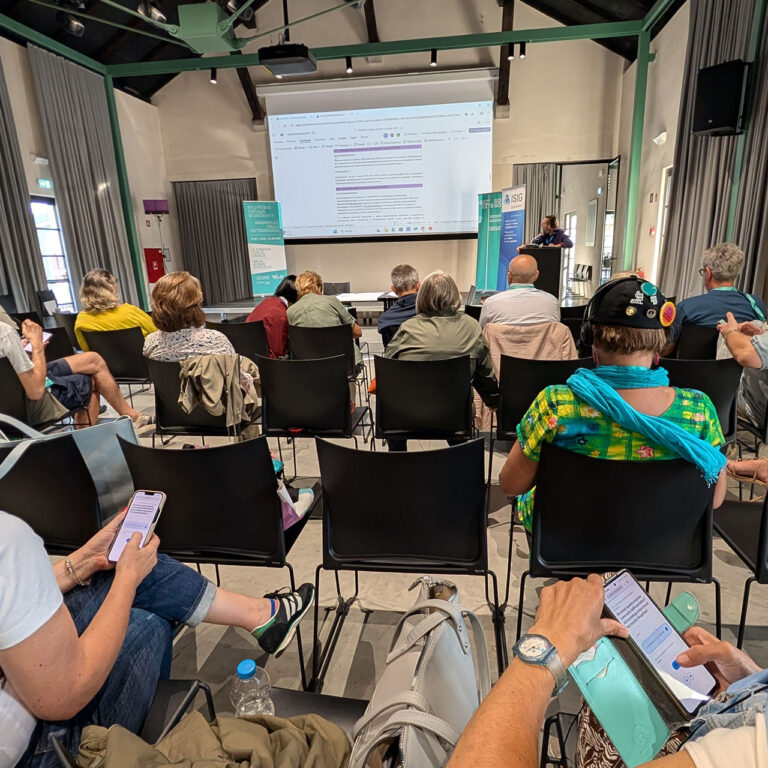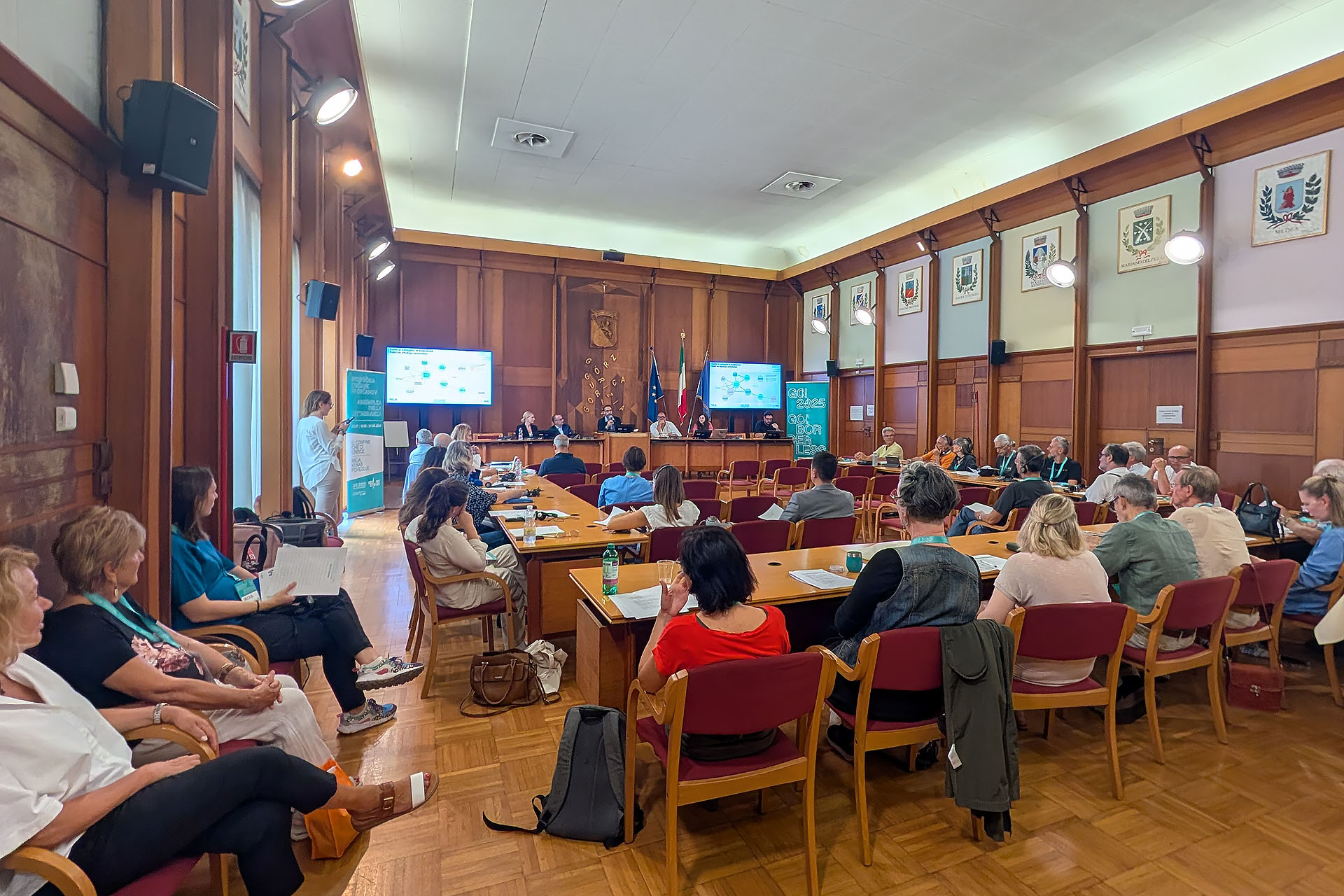
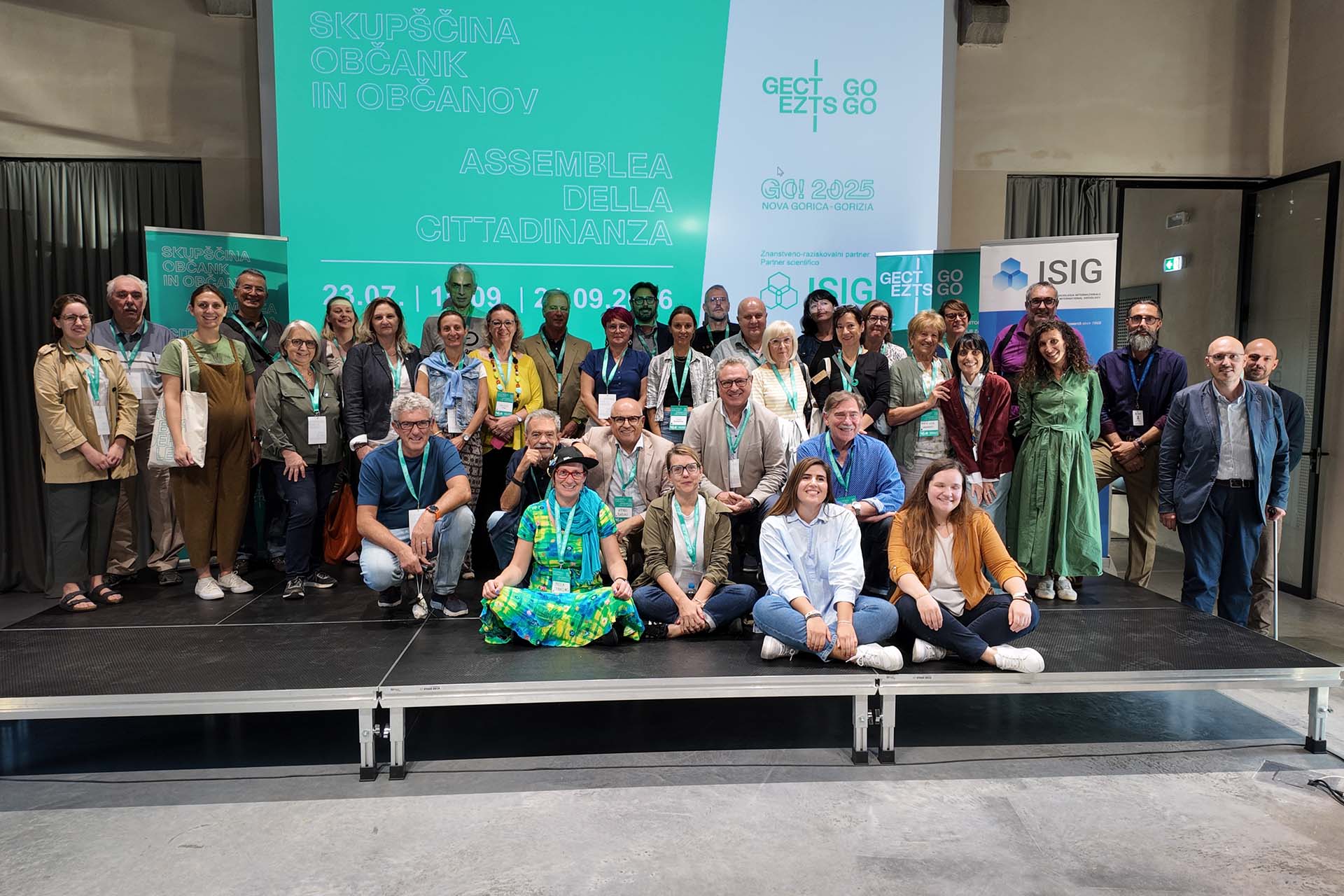
On September 21, 2026, at the EPICenter in Nova Gorica, the program came to a close.GO! Citizens’ Assembly 2025, called upon to help assess the legacy of the European Capital of Culture from the perspective of people living in the cross-border region.
An assembly of 60 citizens, three working sessions, and a process that took place between July and September: building on individual experiences, the discussions made it possible to identify shared priorities, explore them in depth using data and evidence, and, finally, translate them into recommendations for the future.
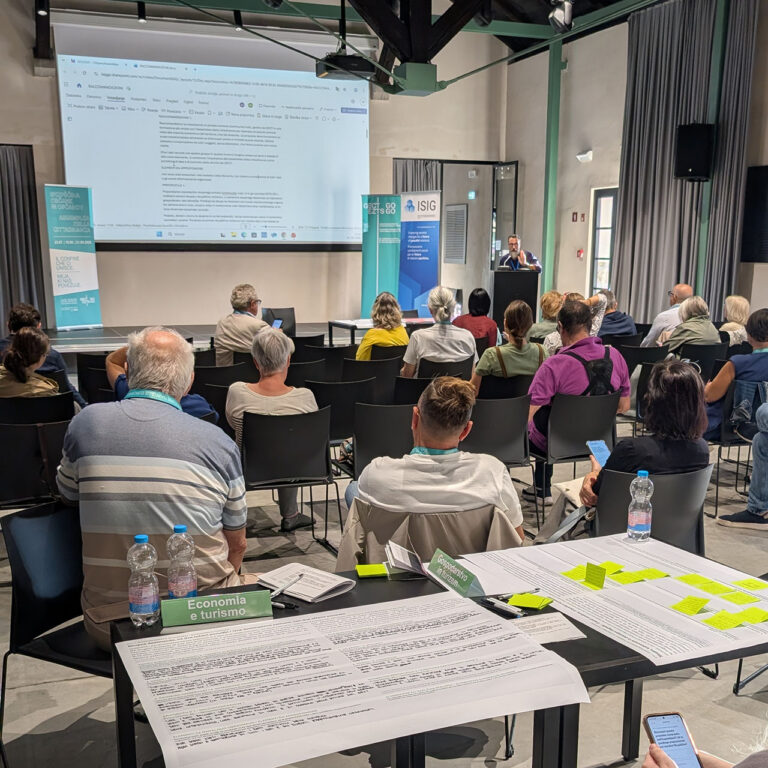
The closing meeting on September 21 brought to a close the work that began on July 23 in Nova Gorica and continued on September 10 in Gorizia, with a final day dedicated to the development and joint evaluation of the proposals drafted by the Assembly.
From Experiences to Proposals
The route was constructed in three successive stages.
At the first meeting, participants shared their experiences and perspectives on GO! 2025, highlighting key issues, challenges, and priorities related to the economy and tourism, civil society and communities, culture and creativity, and cross-border cooperation.
The work carried out between the first and second meetings made it possible to organize the findings and identify the issues on which to focus further analysis. On September 10, these were compared with data, evidence, and expert input and discussed again by the participants, with particular attention paid to the cross-border dimension.
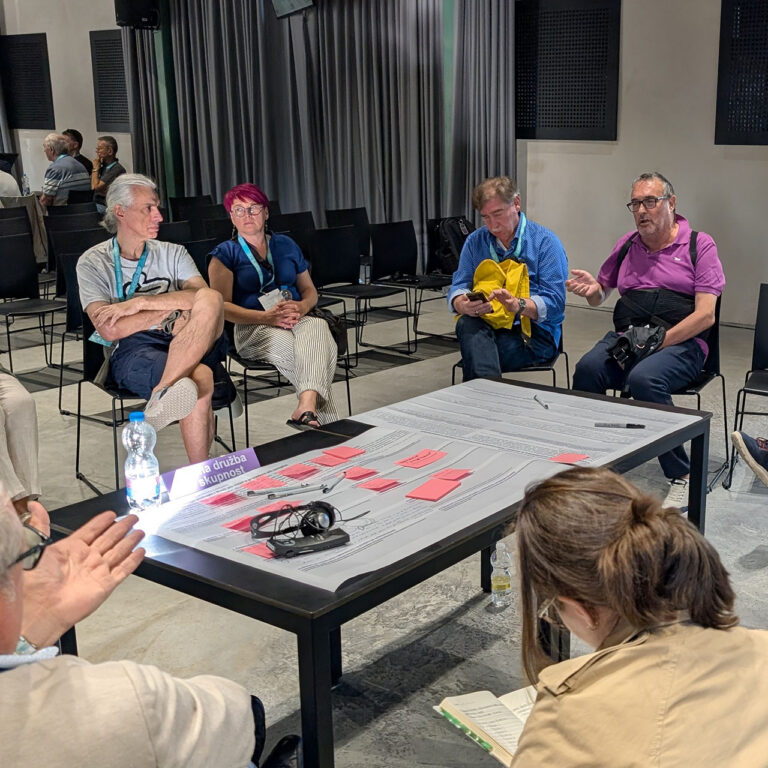
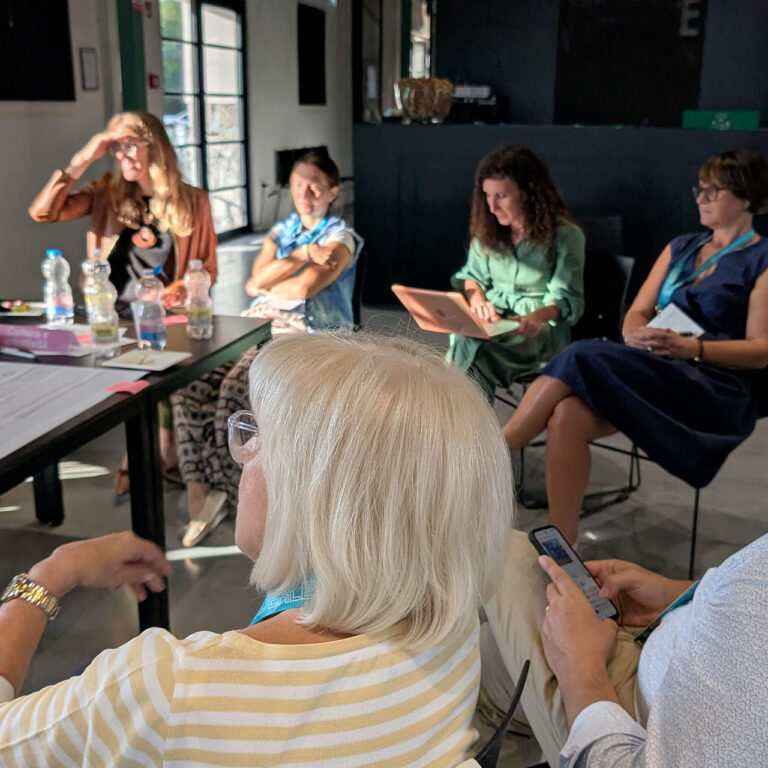
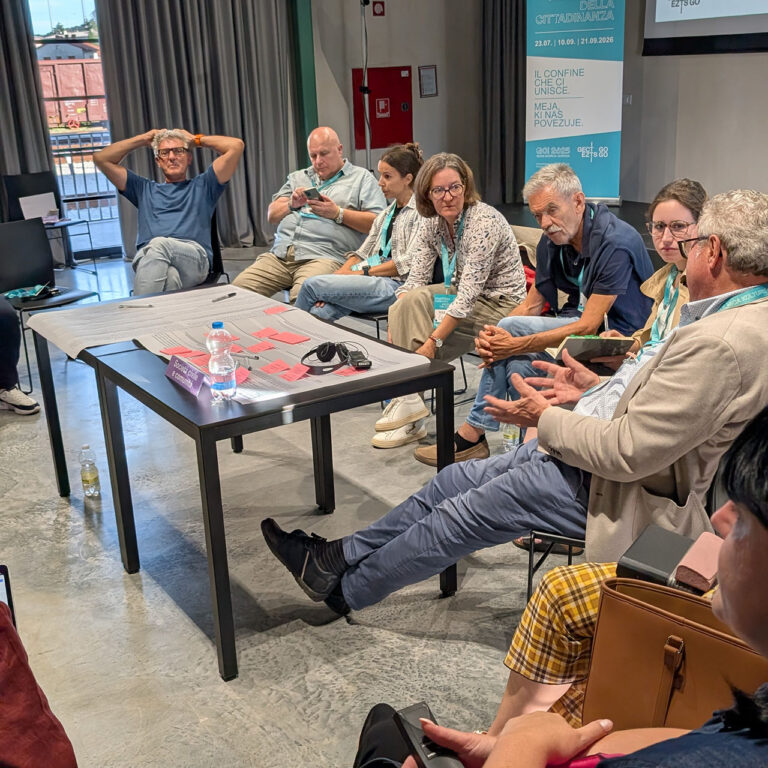
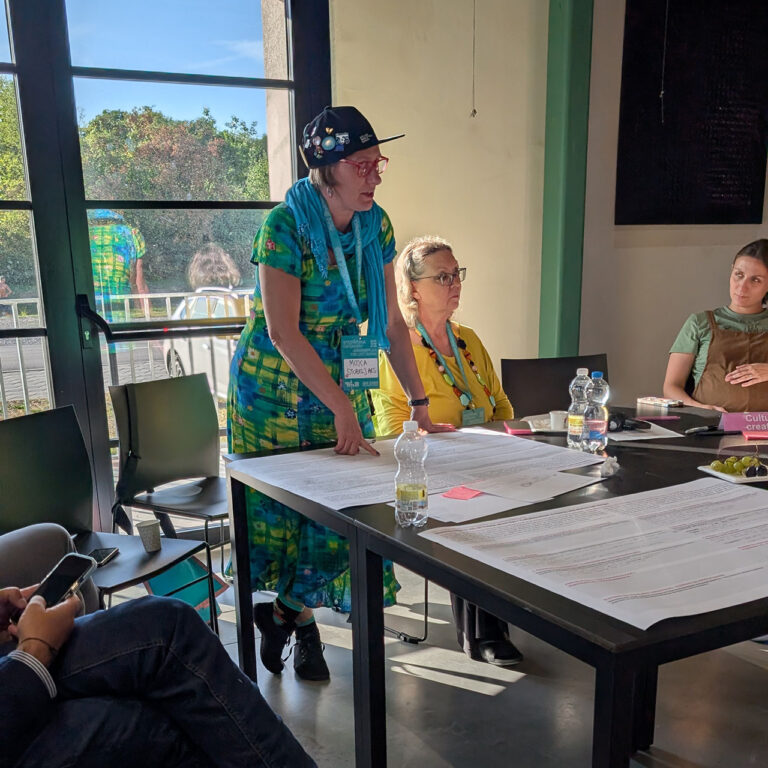
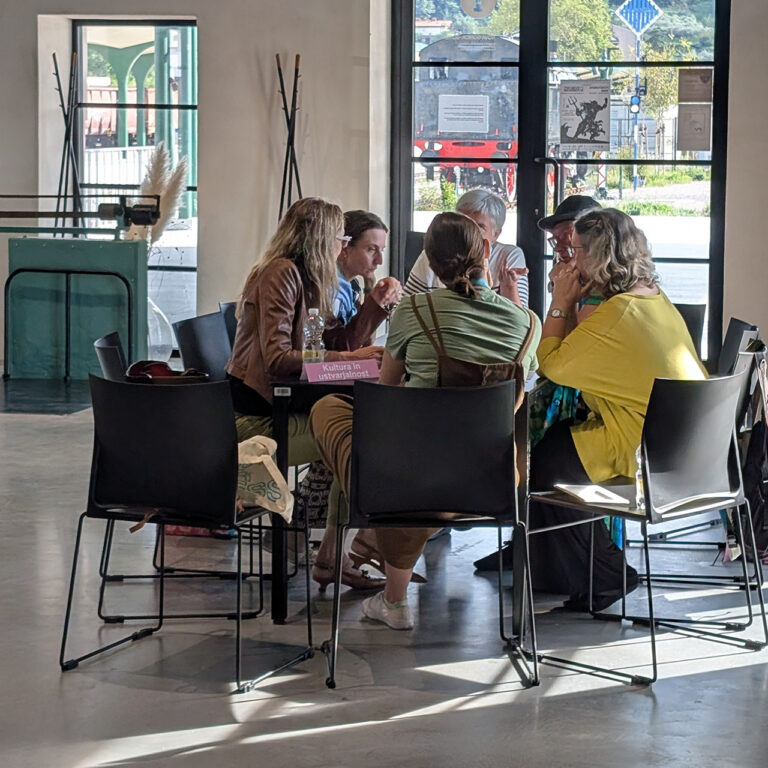
The third meeting focused on the transition from analysis to proposals. Through work in groups and subgroups, the participants discussed the changes they hoped to see in the area, possible actions, and the stakeholders to be involved, ultimately formulating seven recommendations.
The recommendations will now undergo further analysis and systematization and will be presented and discussed in greater detail as part of the comprehensive report on the Assembly’s findings.
An experience worth repeating
The conclusion of the program also provided an opportunity to gather feedback on the experience from those involved.
The feedback reflects widespread appreciation for the opportunity to express one’s own point of view, engage with other perspectives, and explore the topics covered in greater depth, as well as for the cross-border dimension of the program. The working methods and organization also received positive evaluations, with particular appreciation for the support provided by the facilitators.
One statistic in particular sums up the experience: about 97% of respondents expressed a positive view regarding the possibility of participating in a similar program again. This is a significant indication of how participation—when it offers structured opportunities for listening and discussion—can in turn foster a willingness to take part in new opportunities for engagement.
From the Assembly to the Final Report
The meeting on September 21 marks the conclusion of the Assembly’s deliberative phase, while the work of analyzing and organizing the results continues.
ISIG will include in the final report an overview of the process carried out during the three meetings, the evidence used, the assessments provided by citizens, and the recommendations developed by the Assembly.
This contribution will thus become part of the broader effort to monitor and evaluate the impacts and legacy of GO! 2025, incorporating the perspectives of the people who live in the cross-border region.
The overall results of the process will subsequently be presented and discussed in public, providing an opportunity to present the recommendations in their proper context and continue the dialogue on the future of the cross-border area.