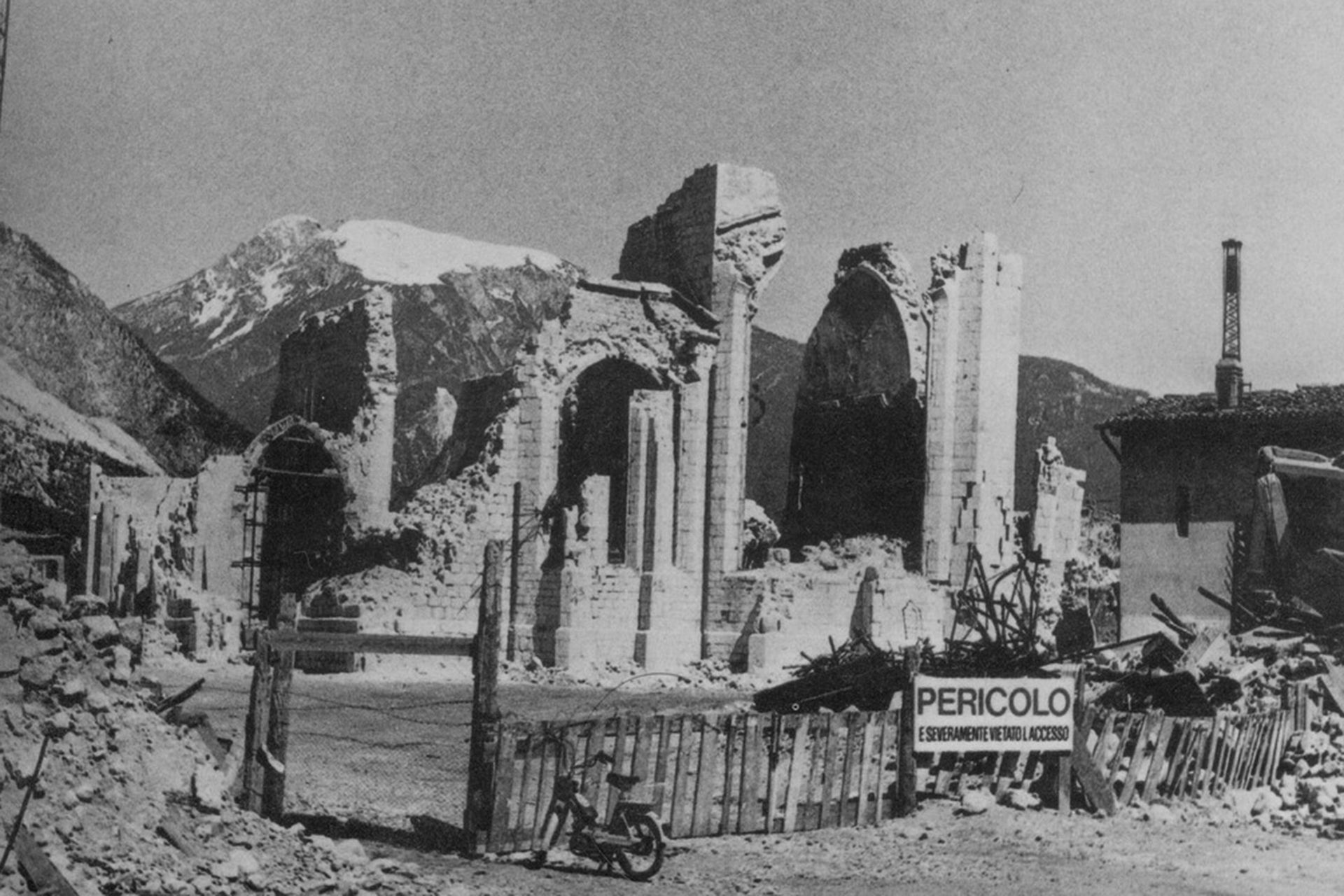
As Ferruccio De Bortoli well writes in the Corriere della Sera on Monday, May 4, we should “devote a few minutes, not ritual, to the 50th anniversary of the Friuli earthquake. In this case memory is precious…..”
De Bortoli lists many of the elements that should be “remembered”: community spirit, civic sense, pride of belonging, public-private collaboration, the role and commitment of such an exceptional person as Commissioner Zamberletti, the birth of the civil protection system…
At 𝗜𝗦𝗜𝗦𝗜𝗚, but in the social research environment in general, there is an additional element to be remembered.
As early as May 7, ISIG researchers began to apply 𝗽𝗿𝗼𝘀𝗽𝗲𝘁𝘁𝗶𝘃𝗮 and the 𝘁𝗲𝗼𝗿𝗶𝗲 𝘀𝗼𝗰𝗶𝗼𝗹𝗼𝗴𝗶𝗰𝗵𝗲 to observing and analyzing the social phenomena taking place practically before their eyes, in which they were also directly involved, both as citizens and residents, as volunteers among the displaced, and as sociologists in field research. The “𝘀𝗼𝗰𝗶𝗼𝗹𝗼𝗴𝗶𝗮 𝗱𝗲𝗶 𝗱𝗶𝘀𝗮𝘀𝘁𝗿𝗶”, already present in the disciplinary field especially in the United States, was an absolute novelty in Italy and was – almost scaramantically – ignored in academic circles.
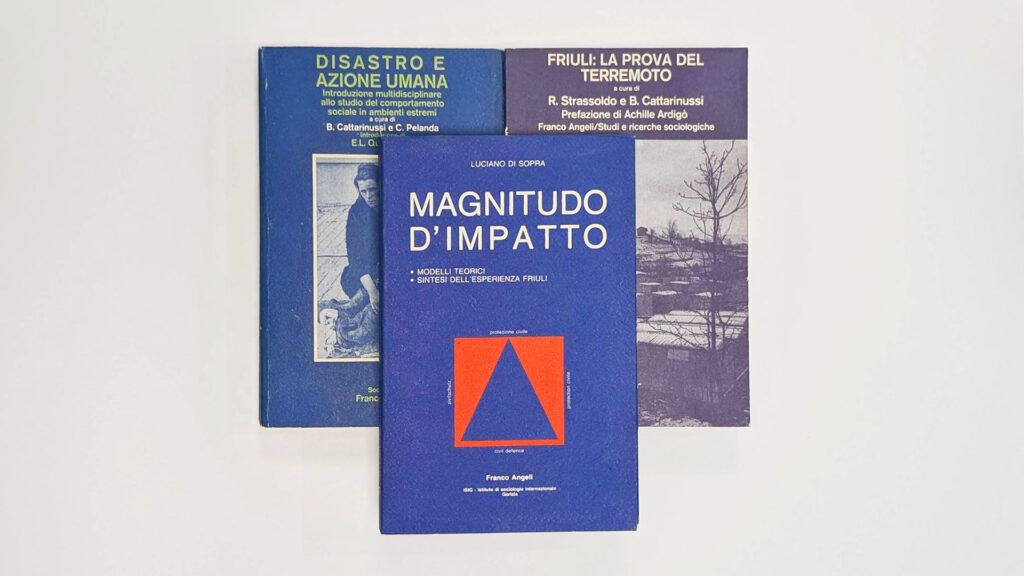
The 𝗶𝗺𝗽𝗲𝗴𝗻𝗼 𝗱𝗲𝗶 𝗿𝗶𝗰𝗲𝗿𝗰𝗮𝘁𝗼𝗿𝗶 𝗜𝗦𝗜𝗚 𝘀𝗶 𝗳𝗼𝗰𝗮𝗹𝗶𝘇𝘇𝗼̀ 𝘀𝘂 𝗾𝘂𝗲𝗹 𝘁𝗲𝗺𝗮 and numerous articles were published in the following decade, essays, and volumes, at least four of which should be remembered as foundational elements of the specialization that would later be called “𝘀𝗼𝗰𝗶𝗼𝗹𝗼𝗴𝗶𝗮 𝗱𝗲𝗹𝗹𝗲 𝗲𝗺𝗲𝗿𝗴𝗲𝗻𝘇𝗲 𝗱𝗶 𝗺𝗮𝘀𝘀𝗮.” “𝘍𝘳𝘪𝘶𝘭𝘪. 𝘓𝘢 𝘱𝘳𝘰𝘷𝘢 𝘥𝘦𝘭 𝘵𝘦𝘳𝘳𝘦𝘮𝘰𝘵𝘰” in 1978, “𝘋𝘪𝘴𝘢𝘴𝘵𝘳𝘰 𝘦 𝘢𝘻𝘪𝘰𝘯𝘦 𝘶𝘮𝘢𝘯𝘢” in 1981, “𝘚𝘰𝘤𝘪𝘰𝘭𝘰𝘨𝘺 𝘰𝘧 𝘥𝘪𝘴𝘢𝘴𝘵𝘦𝘳𝘴” and “𝘔𝘢𝘨𝘯𝘪𝘵𝘶𝘥𝘰 𝘥’𝘪𝘮𝘱𝘢𝘵𝘵𝘰” in 1987: already in the second and third, the perspectives of inquiry were broadened to consider an articulated range of disaster events, yet without forgetting what had been the initial stimulus.
After ten years, the 𝗮𝗽𝗽𝗿𝗼𝗰𝗰𝗶𝗼 𝗺𝗲𝘁𝗼𝗱𝗼𝗹𝗼𝗴𝗶𝗰𝗼 to the topic could be considered sufficiently consolidated, to the point where, at an Italian-American Seminar held in 1986 in the United States, he was able to compare himself successfully with American colleagues who had been working in the field for the longest time.
In the following years, this strand of research interests has been further broadened and articulated, partly in light of the 𝗮𝗻𝗱𝗮𝘃𝗮𝗻𝗼 𝗰𝗼𝗻𝗰𝗿𝗲𝘁𝗶𝘇𝘇𝗮𝗻𝗱𝗼 trend lines, in Italy and outside the country, regarding disaster prevention, emergency preparedness, and the organization of relief and aid efforts.
The 𝗖𝗼𝗺𝘂𝗻𝗶𝘁𝗮̀ 𝗘𝘂𝗿𝗼𝗽𝗲𝗮, in its research funding programs, has also progressively focused on prevention, preparedness and organization to cope with emergencies and has allocated resources to fund study and research programs in these areas.
ISIG’s interest in this strand of studies has thus been able to 𝘀𝘃𝗶𝗹𝘂𝗽𝗽𝗮𝗿𝘀𝗶 𝗮𝗻𝗰𝗵𝗲 𝗮 𝗹𝗶𝘃𝗲𝗹𝗹𝗼 𝗶𝗻𝘁𝗲𝗿𝗻𝗮𝘇𝗶𝗼𝗻𝗮𝗹𝗲, in research projects in which he has been and still is involved in multinational interdisciplinary teams.
One of ISIG’s research areas is precisely “𝗥𝗲𝘀𝗶𝗹𝗶𝗲𝗻𝘇𝗮, 𝗴𝗲𝘀𝘁𝗶𝗼𝗻𝗲 𝗲 𝗿𝗶𝗱𝘂𝘇𝗶𝗼𝗻𝗲 𝗱𝗲𝗹 𝗿𝗶𝘀𝗰𝗵𝗶𝗼 𝗱𝗶 𝗱𝗶𝘀𝗮𝘀𝘁𝗿𝗶.” For years, the Institute has worked in collaboration with European partners to extend its wealth of scientific and operational expertise to other national contexts, helping to build increasingly resilient, better prepared, and more effective emergency response teams and communities.
Below are some examples of projects developed in this area:
IN4SAFETY: https://isig.it/progetto-in4safety/