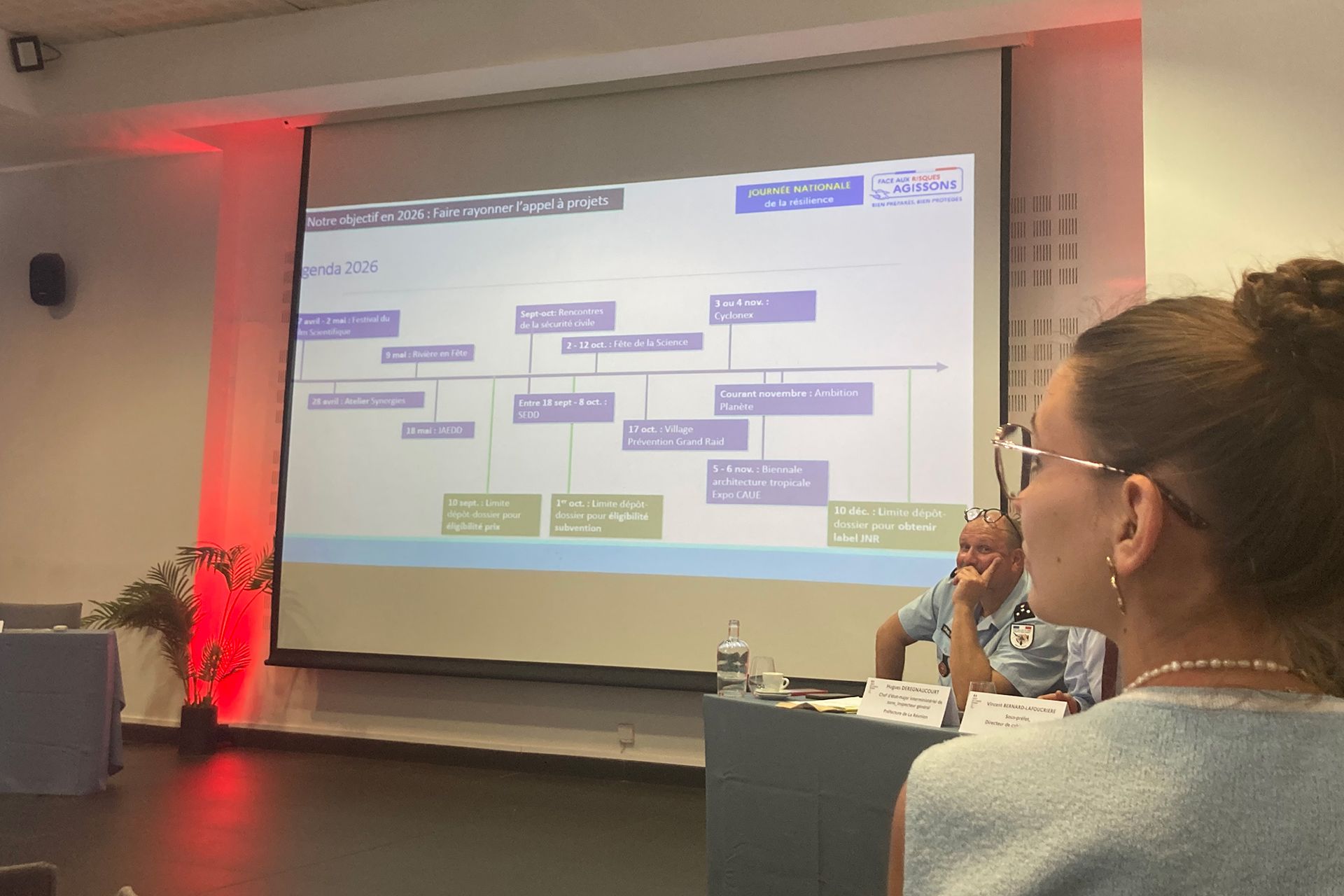
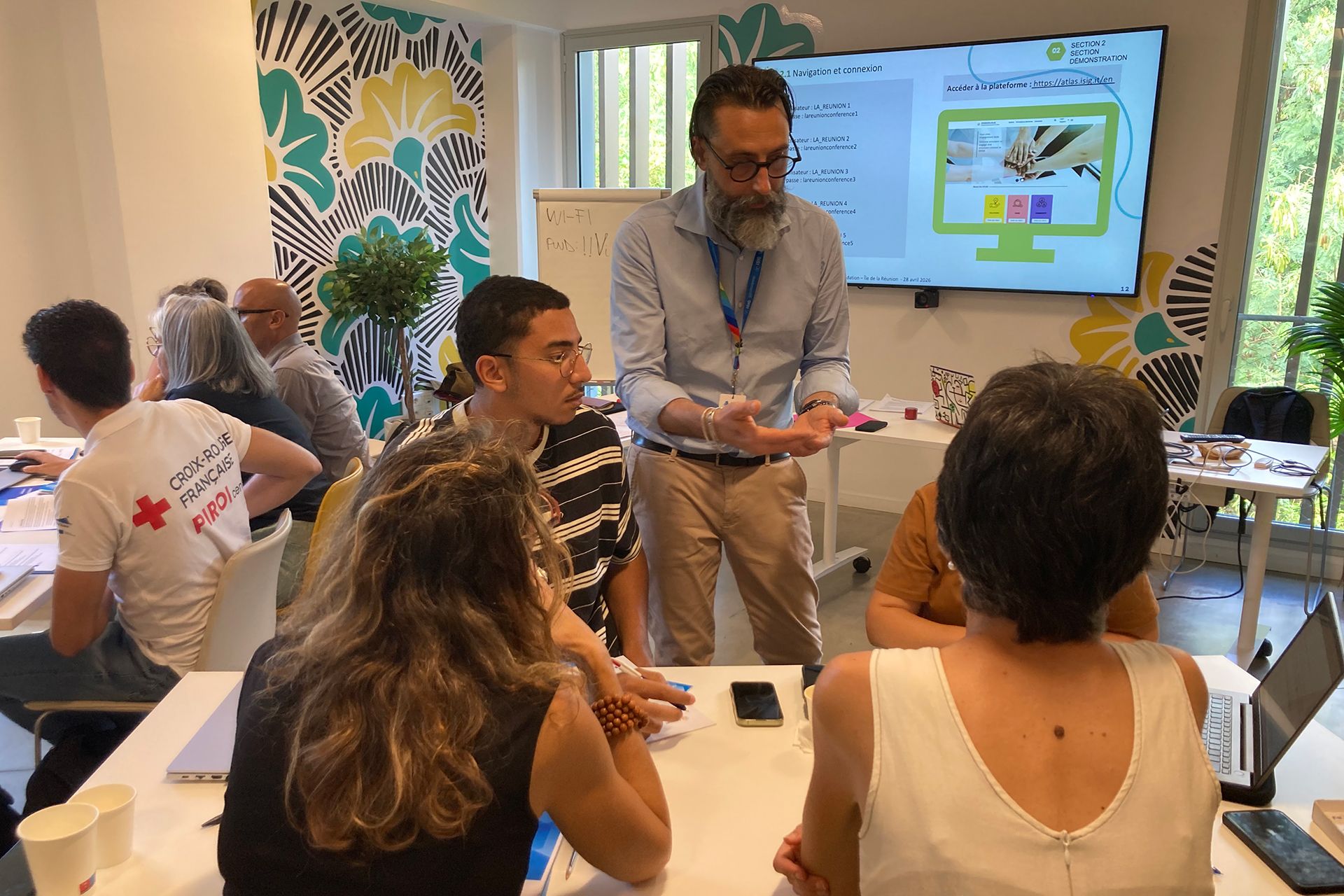
From Europe to the Indian Ocean, the issue of territorial resilience remains one of the main challenges shared by local communities. It was in this context that the Synergies project mission took place on the island of La Réunion—four days of meetings, operational discussions, and collaboration with administrators, practitioners, and stakeholders involved in risk and emergency management.
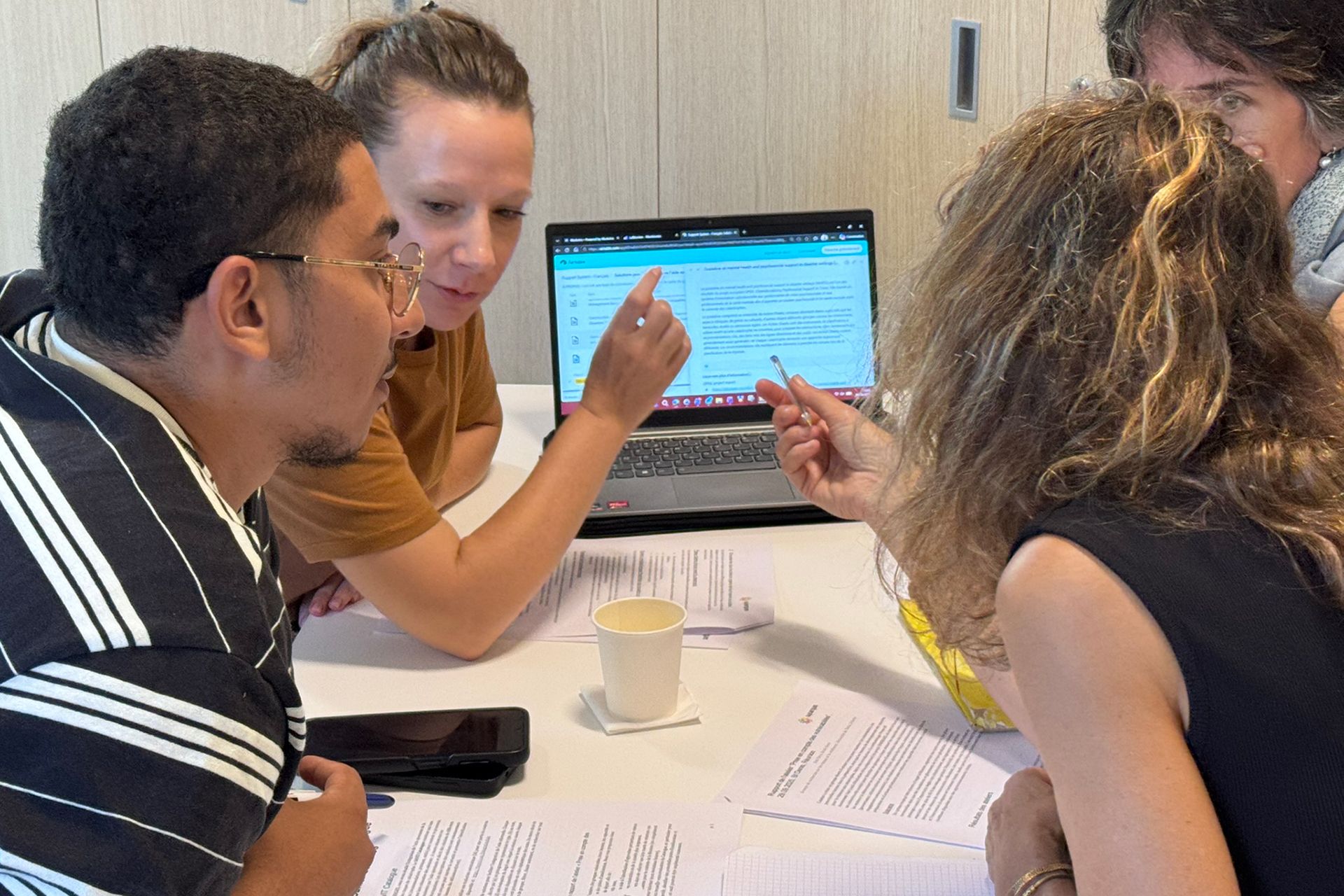
The focus of the activities was the presentation of the ATLAS digital platform, developed as a shared space for dialogue, analysis, and decision support for disaster risk management at the local level. The tool aims to facilitate cooperation between agencies and communities by offering an integrated approach to risk management and the planning of preparedness activities.
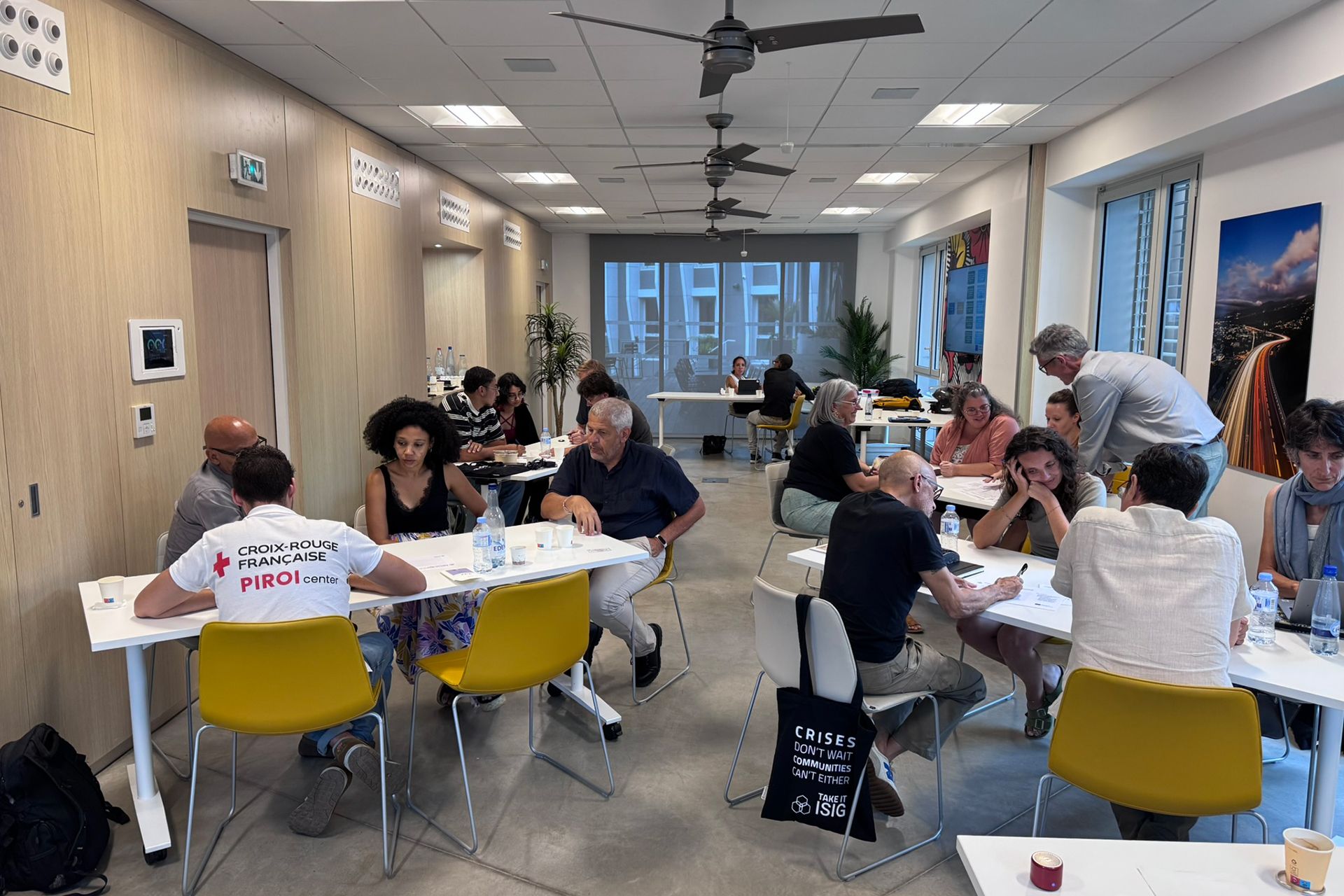
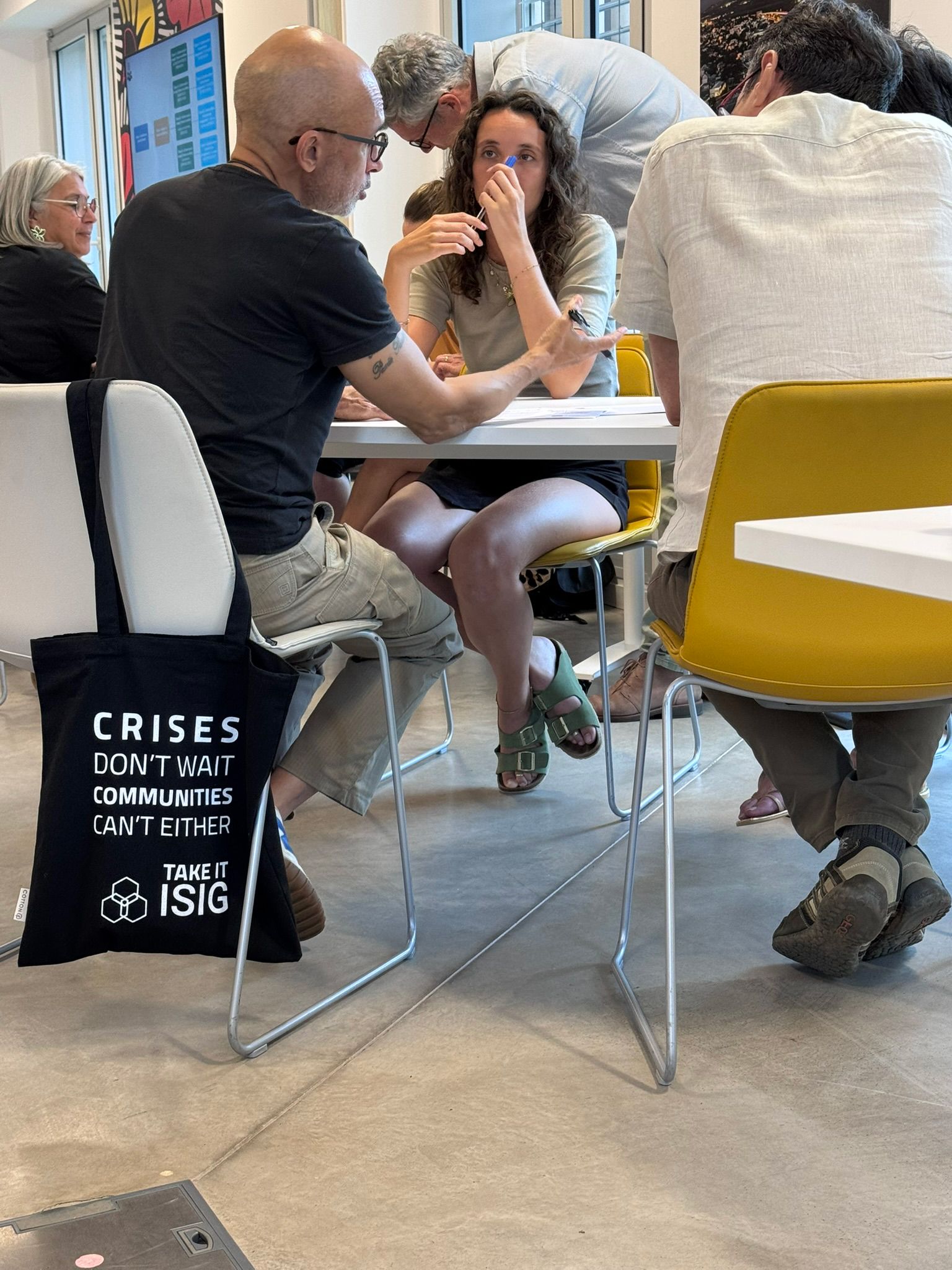
The workshop day, which brought together institutional representatives and local stakeholders, was particularly significant. The meeting facilitated a substantive exchange of experiences and expertise, highlighting how geographically distant regions share common challenges related to governance, urban resilience, and the involvement of local governments in decision-making processes.
During the event, Rebus was also presented—a tool dedicated to analyzing territorial resilience, designed to help agencies and organizations assess vulnerabilities and develop more effective strategies for disaster prevention and response.
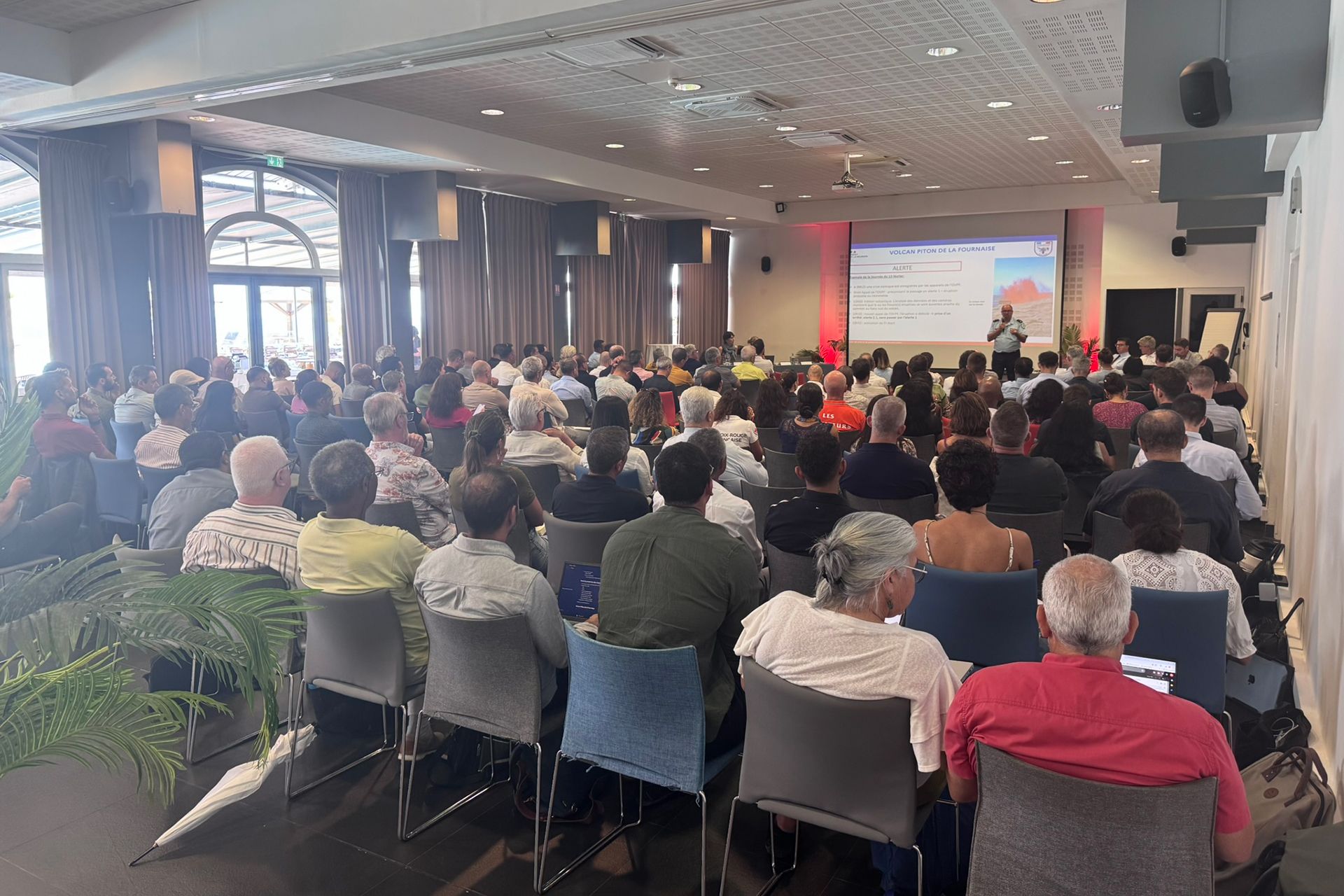
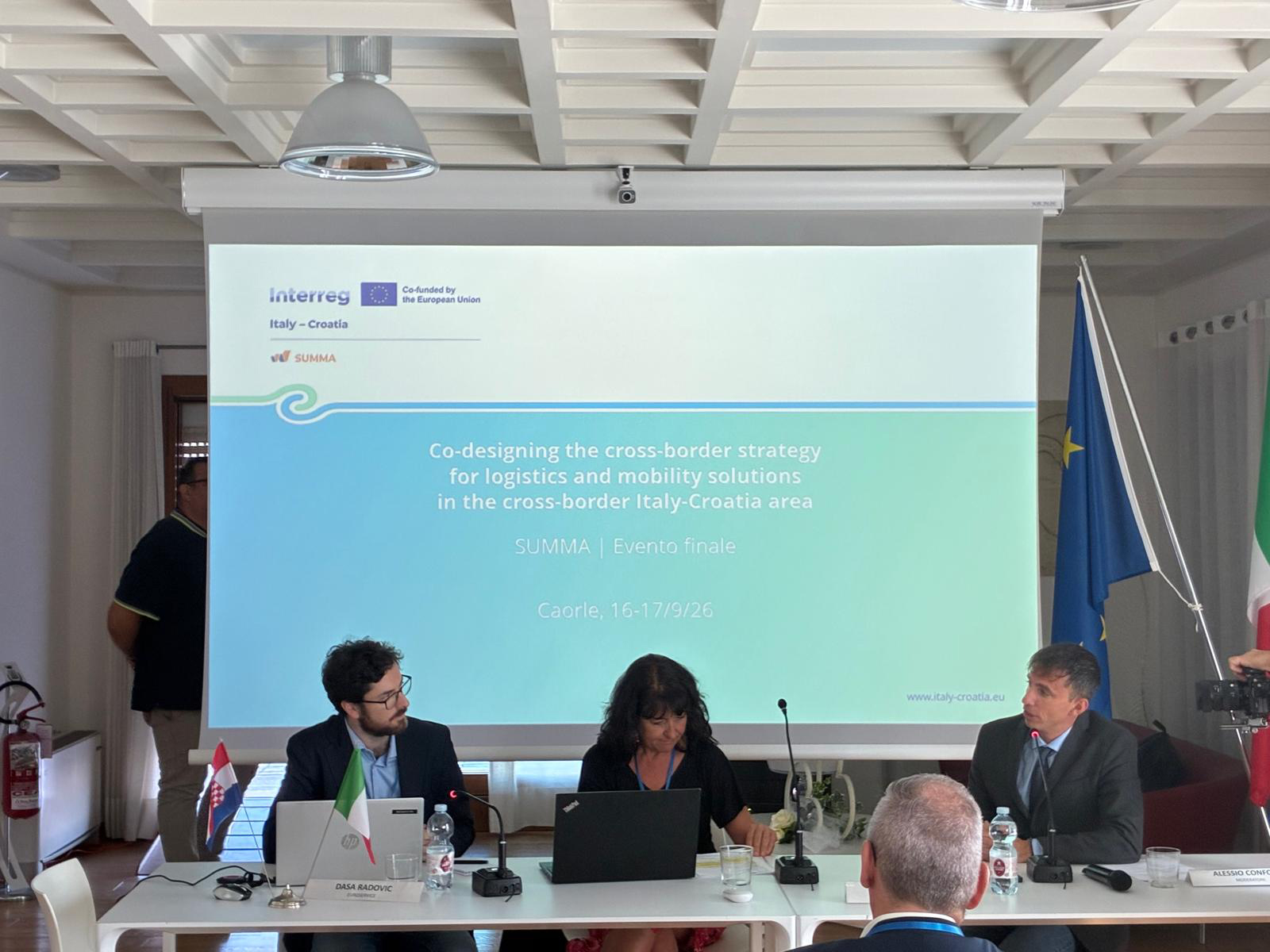
Together with SINTEF, the project partners presented their findings to an international audience of disaster risk management professionals, encouraging stakeholders to use the tools developed and to help improve them through feedback and field testing.
For ISIG, this experience represents a strategic step forward in international cooperation on the issue of territorial resilience. The mission confirmed the importance of working directly with mayors, city council members, first responders, and civil protection personnel to build increasingly effective preparedness systems that are adaptable to local contexts and truly attuned to the needs of communities.